Download a PDF of This Page
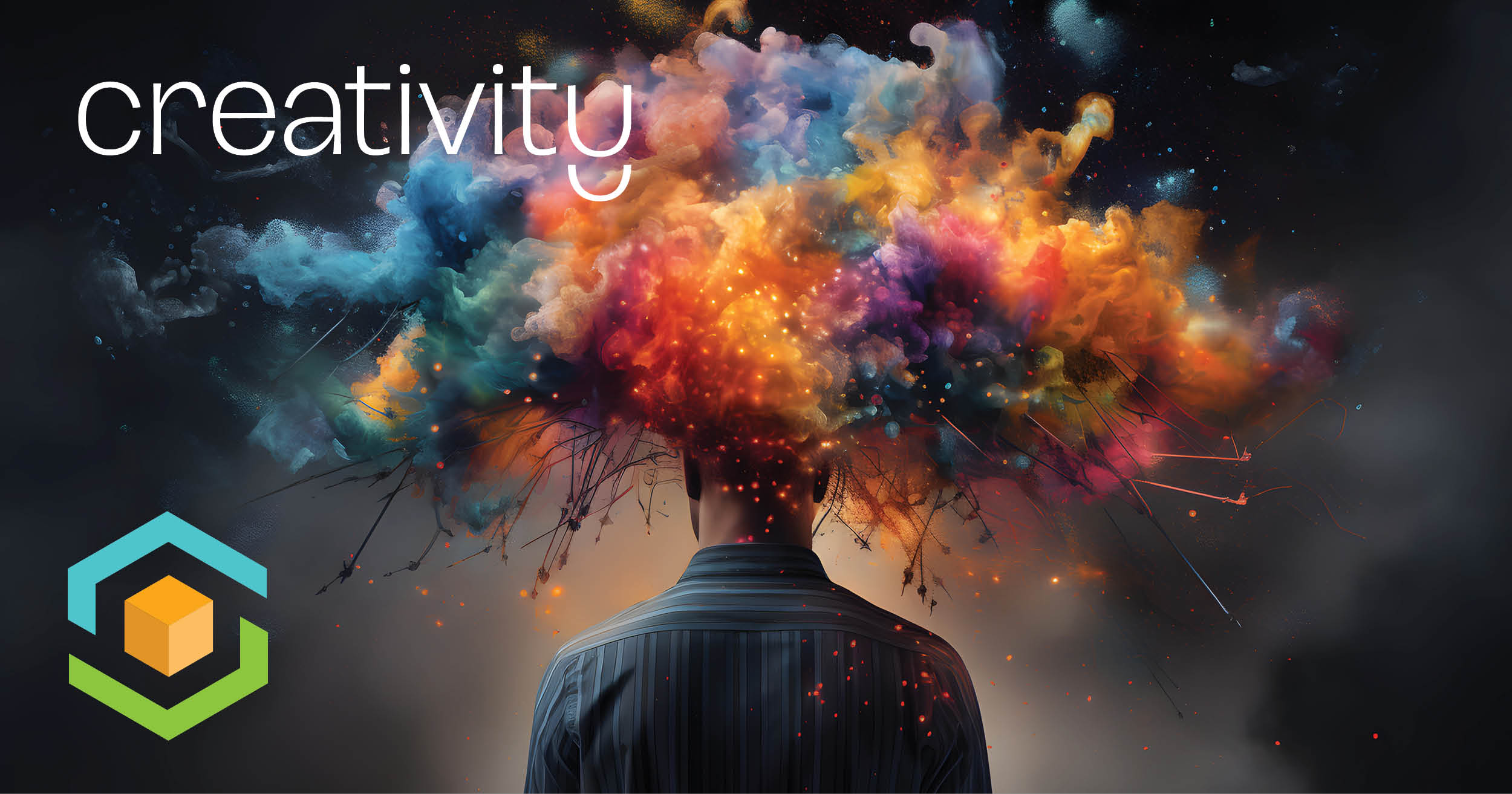
Creativity is the lifeblood of graphic design, allowing designers to develop unique solutions and stand out in a crowded marketplace. Graphic designers experiment with different styles, techniques, and mediums, blending artistic flair with technical expertise. They possess the ability to see patterns where others see chaos, and to find inspiration in everyday objects or abstract ideas. This creative spark enables them to produce visually striking and impactful work that leaves a lasting impression.



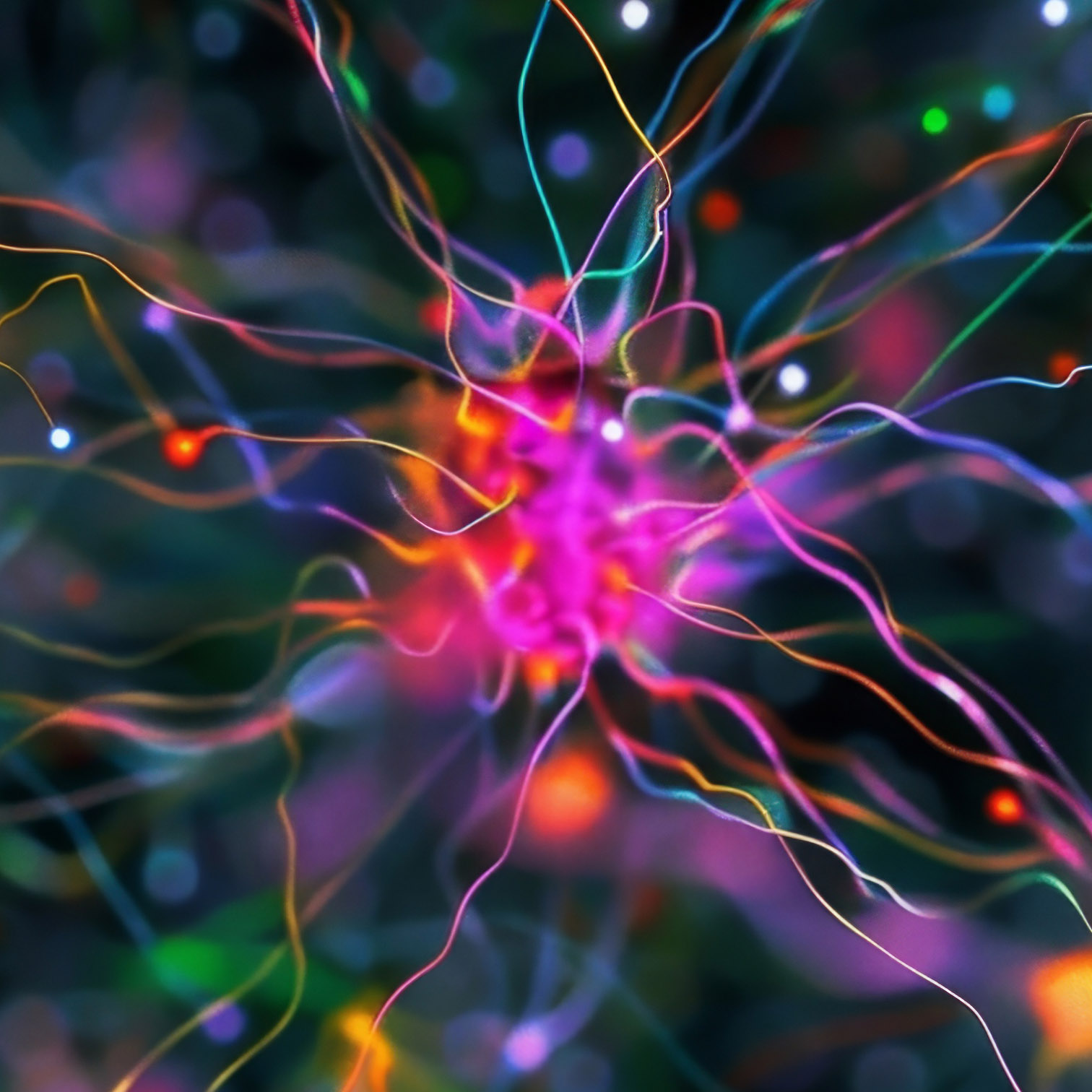 Deep within our brain, nestled by the thalamus and beneath the cortex, lies the limbic system. This network of structures isn’t just about feeling happy or sad; it also fuels our imagination and motivation. Two key players here are the hippocampus and the amygdala. The hippocampus, a memory maestro, retrieves and stores experiences. The amygdala, an emotional interpreter, processes those memories. Together, they spark a creative alchemy, transforming raw emotions and past experiences into fresh ideas.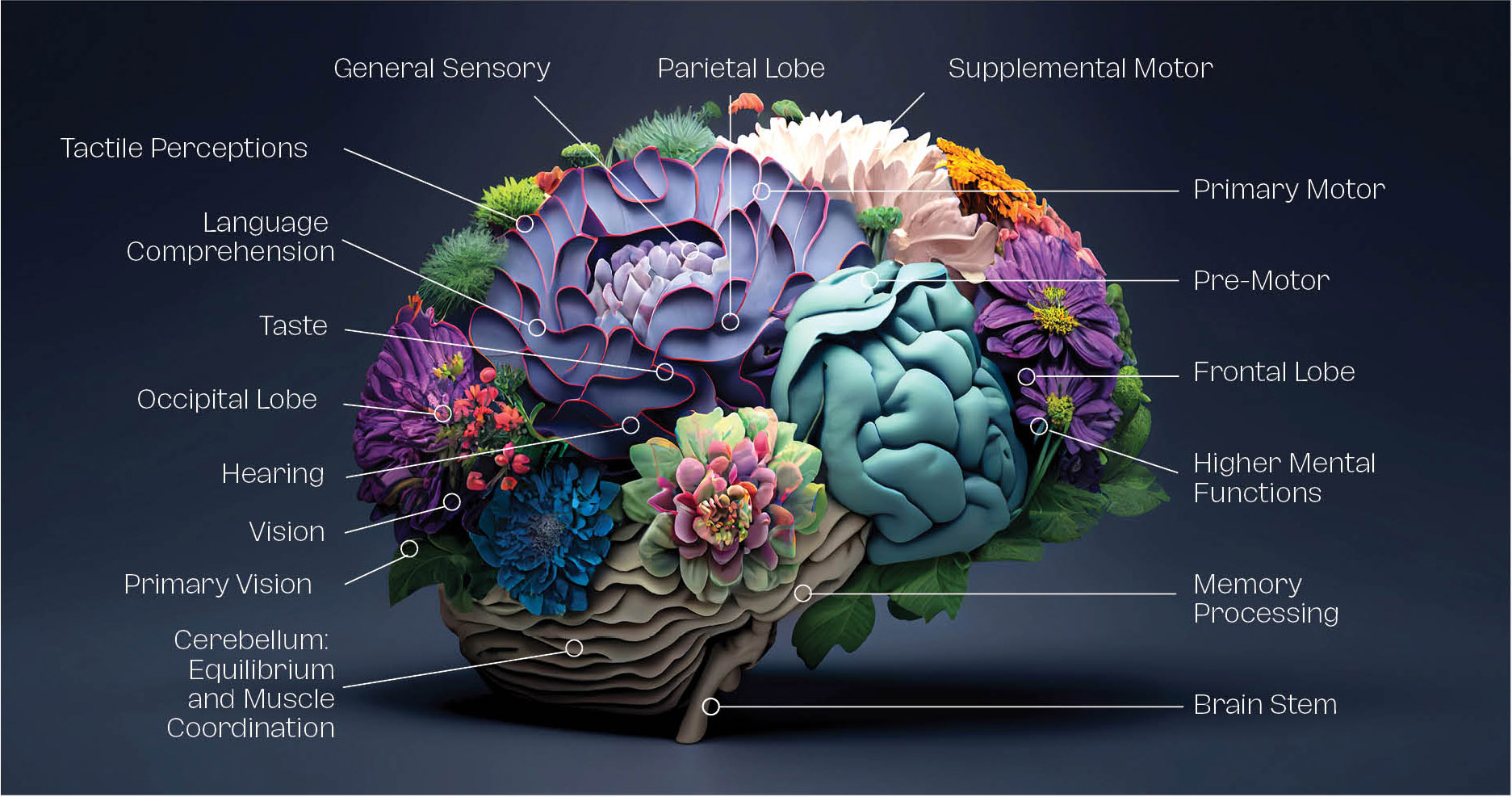
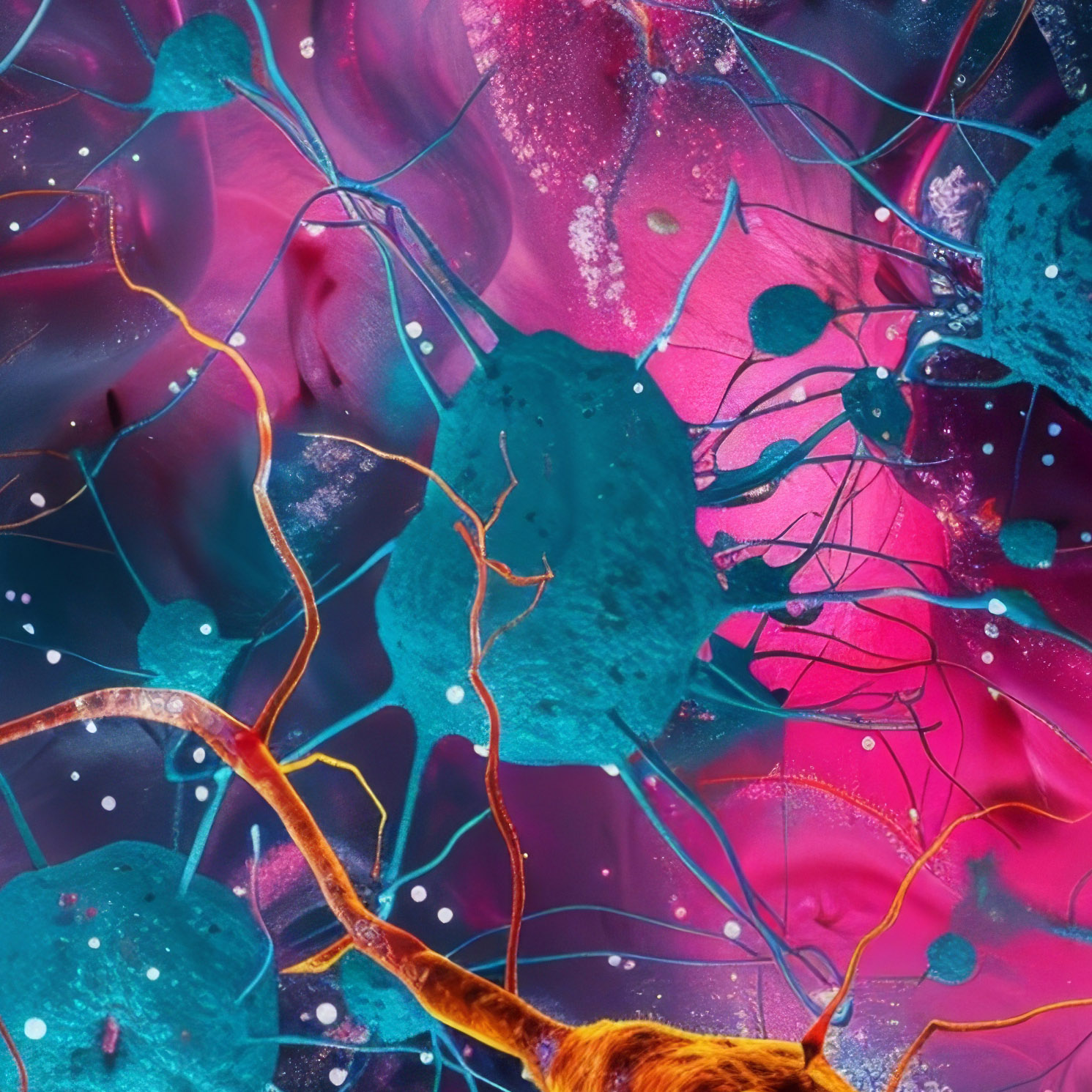 Vibrantly colored image showcasing the intricate network of glial cells in the brain highlighting their important supportive role.
Creativity and imagination aren’t sparked in a single region of the brain. Instead, a network of areas works together to generate new ideas and dream up possibilities. The limbic system, with its hippocampus for memory retrieval and amygdala for processing emotions, plays a crucial role. These emotional connections fuel the creative process. Additionally, the prefrontal cortex, responsible for higher-level thinking, steps in to refine those ideas and make decisions.
Our five senses provide the raw materials for this creative process. The visual cortex interprets what we see, the auditory cortex what we hear, and so on. But these sensory areas don’t work in isolation. They connect to other parts of the brain, allowing us to experience the world in a rich tapestry. A whiff of a familiar scent can trigger a vivid memory, while a beautiful melody might spark an artistic vision.
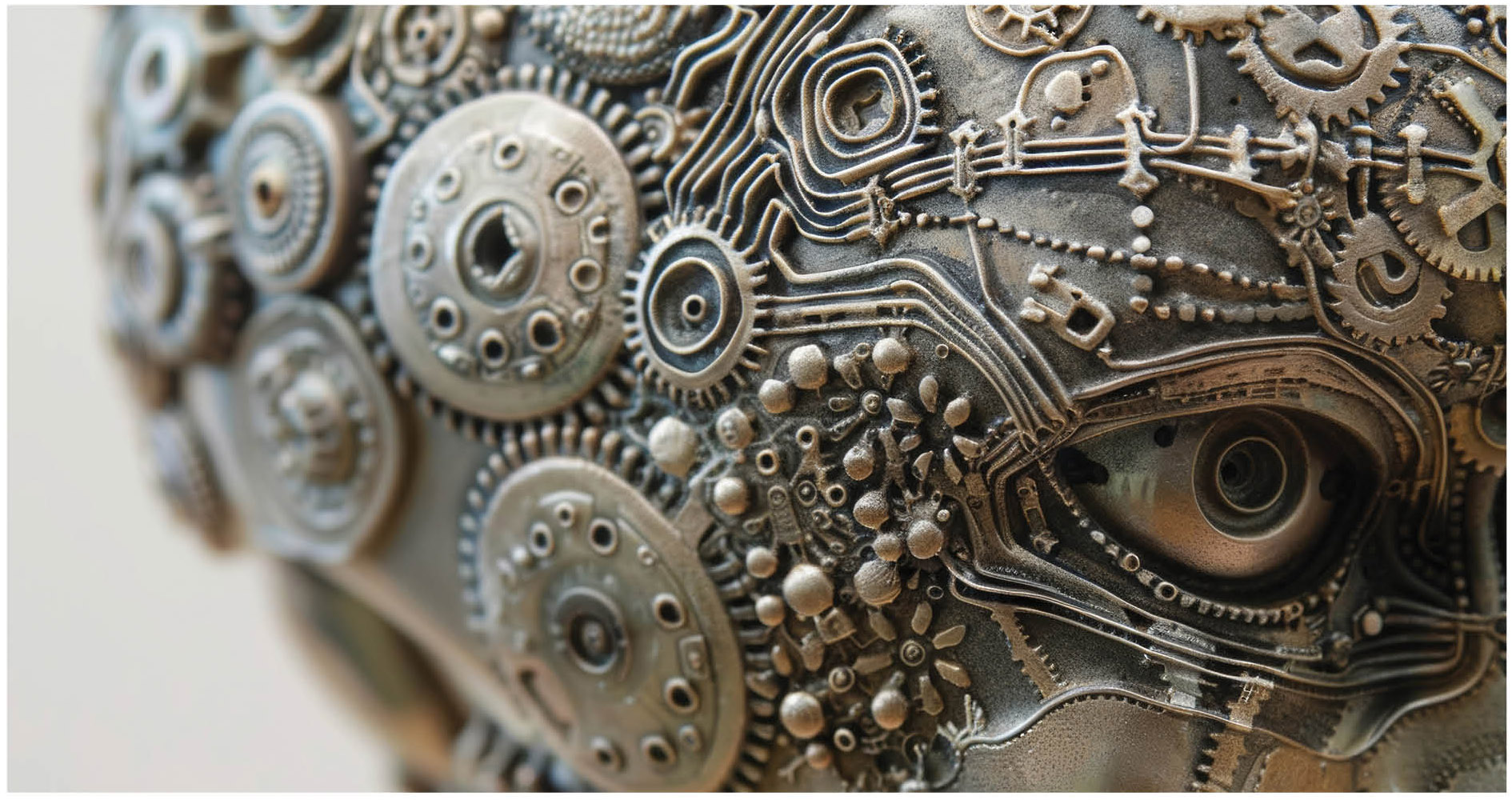
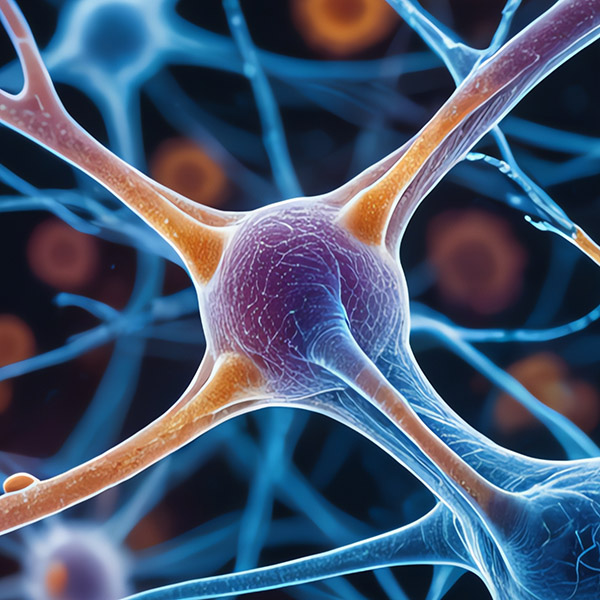 Vibrantly colored image showcasing the intricate network of glial cells in the brain highlighting their important supportive role.
Creativity and imagination aren’t sparked in a single region of the brain. Instead, a network of areas works together to generate new ideas and dream up possibilities. The limbic system, with its hippocampus for memory retrieval and amygdala for processing emotions, plays a crucial role. These emotional connections fuel the creative process. Additionally, the prefrontal cortex, responsible for higher-level thinking, steps in to refine those ideas and make decisions.
Our five senses provide the raw materials for this creative process. The visual cortex interprets what we see, the auditory cortex what we hear, and so on. But these sensory areas don’t work in isolation. They connect to other parts of the brain, allowing us to experience the world in a rich tapestry. A whiff of a familiar scent can trigger a vivid memory, while a beautiful melody might spark an artistic vision.
Download a PDF of This Page