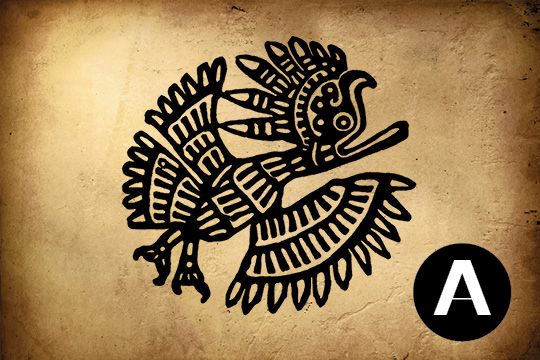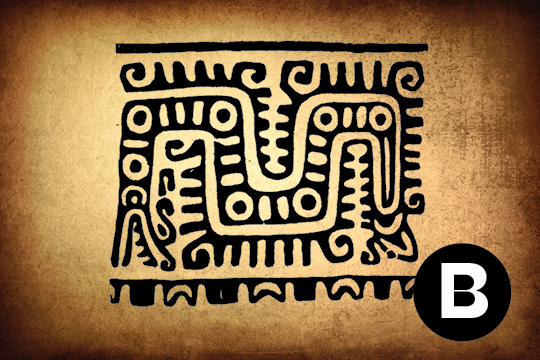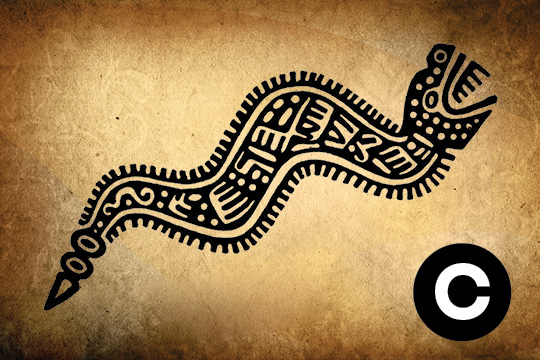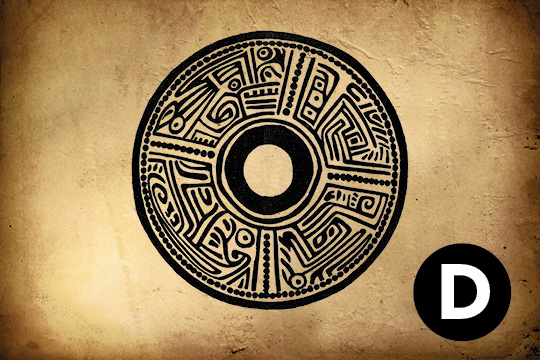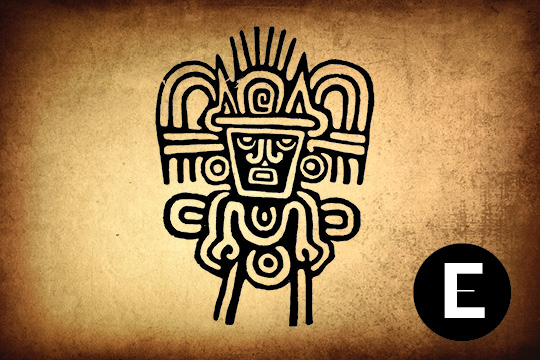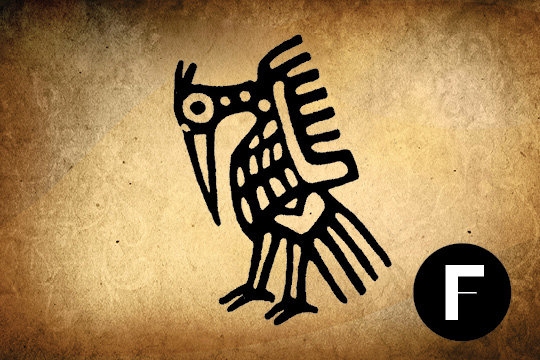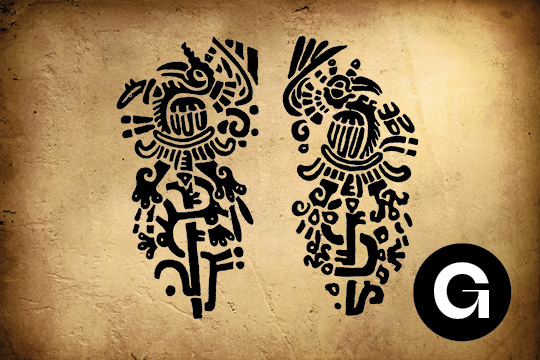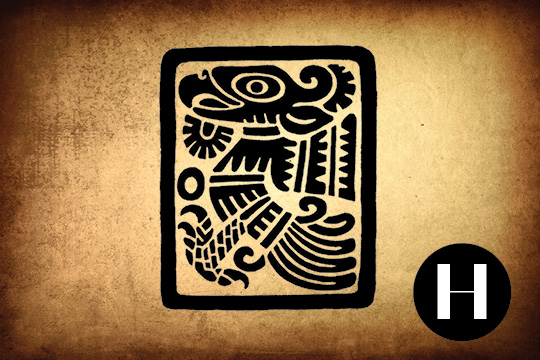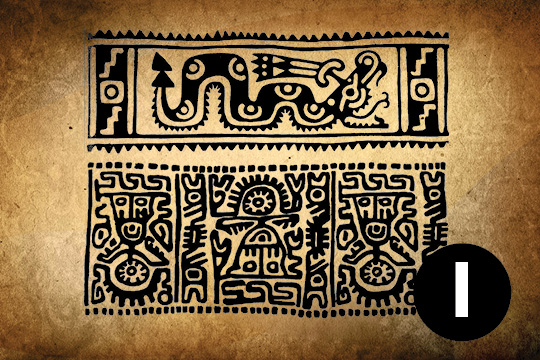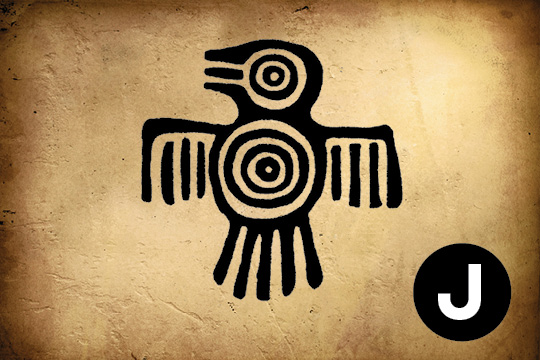
 For years, I have been fascinated by these early images from ancient Mexico thanks to several “clip art” books that I’ve owned for decades. The primary one used here is “Design Motifs of Ancient Mexico” by Jorge Enciso. The artwork is primitive and, at the same time, very modern. It certainly has strong elements of graphic design. While I want to share this artwork, I assembled these pages for my own enjoyment. The author and editor, Jorge Enciso, has fastidiously documented each item and where it was found and at the end of page, I’ve included this information for each image. There’s a gallery of thumbnails below that will take you to the various pages in this series.
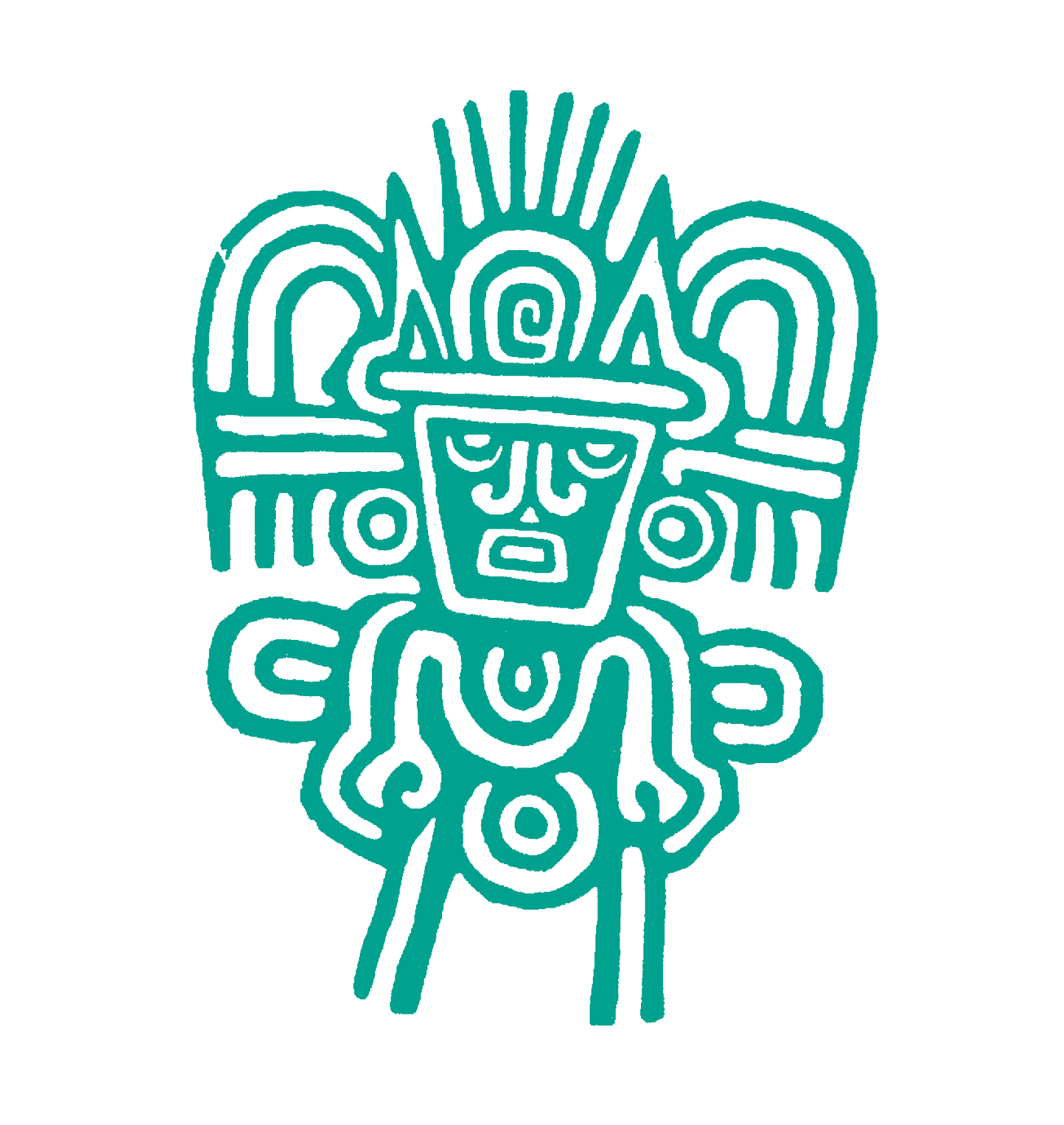

Above left: Flat stamp depicting fantastic human figure from Chalco, Mexico
Above right: Serpent flat stamp from Mexico City
“Archaeology is the peeping Tom of the sciences. It is the sandbox of men who care not where they are going; they merely want to know where everyone else has been.”Jim Bishop
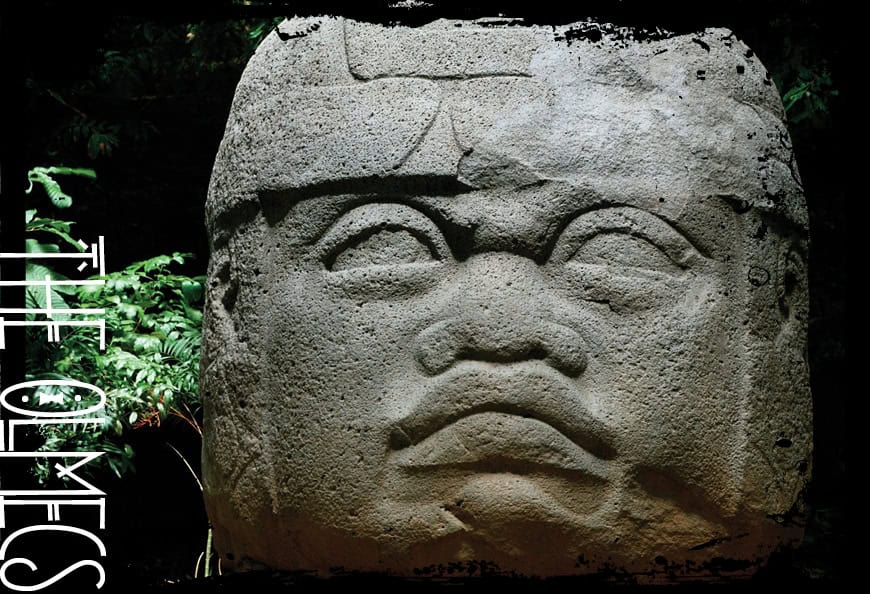
 The Olmec civilization, widely recognized as Mesoamerica’s “mother culture,” flourished along the swampy tropical lowlands of south-central Mexico—primarily in present-day Veracruz and Tabasco—from roughly 1200 BCE to 400 BCE. Renowned for their groundbreaking urban planning, monumental architecture, and sophisticated trade networks, the Olmecs established major ceremonial centers such as San Lorenzo and La Venta. They are most famous for sculpting colossal stone heads carved from massive basalt boulders, depicting regal, stylized portraits of their rulers. Beyond their monumental art, the Olmecs laid the foundational cultural, artistic, and religious blueprints for later Mesoamerican societies like the Maya and Aztecs, pioneering complex ritual practices, the sacred ballgame, early writing systems, and precise calendar keeping.
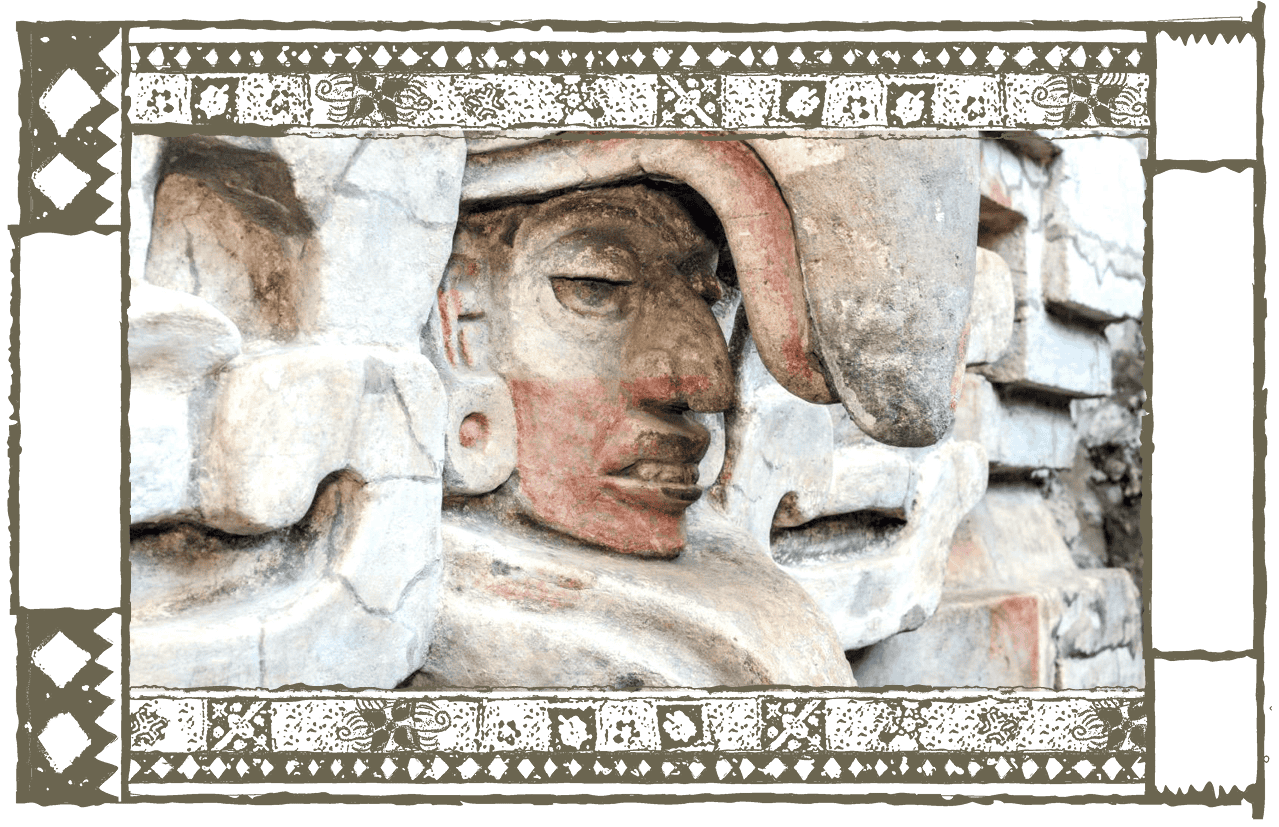
Above: A sculpture of a man’s head inside the beak of an owl
Famous Archeologists

 Eugene N. Borza (1935–2021) was an American historian, professor emeritus at Pennsylvania State University, and a leading authority on ancient Macedonia and the reigns of Philip II and Alexander the Great. Best known for his foundational book In the Shadow of Olympus: The Emergence of Macedon (1990), Borza combined historical analysis with archaeological evidence—most notably from the royal tombs at Vergina—to explore early Macedonian state formation, political evolution, and cultural identity. Beyond his research, he served as a founder and two-term president of the Association of Ancient Historians, acted as historical consultant for Michael Wood’s PBS series In the Footsteps of Alexander the Great, and spent over three decades training generations of classicists and ancient historians at Penn State.