





Graphic Design Building Blocks 
Graphic Design Building Blocks: Paper

Ellsworth Kelly
Below: Textured Paper Magnified 1000%


 Learn More About the Building Blocks of Graphic Design


White space, far from being mere empty area, acts as an active structural element in graphic design that gives visual components room to breathe, guides the viewer’s eye through a clear hierarchy, and elevates overall legibility and sophistication.
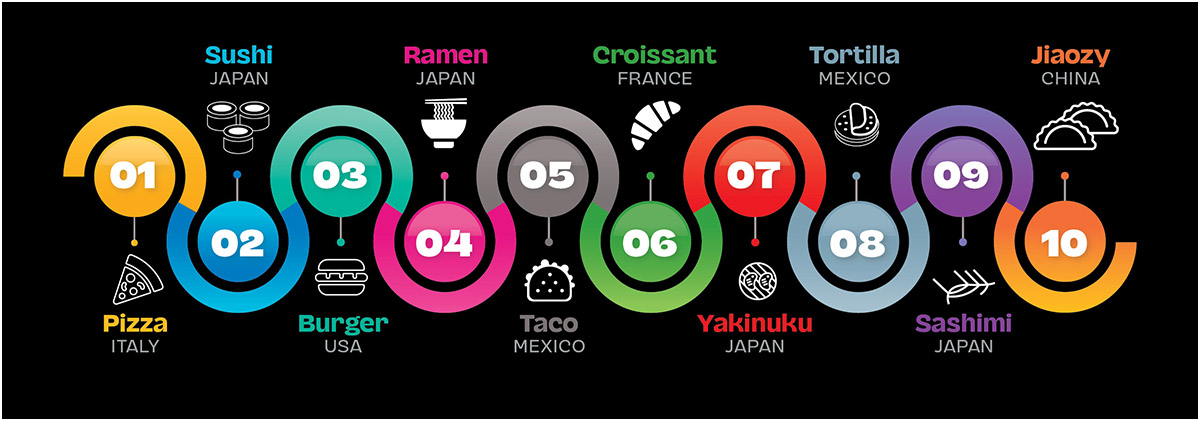
An infographics graphic designer translates complex data and information into clear, visually engaging illustrations and charts that make narrative insights effortlessly readable for any audience.
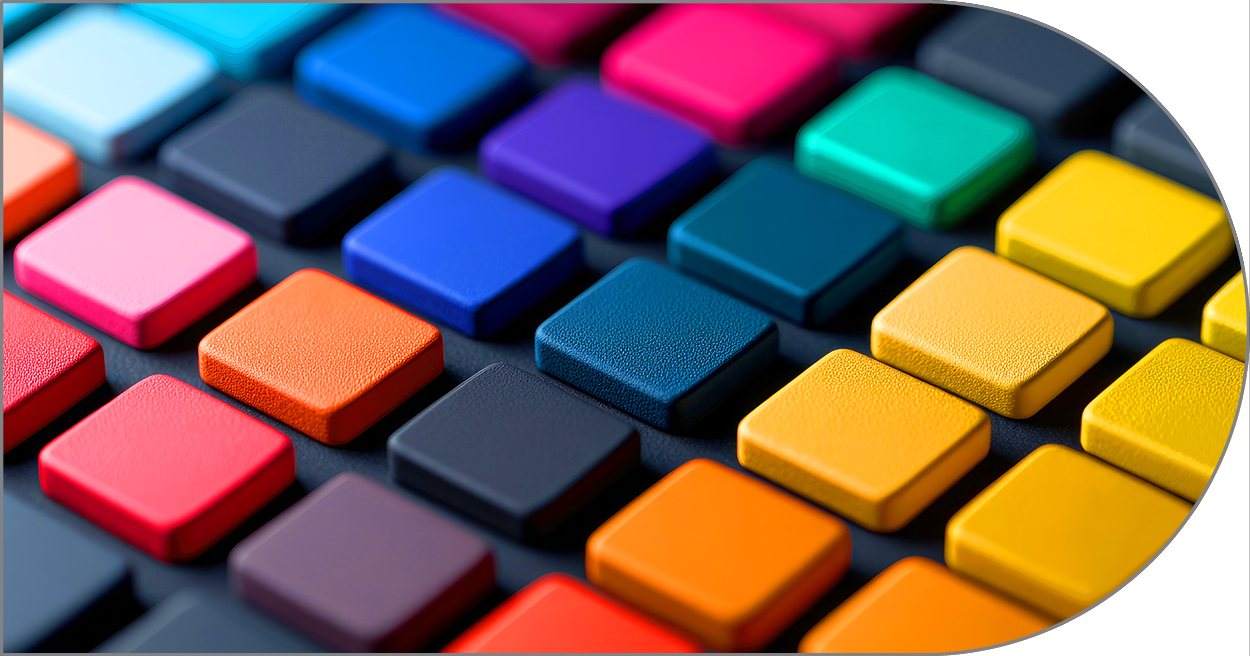
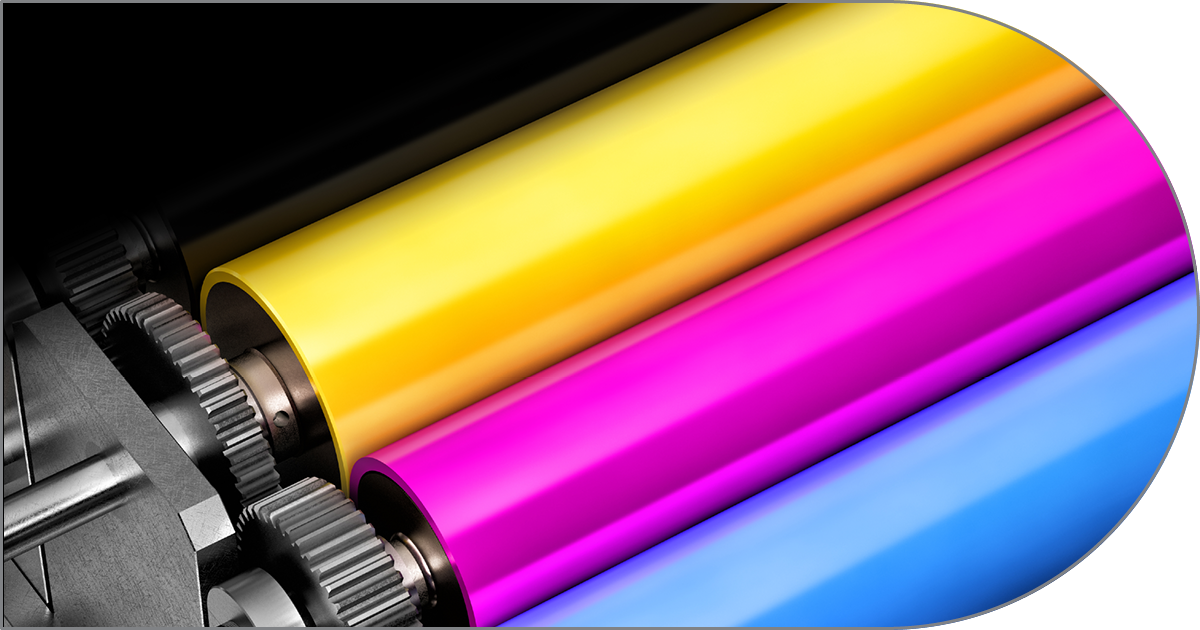
A skilled graphic designer seamlessly bridges the digital and print worlds by designing in the RGB color model to maximize color vibrancy on screens, while masterfully translating those assets into the CMYK color space to guarantee exact hue fidelity and sharp contrast for physical printing.
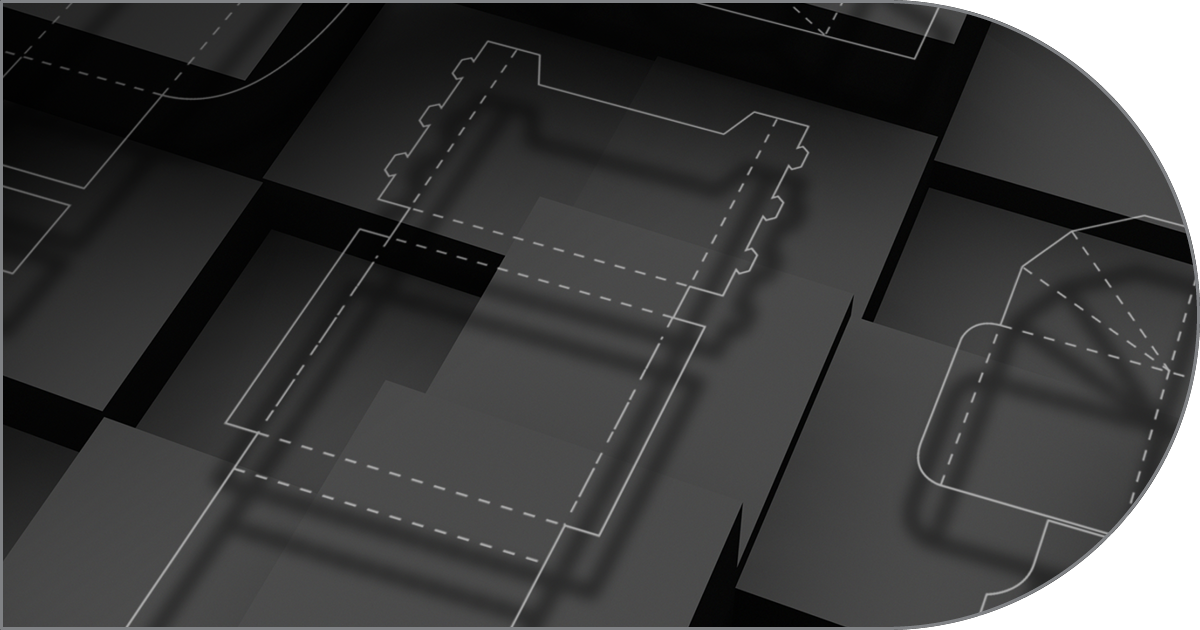
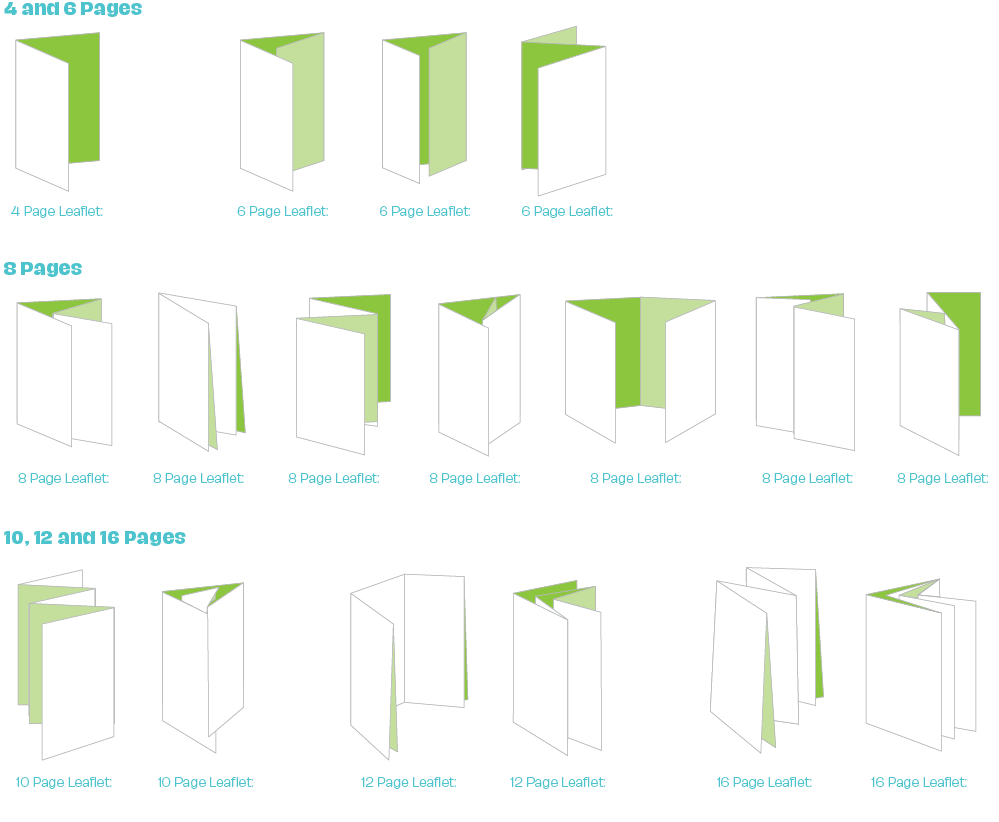
Below: Most Common Paper Folds
In graphic design and commercial print production, paper folds transform a flat two-dimensional sheet into a dynamic, interactive structural piece. Beyond mere packaging efficiency, the choice of folding style dictates how content is revealed, establishing narrative flow, visual hierarchy, and user engagement. Standard configurations like half folds, tri-folds (letter folds), Z-folds, gate folds, and accordion folds each offer distinct spatial relationships for typography, grid layouts, and imagery.
Comparing Traditional CMYK to Digital Printing
Graphic design has evolved significantly from traditional printing methods to modern digital printing, with both approaches offering unique advantages. Traditional printing, such as offset printing, screen printing, and letterpress, often provides a distinctive tactile quality and rich, professional appearance, making it popular for high-end books, posters, packaging, and promotional materials. Digital printing, on the other hand, allows designers to produce work quickly and economically without the need for printing plates, making it ideal for short runs, personalized materials, and projects that require frequent changes. While traditional printing can offer greater consistency and specialized finishes, digital printing provides flexibility, speed, and convenience. Today, graphic designers often choose between the two methods based on the project’s budget, quantity, materials, and desired visual effect.

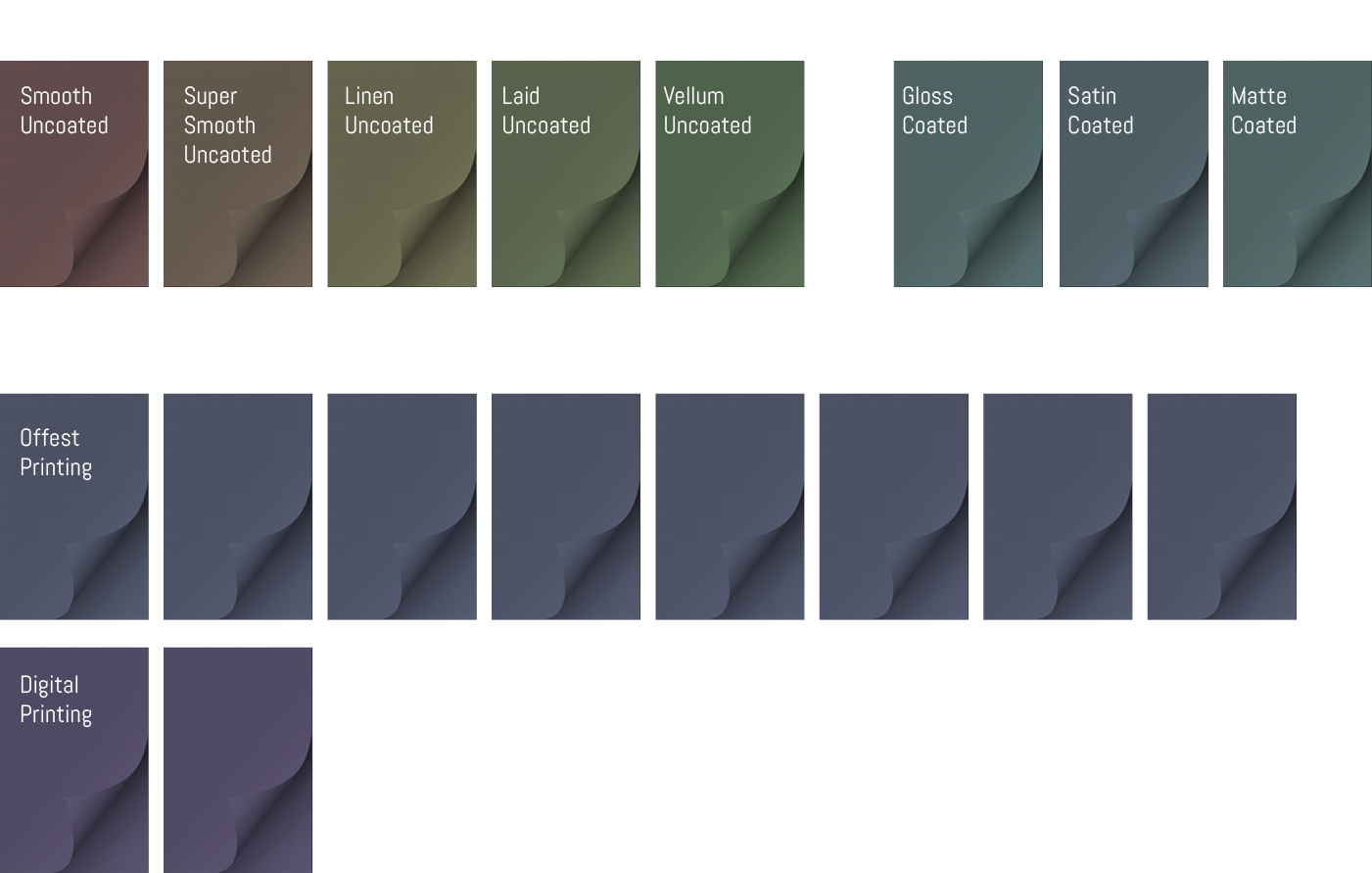
The Many Types of Paper
Paper finishes play an important role in graphic design because they can greatly influence the appearance, texture, and overall feel of a printed piece. Common finishes include matte, gloss, satin, and uncoated paper, each offering a different visual and tactile experience. Gloss finishes create a smooth, shiny surface that enhances colors and images, while matte finishes provide a softer, more elegant appearance with less glare. Satin finishes offer a balance between the two, combining some of the vibrancy of gloss with the subtle look of matte. Uncoated paper has a natural, textured feel and is often used for stationery, books, and projects where readability and a more organic appearance are important. Choosing the right paper finish allows a designer to strengthen the visual message and create a more memorable printed product.