






Graphic Design Building Blocks 
Graphic Design Building Blocks: Packaging

Paul Rand
Below: Some of Our Branding Assignments
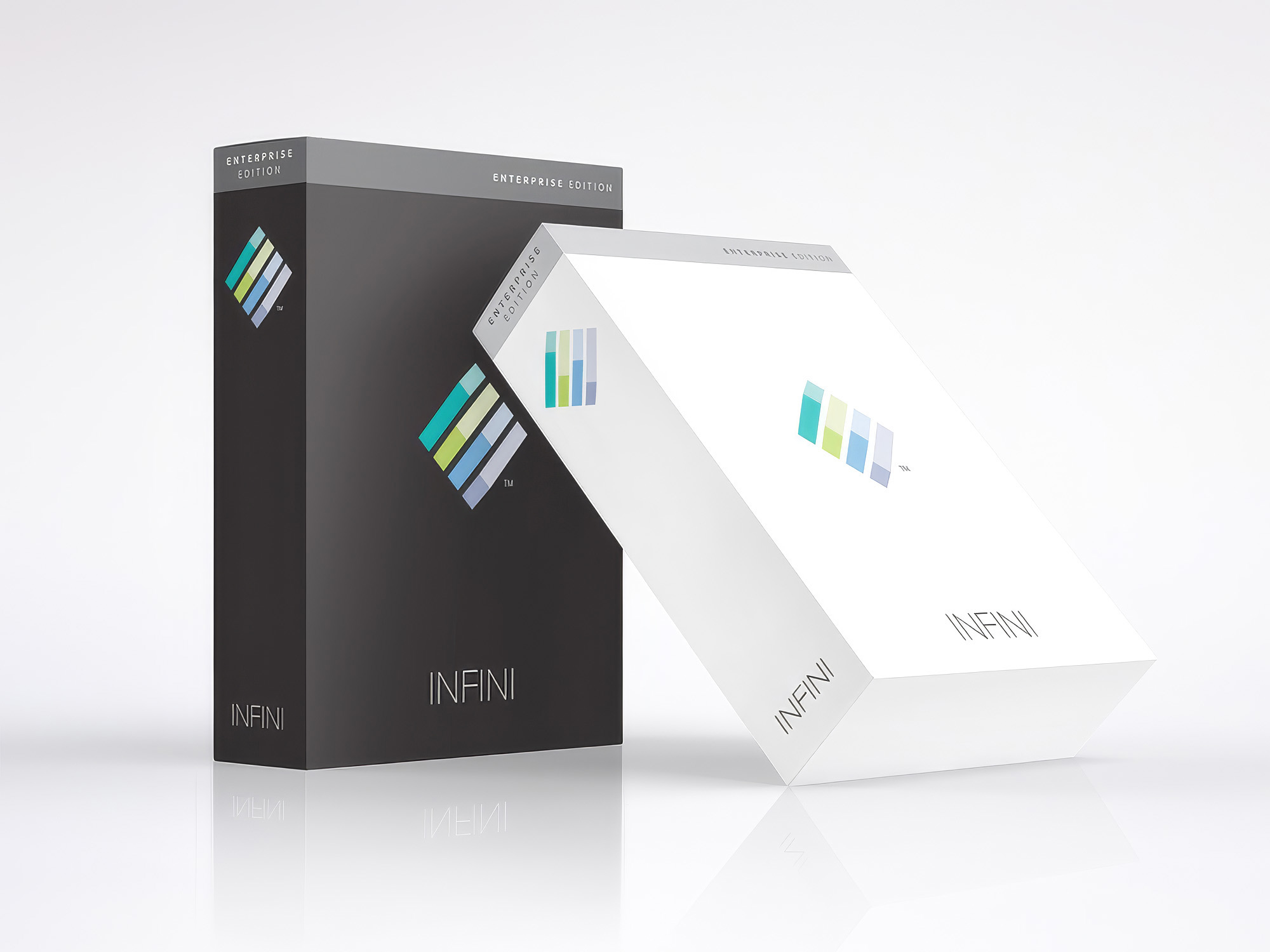
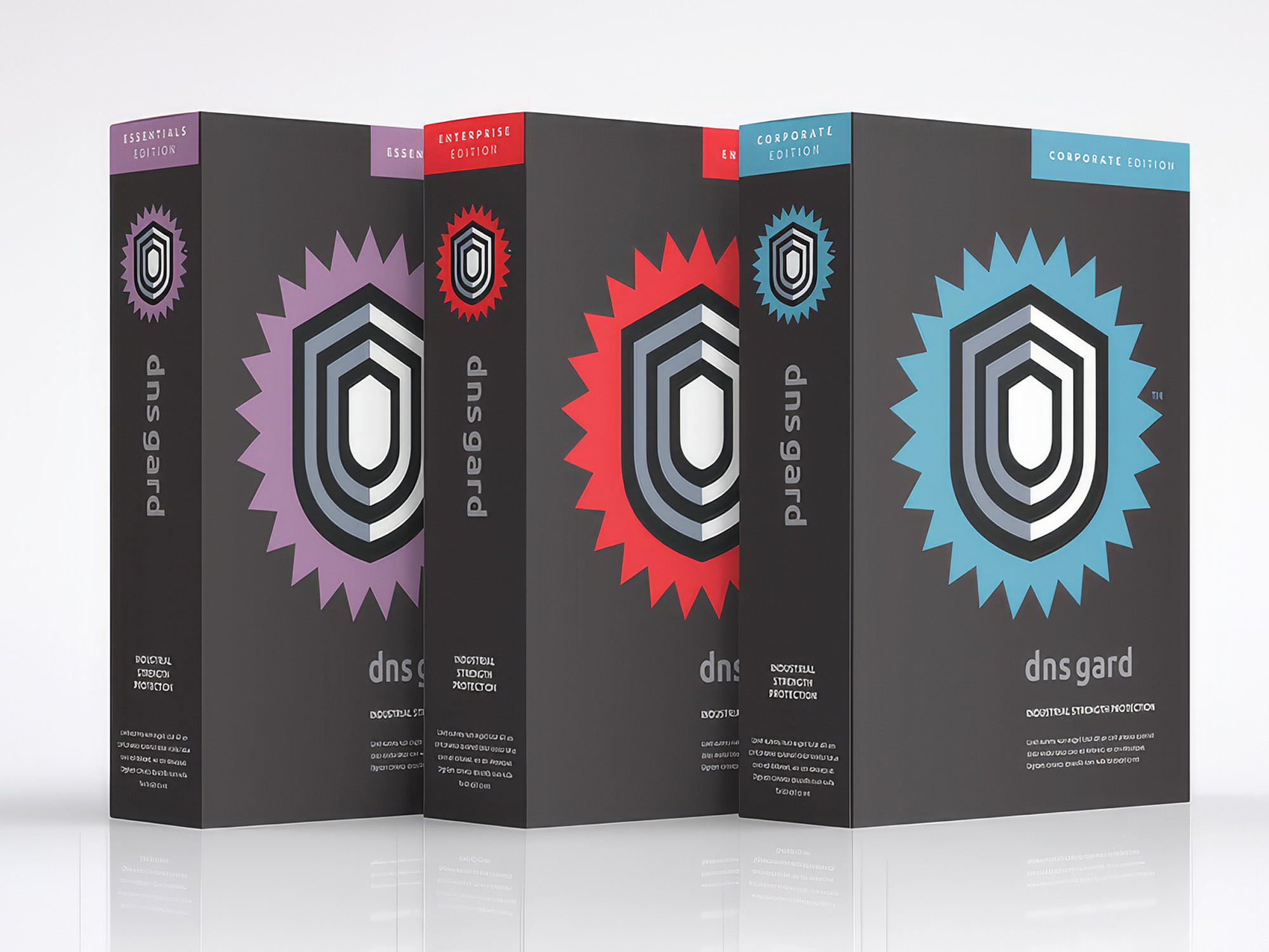
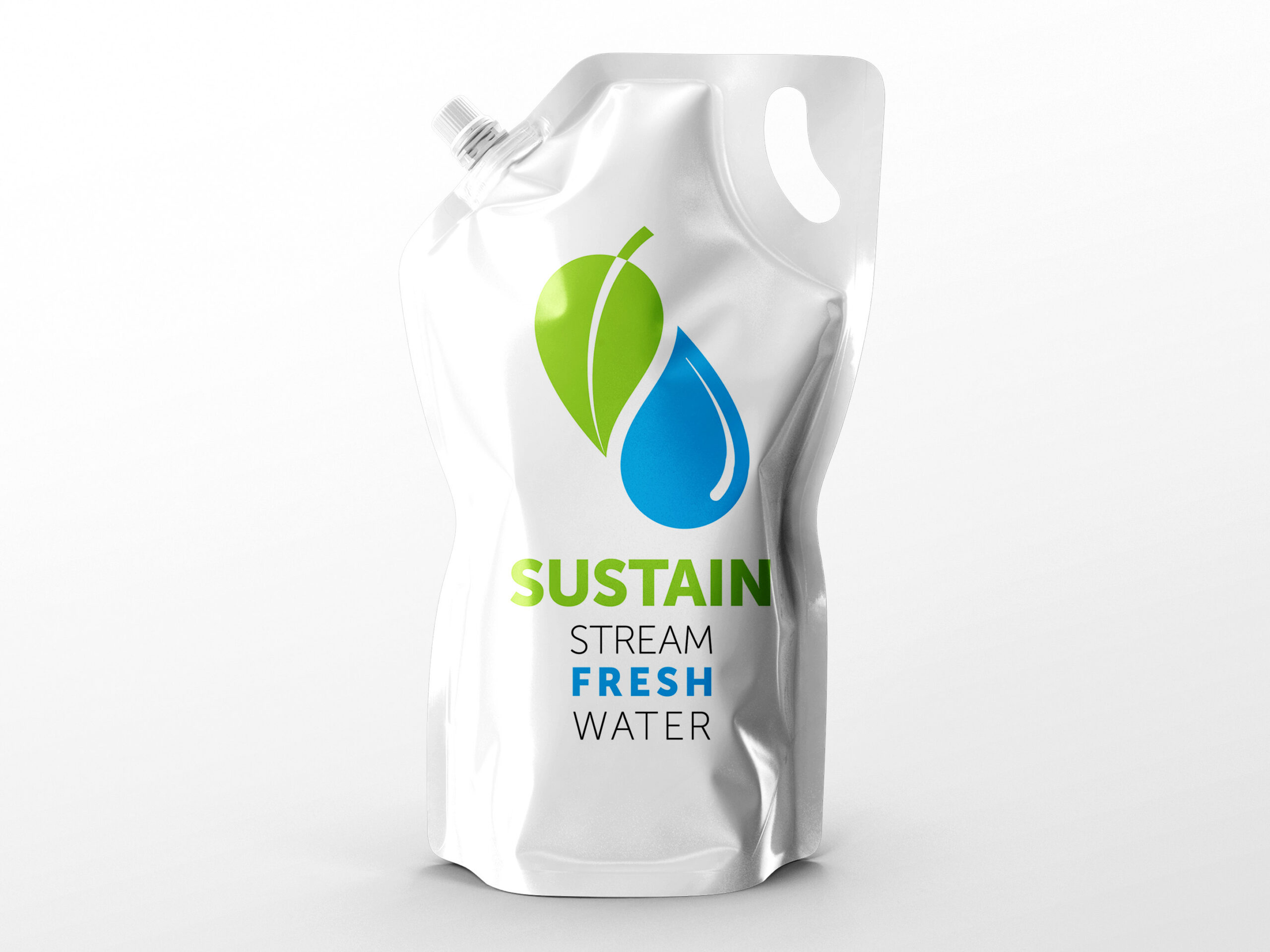
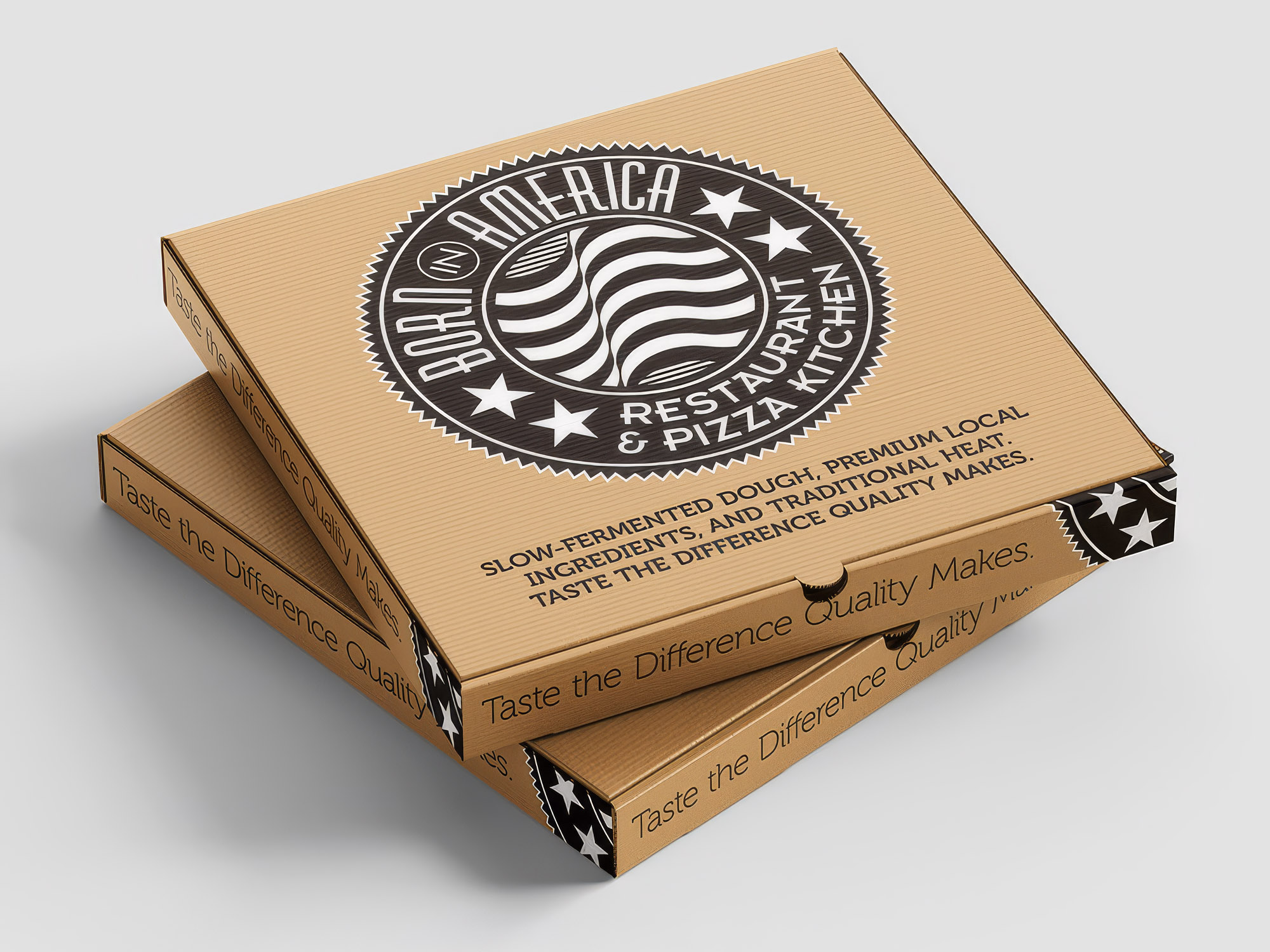
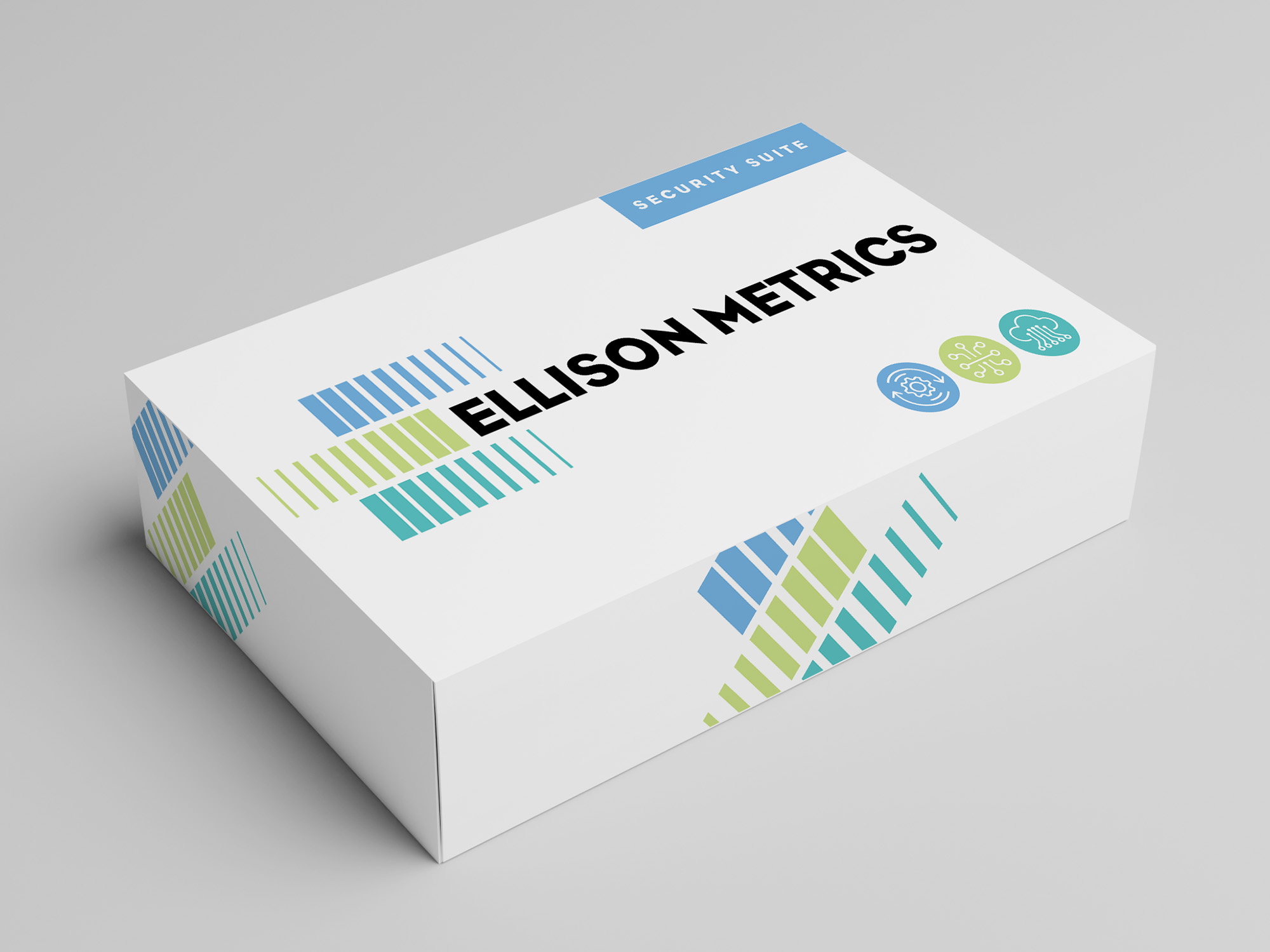
Packaging graphic design bridges the gap between a product on a shelf and a customer’s hands. It is the visual, tactile, and strategic discipline of shaping a product’s physical exterior to tell a brand’s story. Far beyond mere aesthetics, effective packaging graphic design synthesizes structural engineering, consumer psychology, typography, and material science into a single tangible experience.

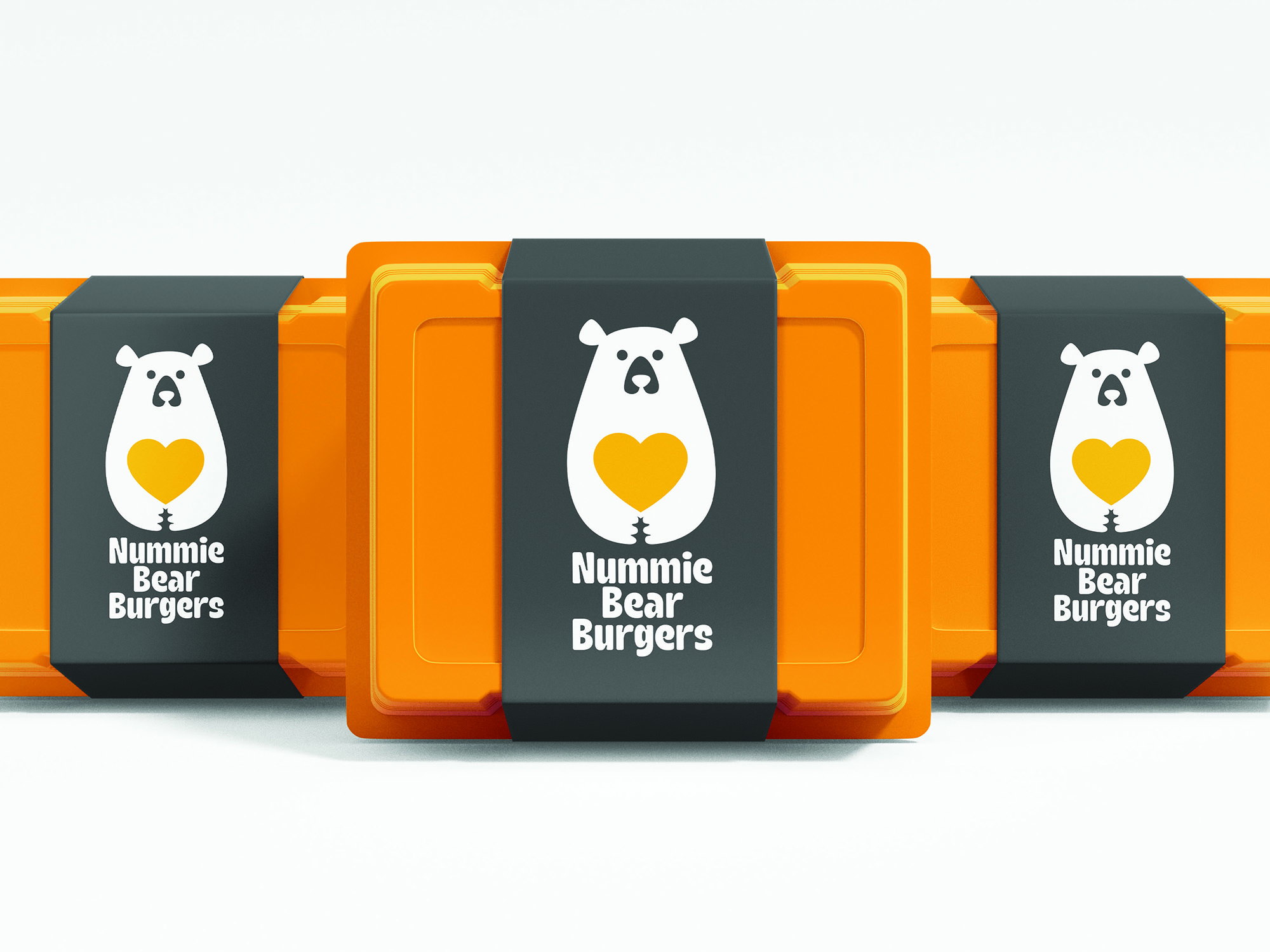
Below: Nummie Bear Burgers (Tokyo)



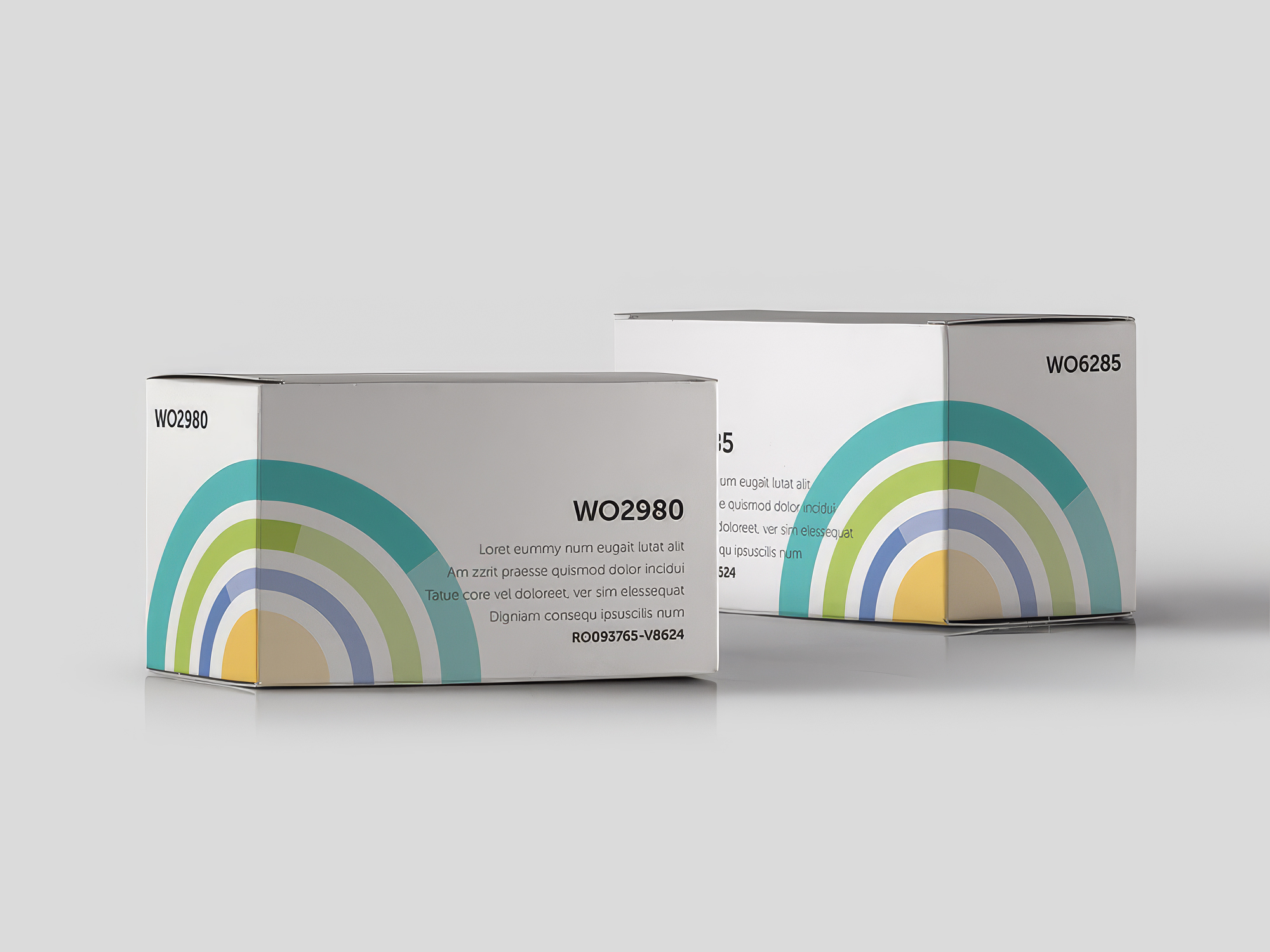
At its core, packaging serves a critical functional role: communicating essential information clearly and quickly. Designers must balance regulatory requirements—such as ingredient lists, barcodes, and safety warnings—with brand-led messaging like taglines and usage instructions. Mastering hierarchical typography and clear spatial layout ensures that consumers can digest vital product details in a matter of seconds.

Learn More About the Building Blocks of Graphic Design
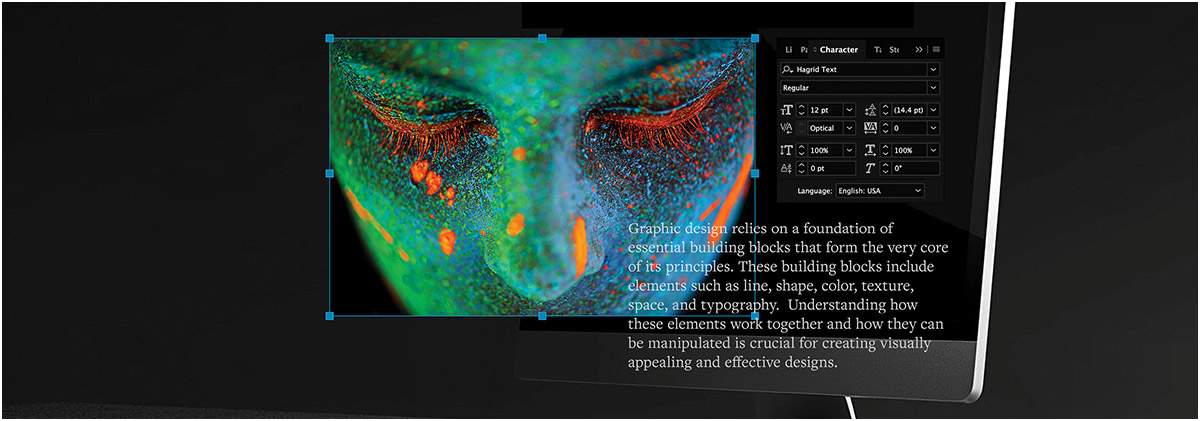

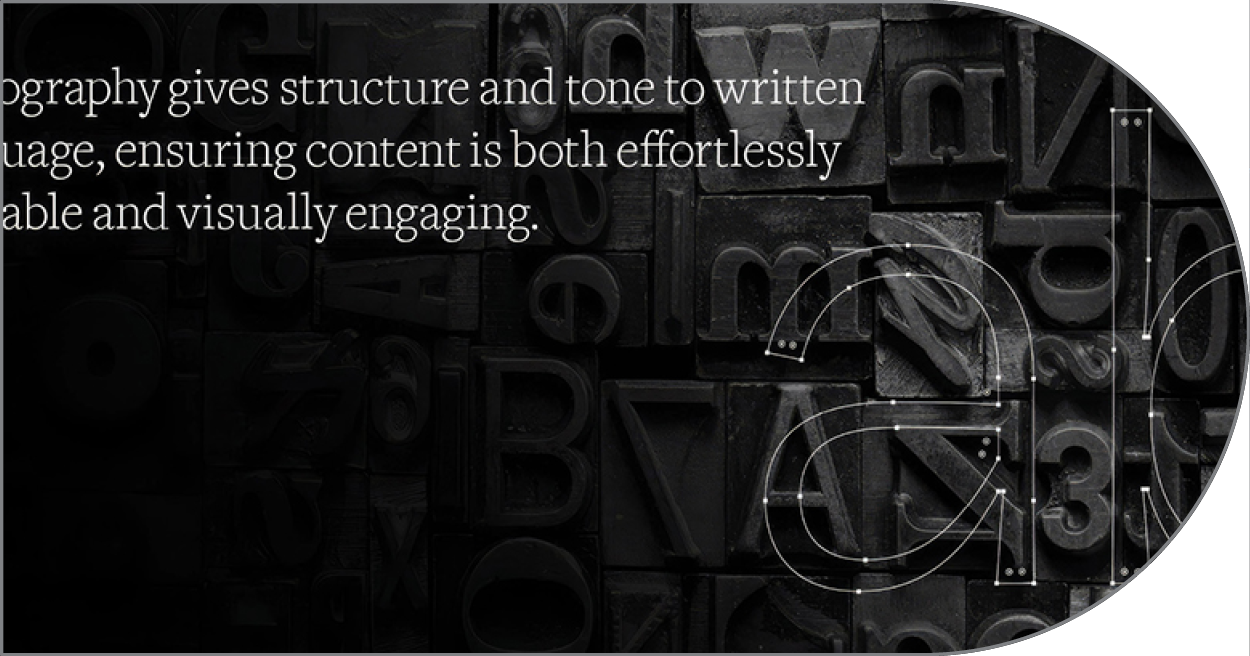
Graphic design establishes the creative vision, typography hierarchy, and visual branding for print and digital media, while Adobe InDesign serves as the industry-standard layout power tool that precision-engineers those elements.
Graphic design transforms functional product packaging into an engaging tactile experience by fusing structural layout, brand typography, and persuasive visual hierarchy to instantly capture attention on crowded retail shelves.
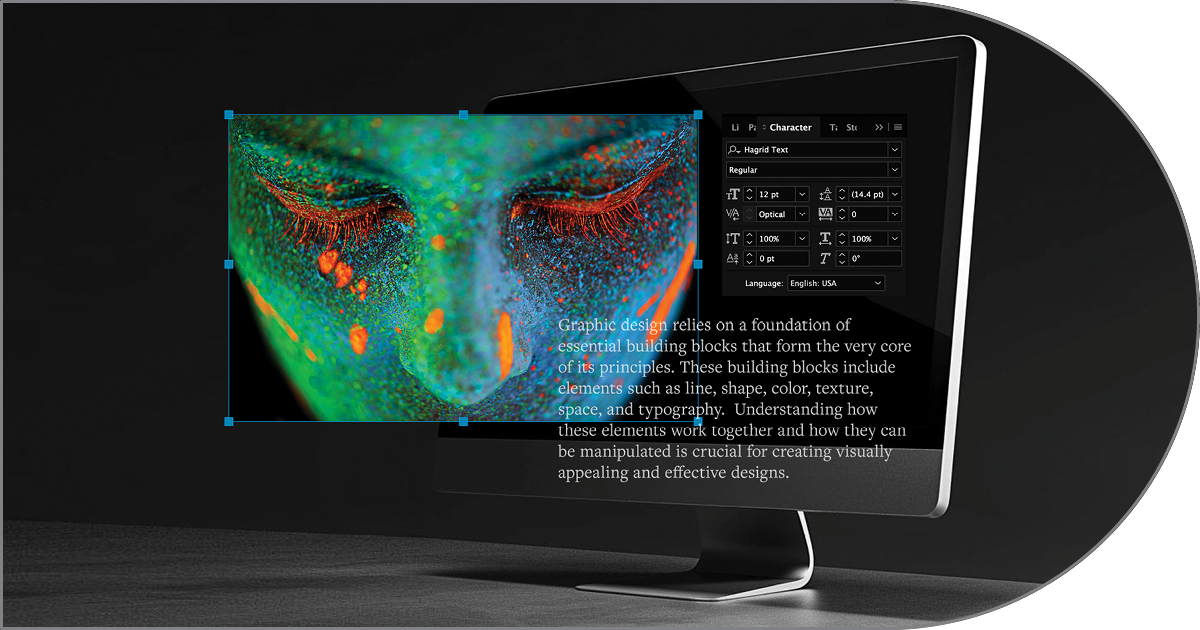
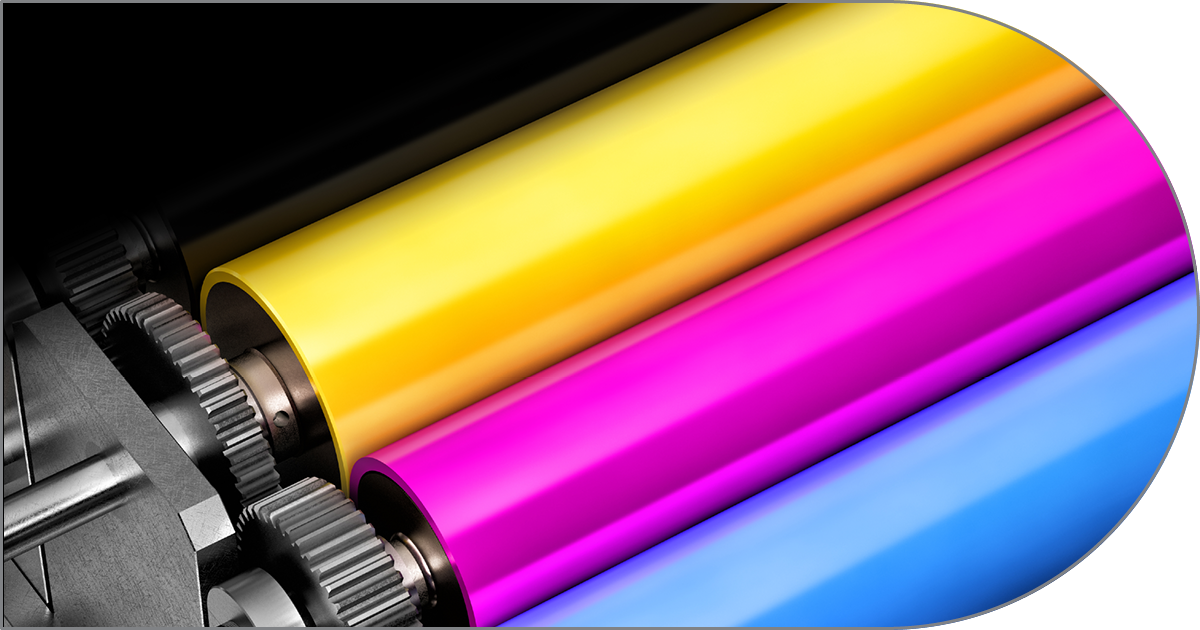
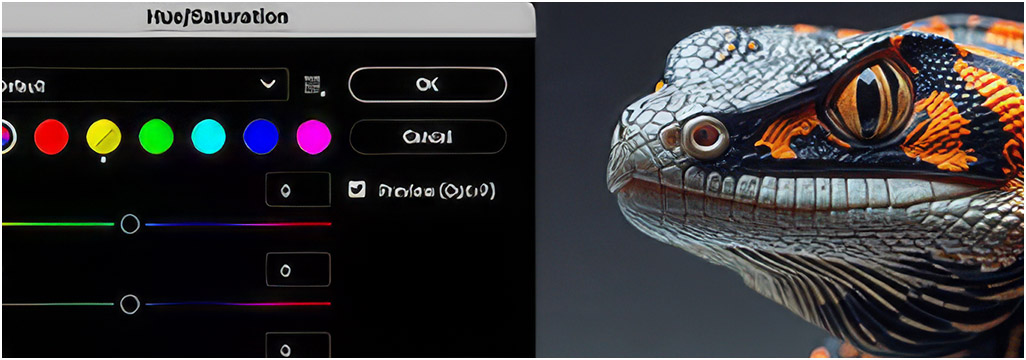
Adobe Photoshop serves as an essential digital canvas for graphic designers, enabling them to manipulate images, blend complex visual layers, and refine intricate raster graphics with extraordinary precision.
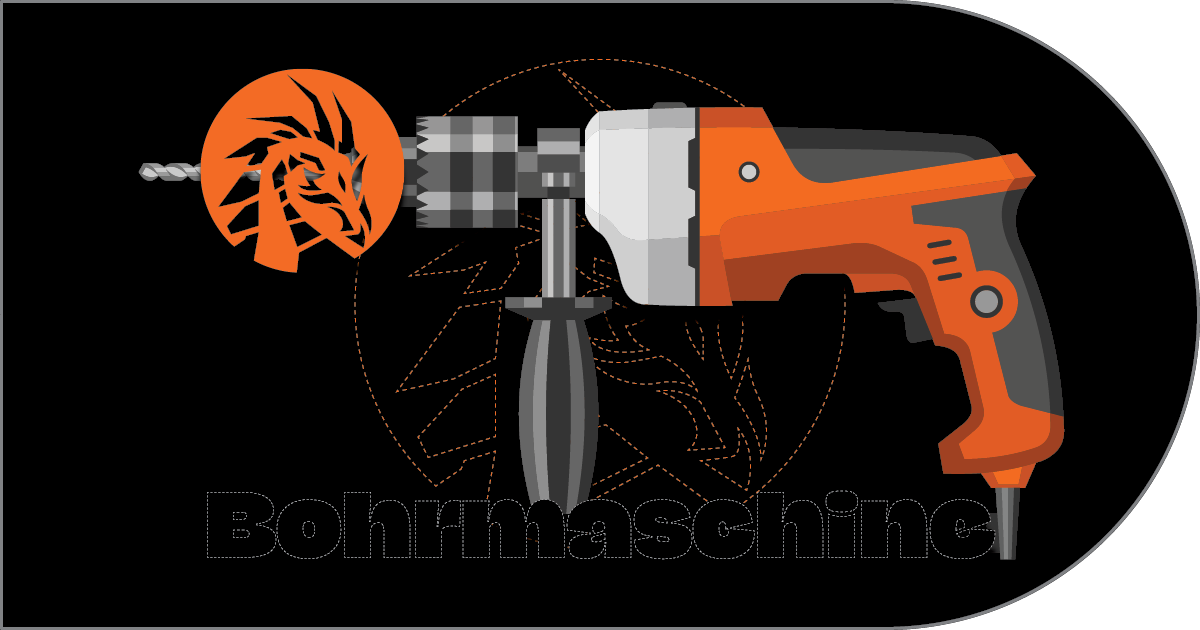
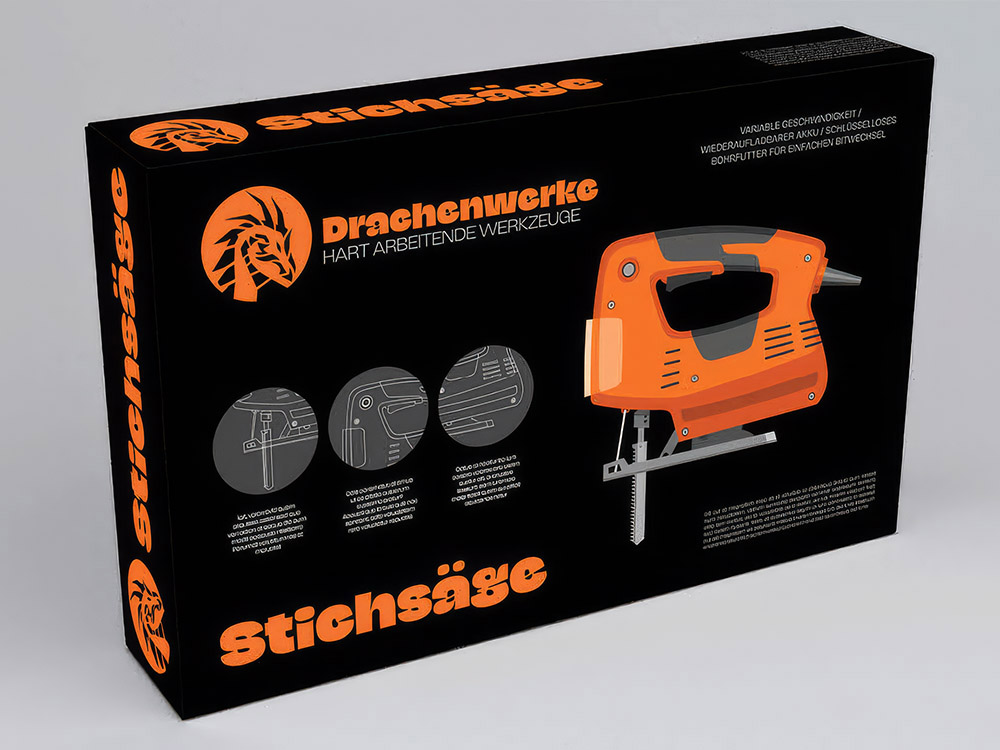
Below: Drachenwerke Power Tools (Germany)

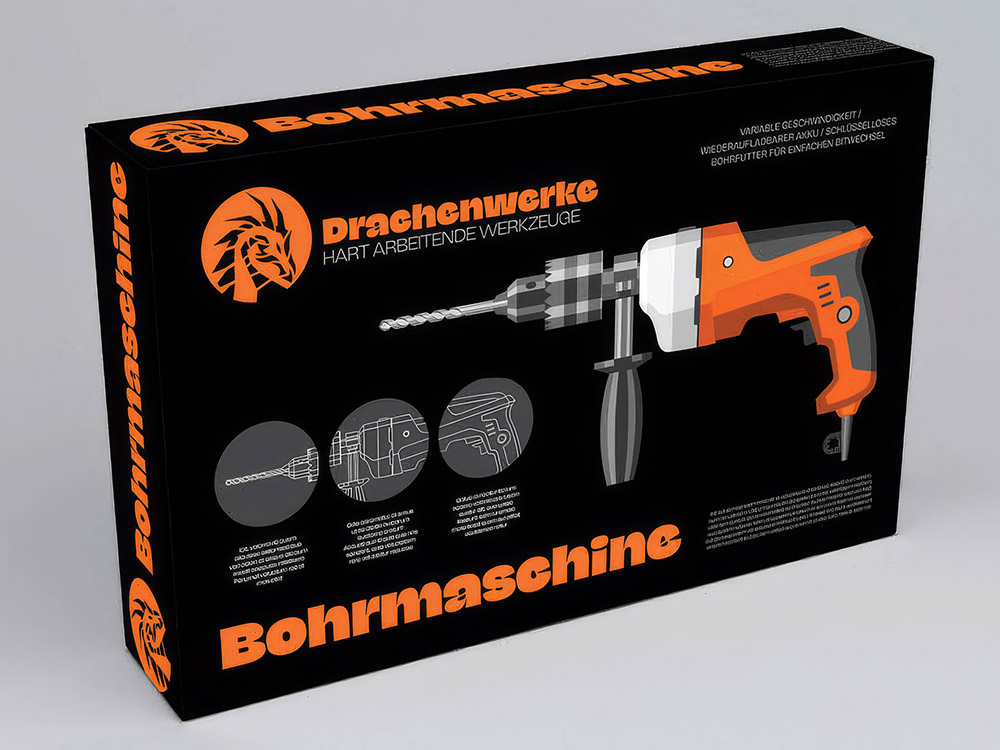
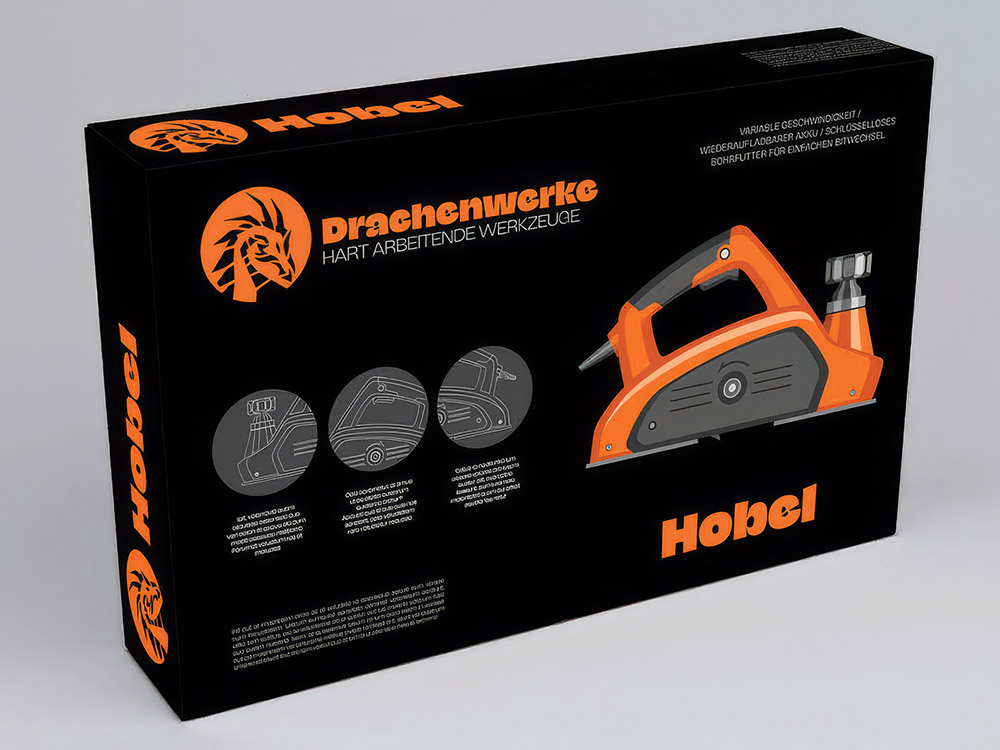
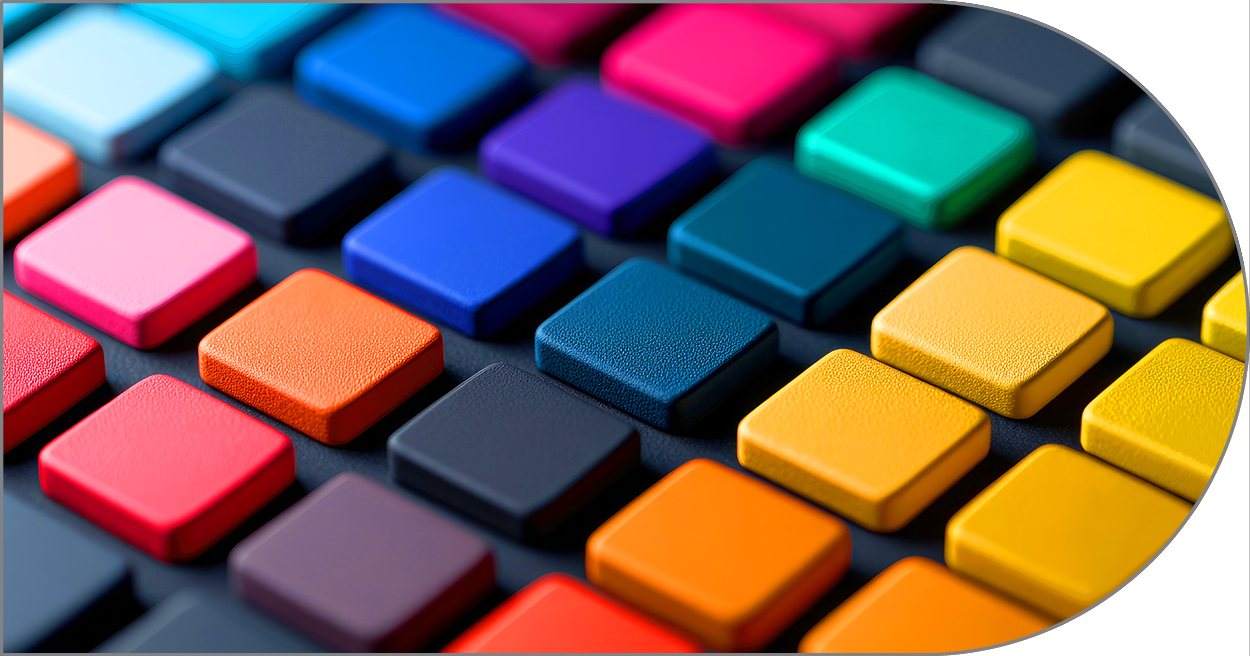
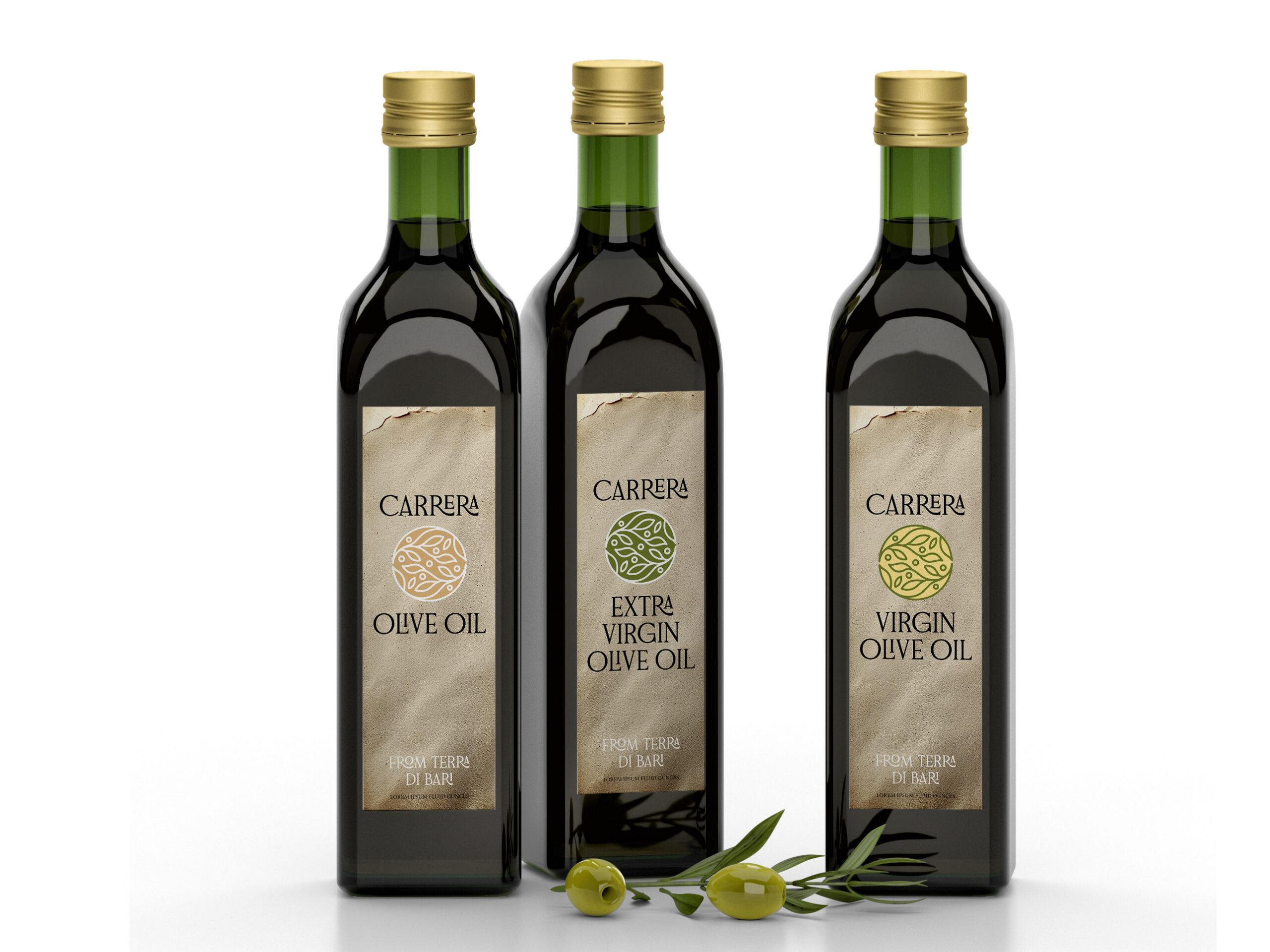
Beyond utility, packaging graphic design is a powerful driver of brand identity and emotional connection. Through thoughtful color palettes, unique illustration styles, and distinct logo placements, packaging establishes a visual shorthand for a brand’s ethos. Whether a brand aims to project minimal luxury, eco-conscious sustainability, or playful energy, the exterior design sets customer expectations before the product is even opened.
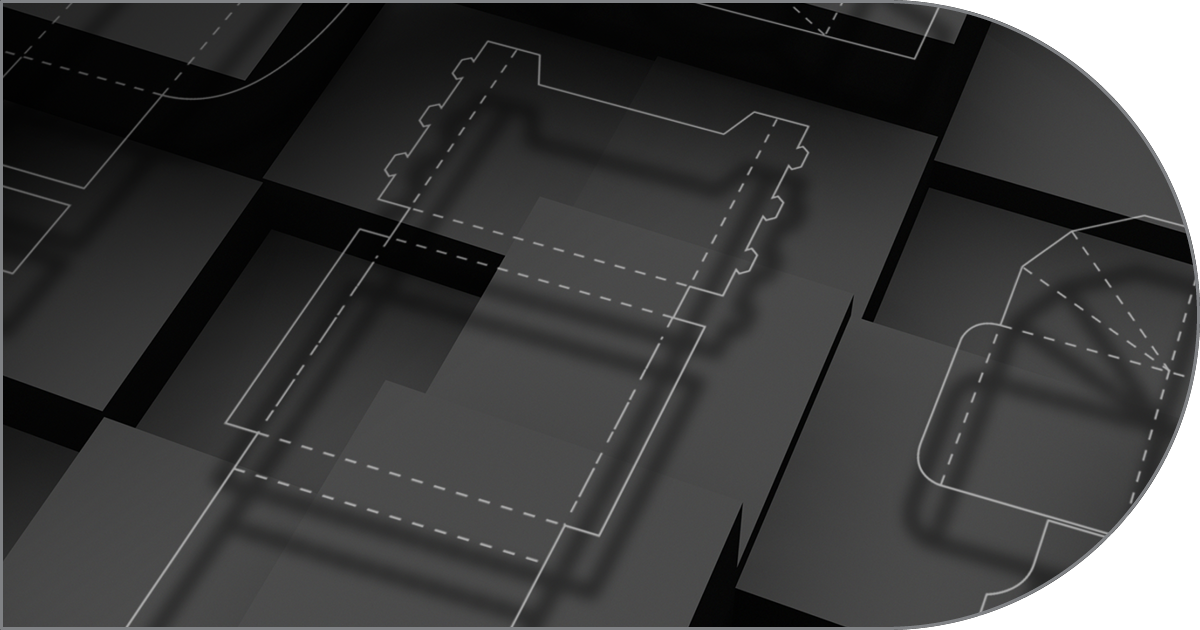
Below: Examples of Packaging Die Cuts
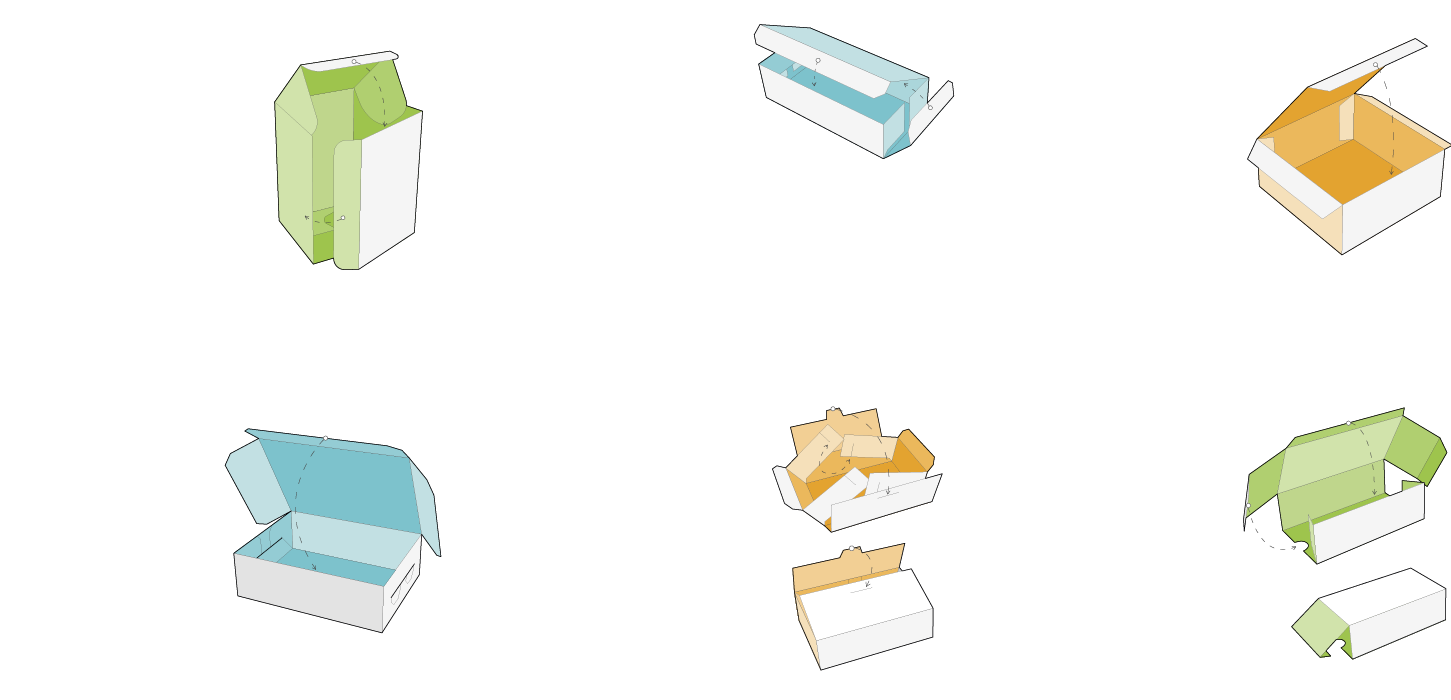
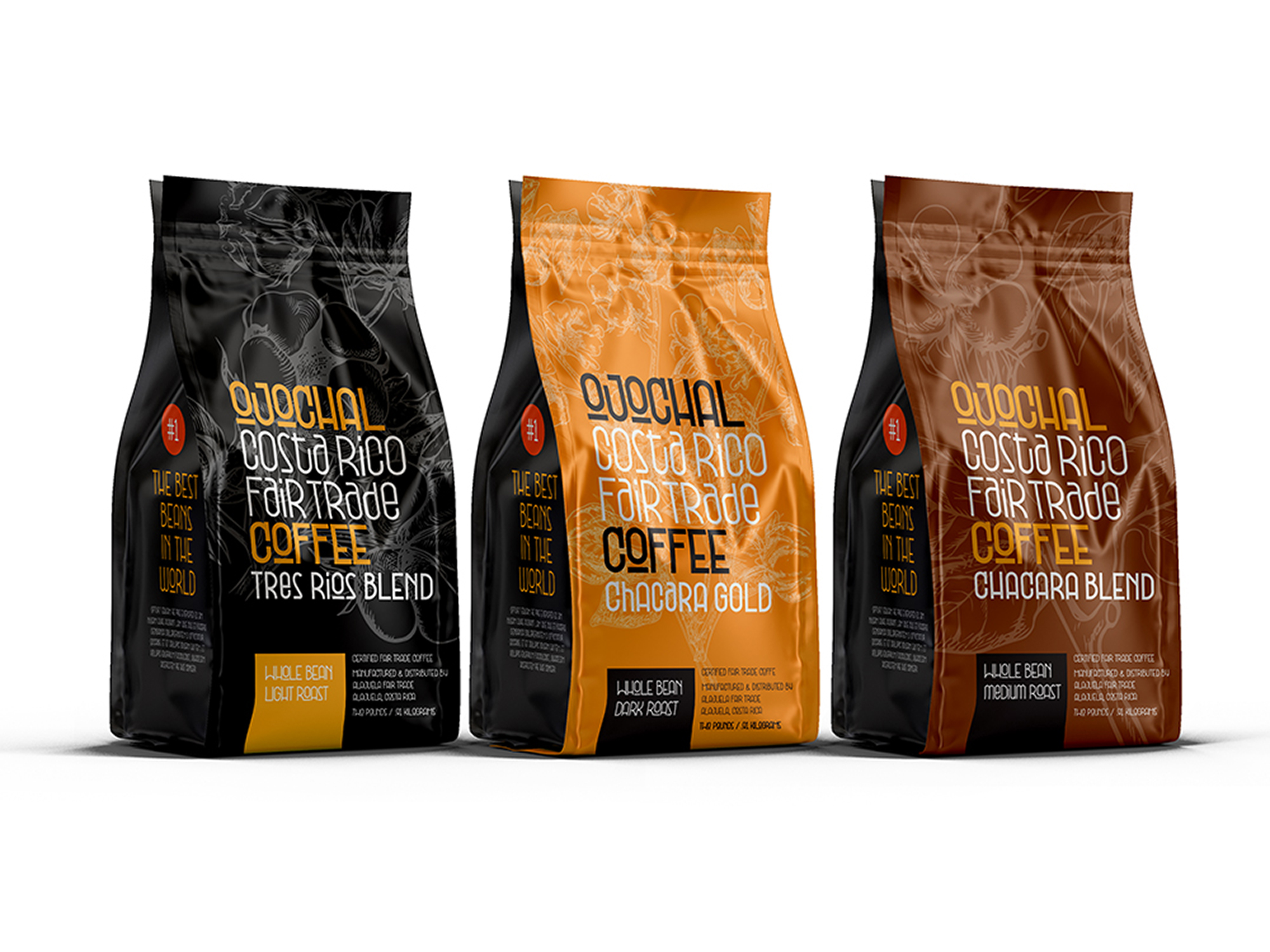
In a crowded marketplace, packaging functions as a 24/7 salesperson at the point of purchase. Shelf impact—how a product stands out among competitors—relies on high-contrast visuals, distinct structural silhouettes, and memorable graphic patterns. Effective design captures attention from across an aisle and entices the shopper to pick up the item, completing the crucial transition from passive viewing to active engagement.