





Graphic Design Building Blocks 
Graphic Design Building Blocks: Creativity and Imagination
“If you fall in love with the imagination, you understand that it is a free spirit. It will go anywhere, and it can do anything.”
ALICE WALKER




“You can’t use up creativity. The more you use, the more you have.”
Maya Angelou
“Designers are meant to be loved, not to be understood.”
MARGARET OSCAR
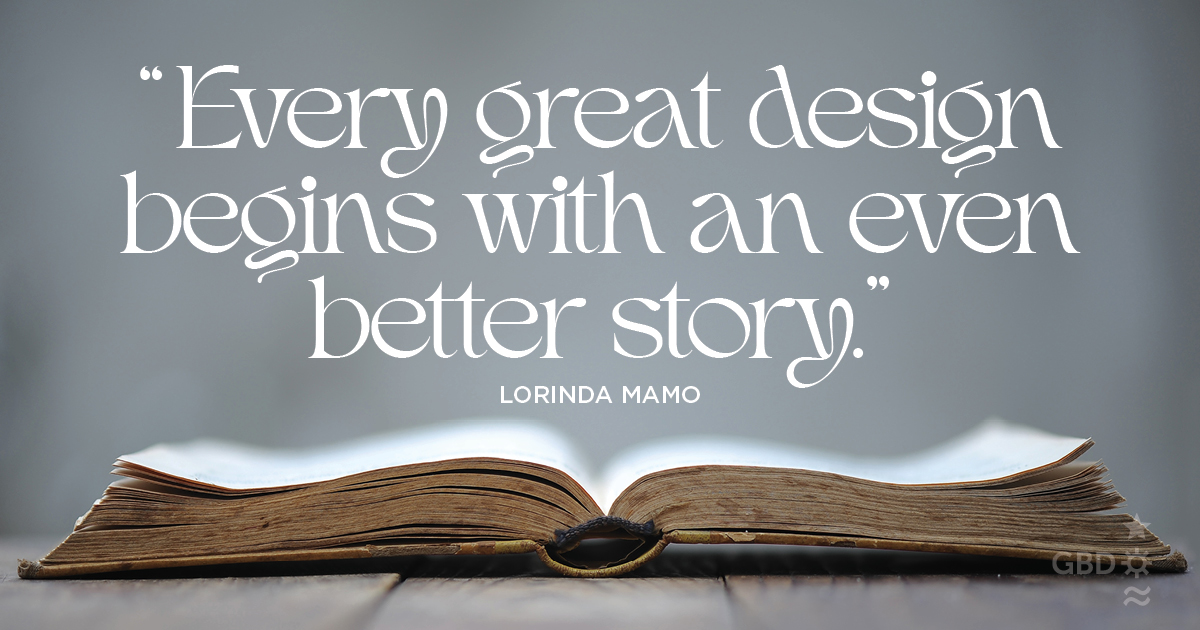
“Every great design begins with an even better story.”
LORINDA MAMO
“Design is the intermediary between information and understanding.”
HANS HOFFMAN



“Styles come and go. Good design is a language, not a style.”
MASSIMO VIGNELLI
“Design is more than just a few tricks to the eye. It’s a few tricks to the brain.”
Neville Brody
“Bad design shouts at you. Good design is the silent seller.”
Shane Meendering
“Design is art optimized to meet objectives.”
Shimon Shmueli

Learn More About the Building Blocks of Graphic Design
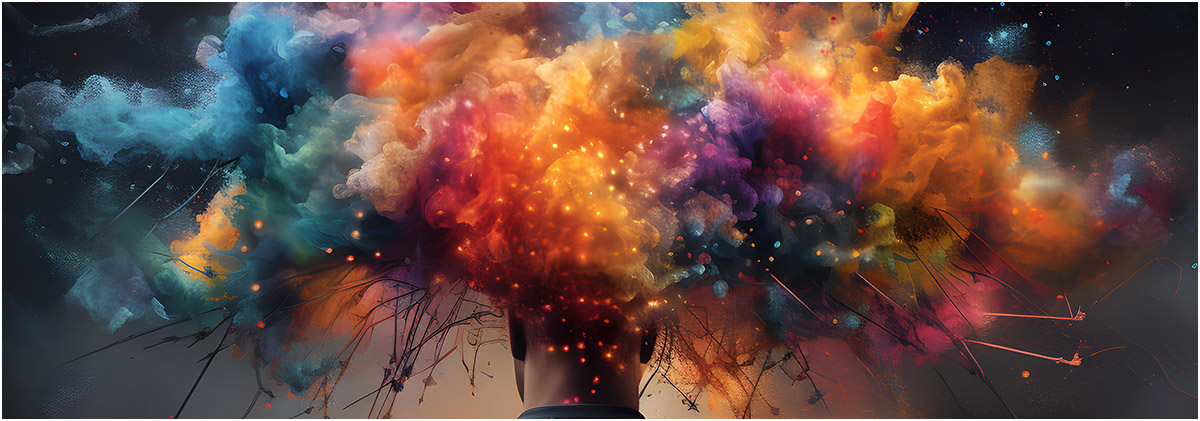


At the heart of graphic design lies creativity, an imaginative problem-solving process that transforms raw ideas into captivating visual concepts by harmonizing color, composition, and metaphor to communicate complex stories, break through digital noise, and inspire action.
Graphic design relies on vector graphics for logos, typography, and illustration because their mathematical, point-and-path construction allows visuals to scale infinitely.
hen using spot colors, printers use premixed custom inks—such as Pantone shades—to ensure exact color accuracy and consistency across different printed materials.
“Sometimes I wondered if I was seeing the same things through my eyes that the rest of the world was seeing through theirs. Maybe there was a glitch in my brain.”
Stephenie Meyer
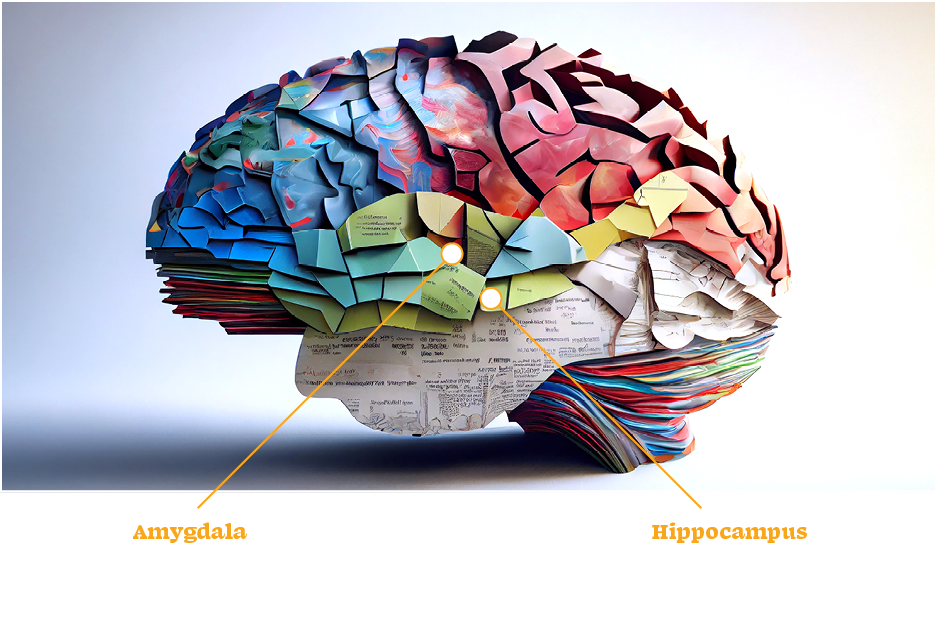
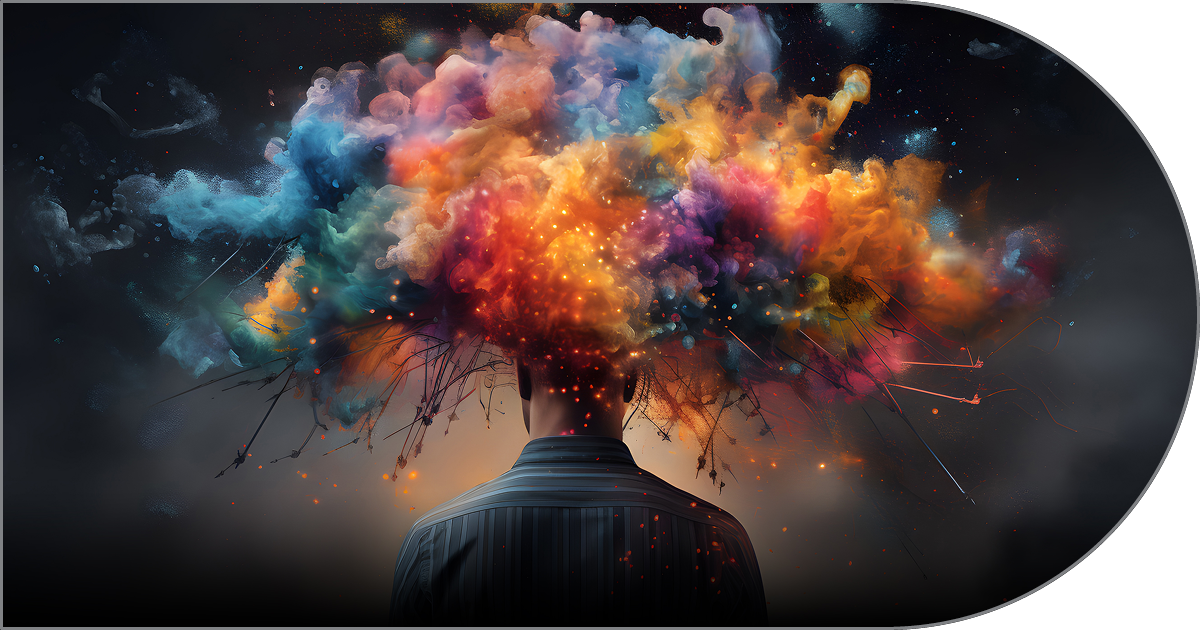
Deep within our brain, nestled by the thalamus and beneath the cortex, lies the limbic system. This network of structures isn’t just about feeling happy or sad; it also fuels our imagination and motivation. Two key players here are the hippocampus and the amygdala. The hippocampus, a memory maestro, retrieves and stores experiences. The amygdala, an emotional interpreter, processes those memories. Together, they spark a creative alchemy, transforming raw emotions and past experiences into fresh ideas.
“If you only have brains on your head you would be as good a man as any of them, and a better man than some of them. Brains are the only things worth having in this world, no matter whether one is a crow or a man.”
L. Frank Baum
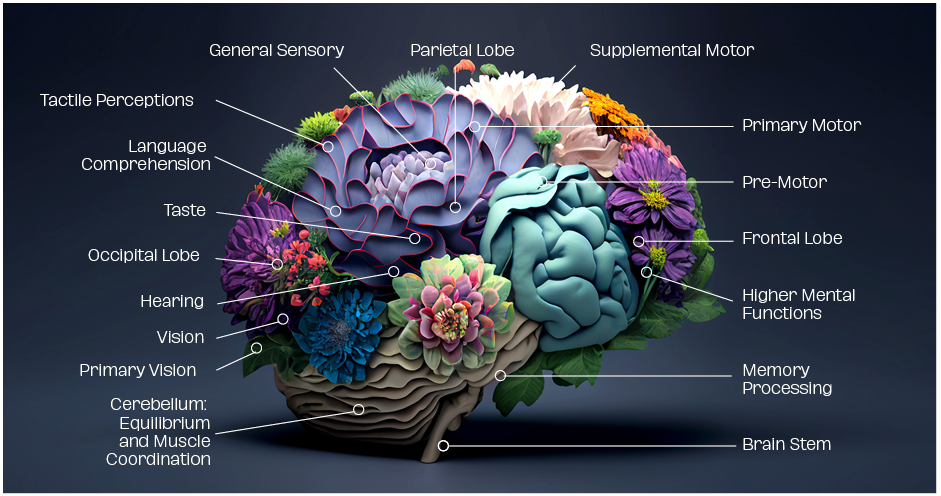
Creativity and imagination aren’t sparked in a single region of the brain. Instead, a network of areas works together to generate new ideas and dream up possibilities. The limbic system, with its hippocampus for memory retrieval and amygdala for processing emotions, plays a crucial role. These emotional connections fuel the creative process. Additionally, the prefrontal cortex, responsible for higher-level thinking, steps in to refine those ideas and make decisions.Our five senses provide the raw materials for this creative process. The visual cortex interprets what we see, the auditory cortex what we hear, and so on. But these sensory areas don’t work in isolation. They connect to other parts of the brain, allowing us to experience the world in a rich tapestry. A whiff of a familiar scent can trigger a vivid memory, while a beautiful melody might spark an artistic vision.
“Imagination is the beginning of creation. You imagine what you desire, you will what you imagine and at last you create what you will.”
George Bernhard Shaw
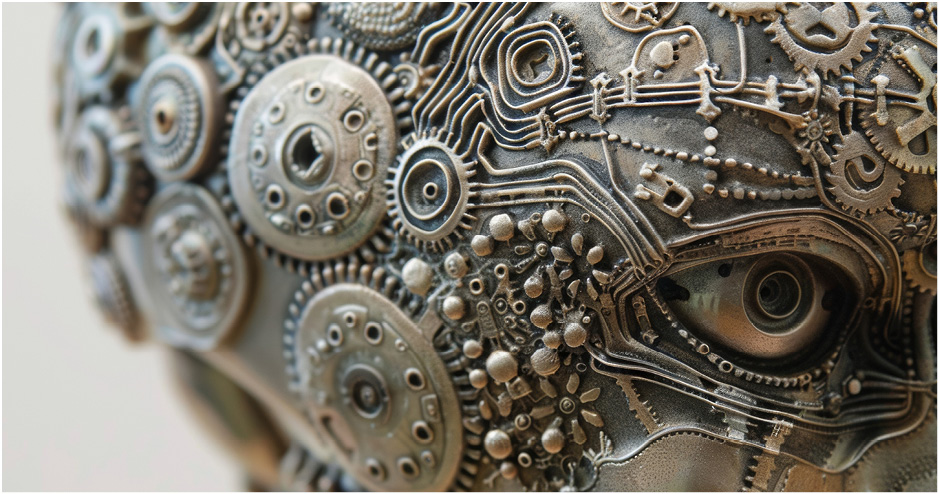
The brain, our three-pound command center, is a marvel of intricate communication. Billions of nerve cells, called neurons, weave a complex web that carries messages throughout the body. These messages are sparked by electrical impulses and chemical messengers called neurotransmitters. When you see a red rose, for example, light hits your eyes and triggers electrical signals that travel up nerves to your brain. There, specific regions decipher the signal as the color red. This constant dance of electrical and chemical signals allows us to do everything from sensing the world around us to feeling emotions and forming memories. Different areas of the brain specialize in different tasks. The cerebrum, the largest part, is responsible for complex thought and motor function. Through this intricate network, the brain creates the unique experience of being you.
“Creativity doesn’t wait for that perfect moment. It fashions its own perfect moments out of ordinary ones.”
Bruce Garrabrandt
Learn More About the Building Blocks of Graphic Design

White space, far from being mere empty area, acts as an active structural element in graphic design that gives visual components room to breathe, guides the viewer’s eye through a clear hierarchy, and elevates overall legibility and sophistication.
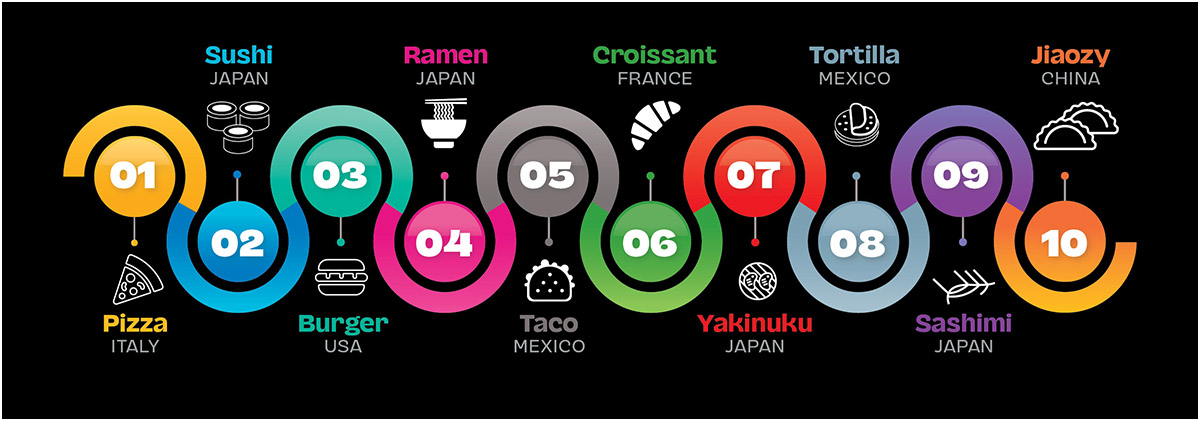
An infographics graphic designer translates complex data and information into clear, visually engaging illustrations and charts that make narrative insights effortlessly readable for any audience.
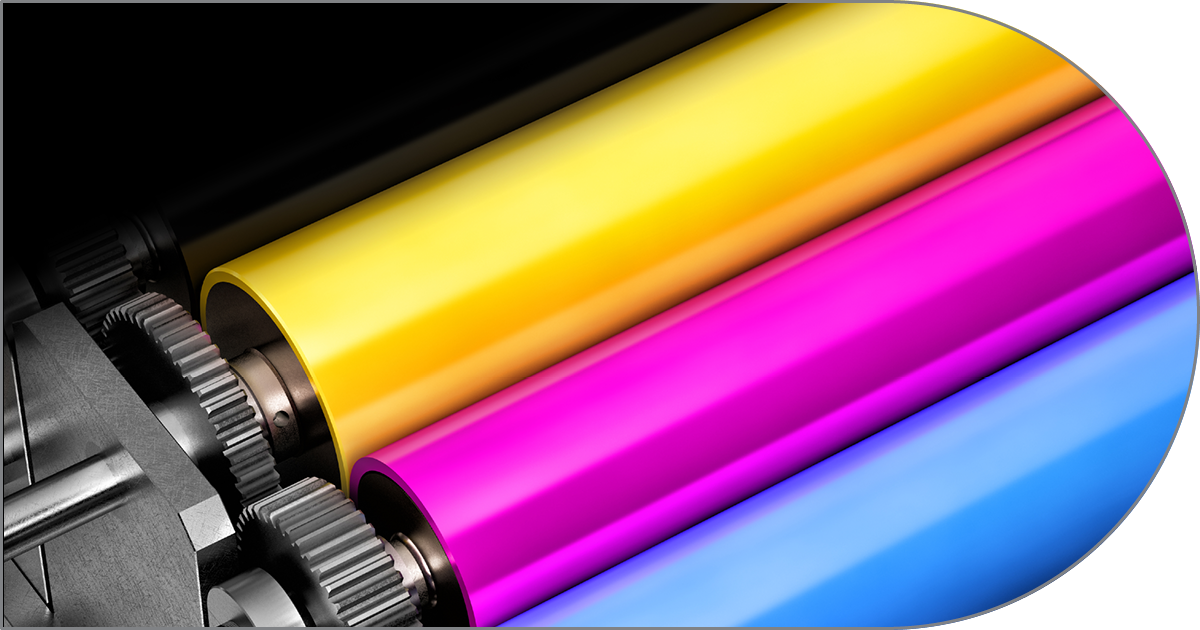
A skilled graphic designer seamlessly bridges the digital and print worlds by designing in the RGB color model to maximize color vibrancy on screens, while masterfully translating those assets into the CMYK color space to guarantee exact hue fidelity and sharp contrast for physical printing.