Graphic Design Building Blocks 
What do graphic designers do? What are they thinking about?



 Building blocks in graphic design serve as the essential elements and underlying principles that transform unstructured visuals into clear, compelling communication.
  At the foundational level are the physical elements: point, line, shape, form, color, texture, and space. A single line can create structure or divide information, while shapes define boundaries and focus attention.
  Color establishes emotion, tone, and hierarchy, while negative space (or white space) gives surrounding visual elements breathing room, preventing density and guiding the viewer’s eye through a composition.
 Beyond these individual assets lie the organizational principles and grid systems that bind them into cohesive compositions. Grids provide an invisible underlying framework, aligning headlines, body text, imagery, and margins to ensure visual harmony across both print and digital platforms.
  Design principles such as scale, contrast, balance, proximity, and repetition establish order within this grid.
  Visual hierarchy uses variations in size, weight, and position to create a clear reading path, ensuring the primary message captures immediate focus while secondary details follow in a logical, easily scannable progression. Without these structural guidelines, even the most striking images and color palettes collapse into chaotic noise.
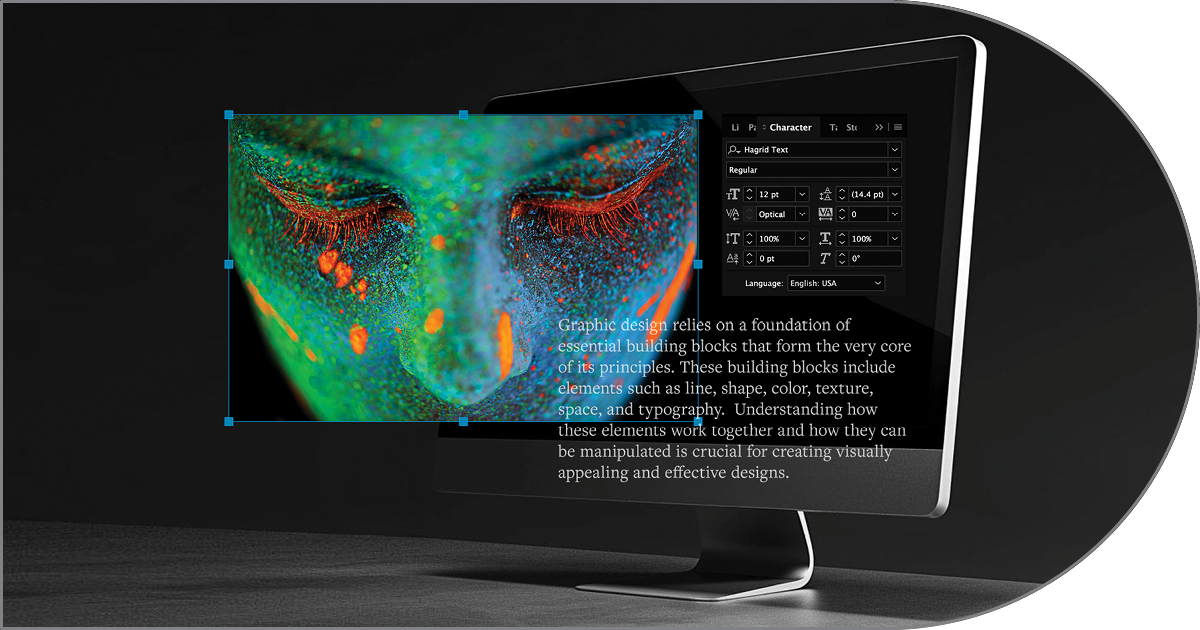
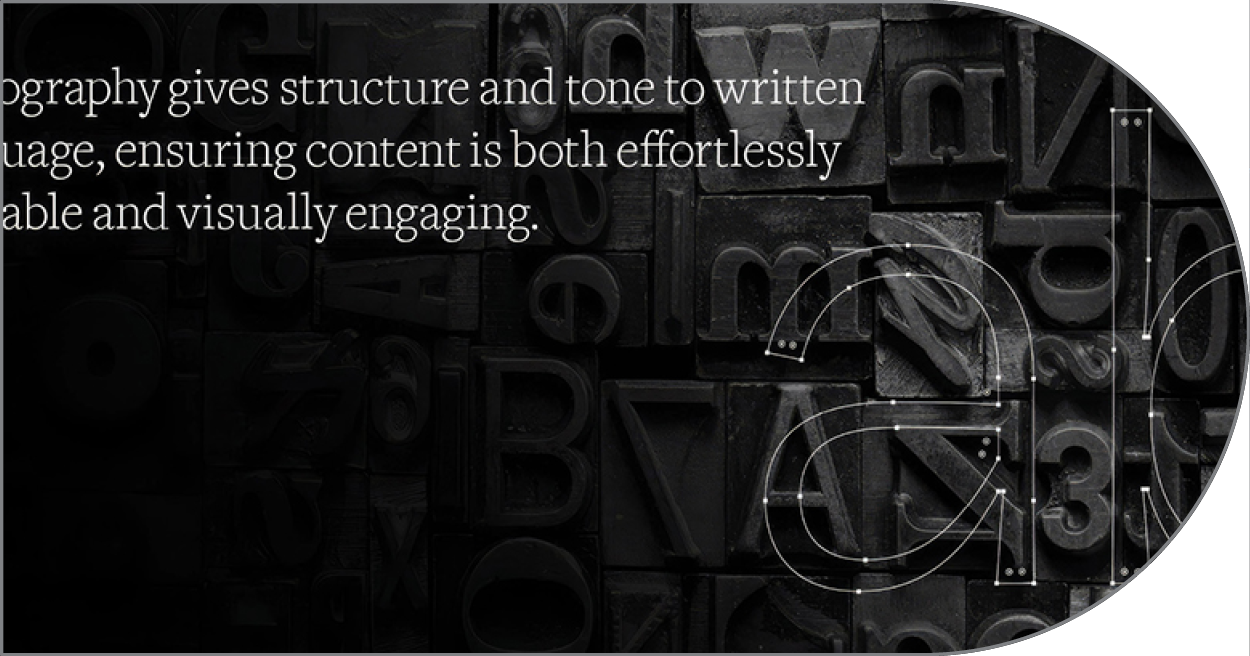
 Typography bridges these visual structures with verbal language, transforming static text into a powerful dynamic design element. Selecting, scaling, and pairing typefaces requires a delicate balance between functional legibility and stylistic personality.
  Micro-adjustments in leading, tracking, kerning, and column width directly dictate reading comfort, tone, and visual rhythm. When typography, spatial balance, color theory, and grid architecture align,
  these core building blocks cease to be isolated techniques; together, they form a unified design language capable of solving complex communication problems, clarifying information, and crafting memorable brand experiences.