PART 1 of 9
( See all at the bottom of this page )
“It’s all a matter of paying attention, being awake in the present moment, and not expecting a huge payoff. The magic in this world seems to work in whispers and small kindnesses.”.
Charles de Lint
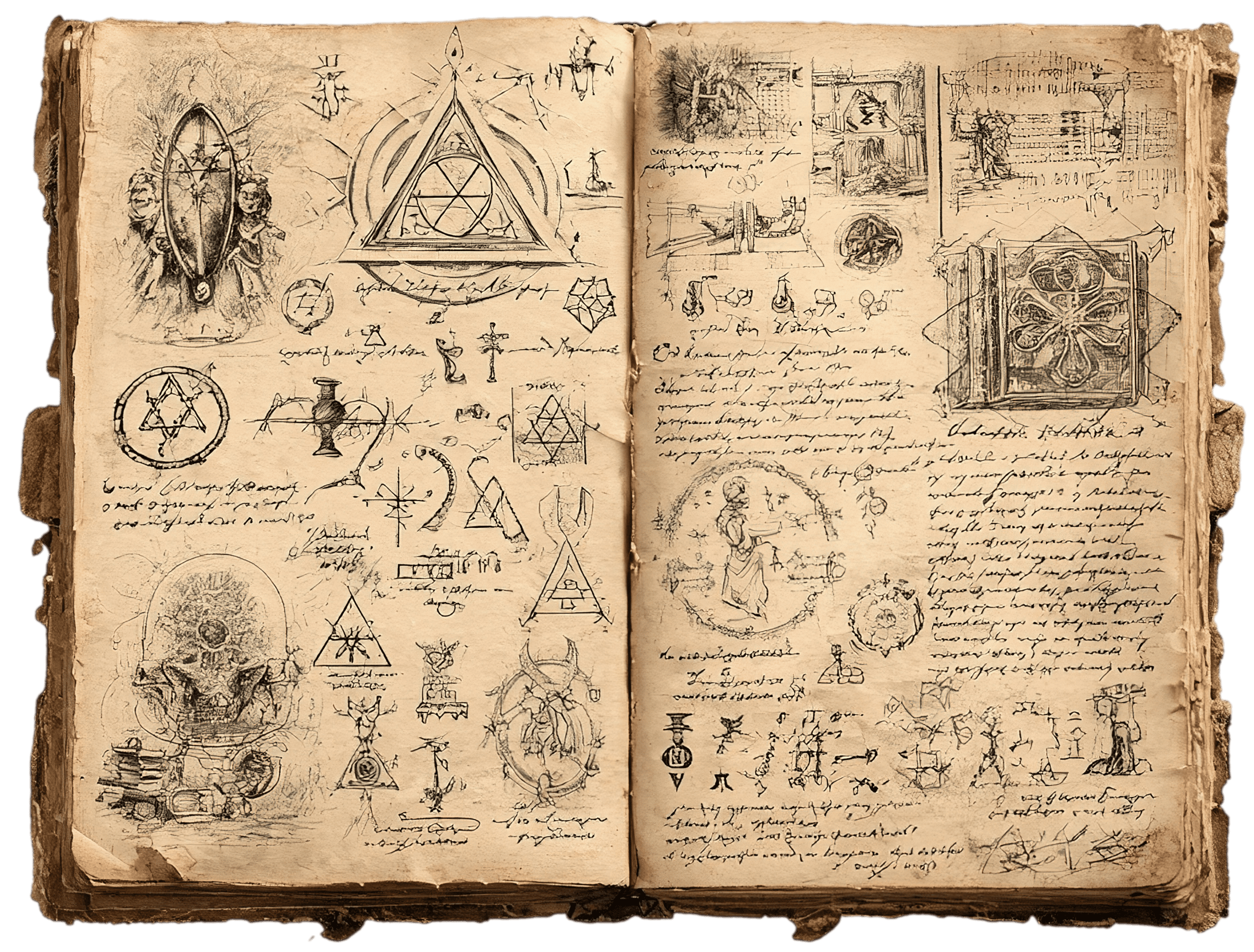
Magic and mysticism represent two distinct yet profoundly intertwined paths through which humanity has sought to understand, navigate, and experience the unknown. While magic often focuses on agency, ritual, and influencing the hidden mechanisms of the cosmos, mysticism seeks direct, transformative union with a supreme reality or divine source. Together, they form a rich tapestry of esoteric tradition, philosophy, and spiritual practice that spans nearly every culture and historical era.
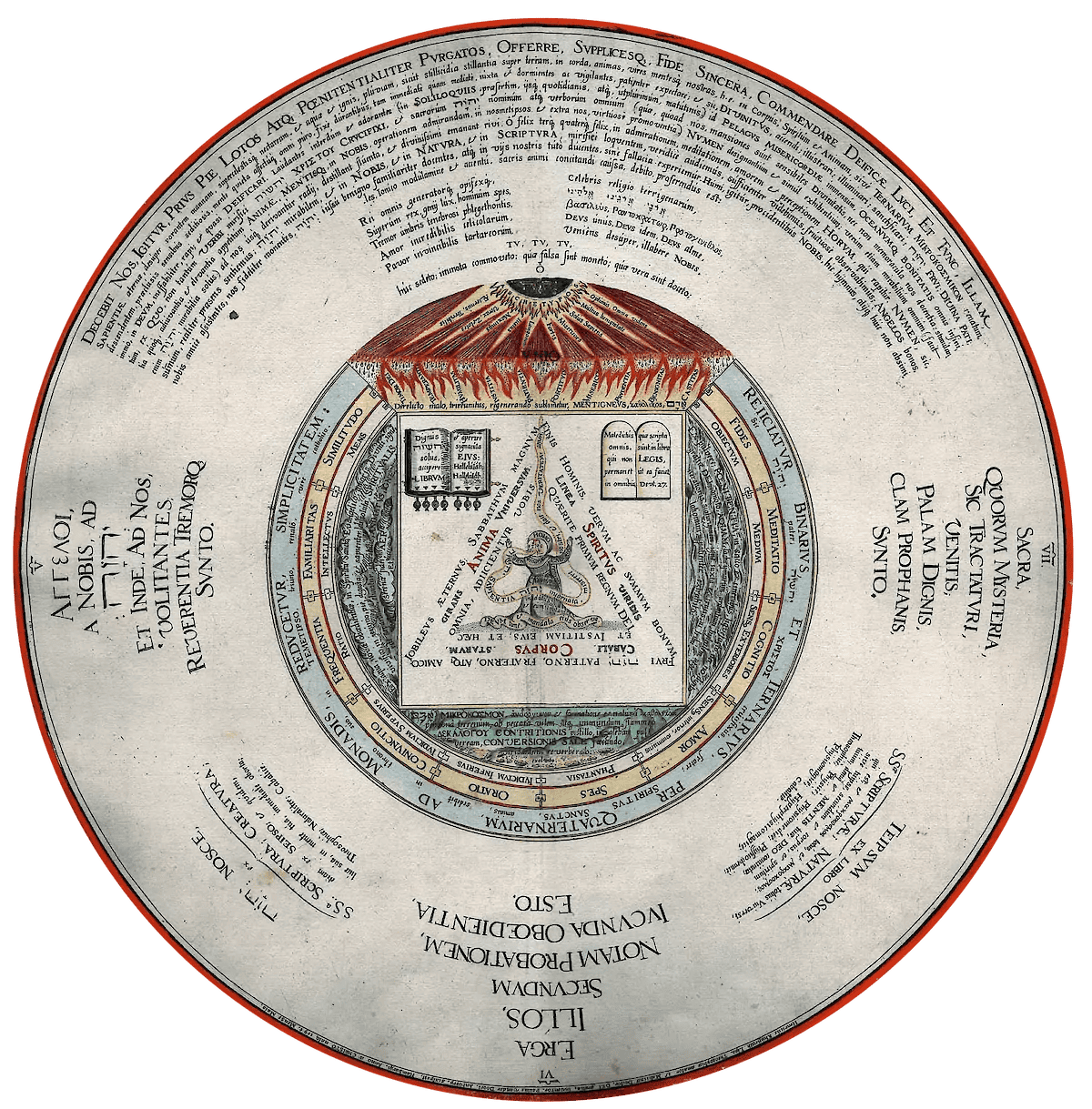
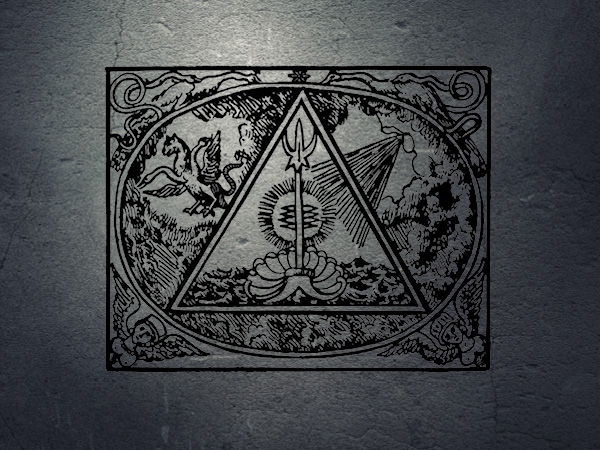
The Four, the Three, the Two, and the One is an Esoteric etching print created in 1595. This illustration, whose full title is Syzygy or the Conjunction of the Macrocosmic Unity with the Microcosmic Triunity, is one of four illustrated plates from the Amphitheatrum sapientiae aeternae (Amphitheater of Eternal Wisdom), an unusual, circular book on alchemy, written by the German physician, hermetic philosopher, and alchemist Heinrich Khunrath. Khunrath wrote the volume, and directed an engraver in its illustration, most likely either of the well-known Dutch printers Peter van der Doort or Hans Vredeman de Vries.
FAMOUS MAGICIANS
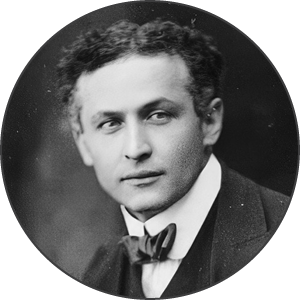
Harry Houdini, born Erik Weisz in Budapest in 1874, was an iconic Hungarian-American illusionist and stunt performer whose name became synonymous with sensational, life-defying escapes. Rising to international fame in the early 20th century, he captivated audiences by freeing himself from seemingly inescapable perils, including locked handcuffs, straightjackets while suspended high in the air, submerged milk cans, and locked water cells. Beyond his unprecedented physical strength, flexibility, and skill in lock-picking, Houdini was a master showman who understood the power of publicity and spectacle. Later in his career, he turned his sharp intellect toward debunking fraudulent spiritualists and psychics, insisting on scientific rigor and honesty in illusion. Before his sudden death on Halloween in 1926 from a ruptured appendix, Houdini transformed magic from simple parlor tricks into a major form of modern theatrical entertainment, cementing his legacy as one of the most famous performers in history.
“Magic is believing in yourself. If you can do that, you can make anything happen.”.
Wolfgang von Goethe