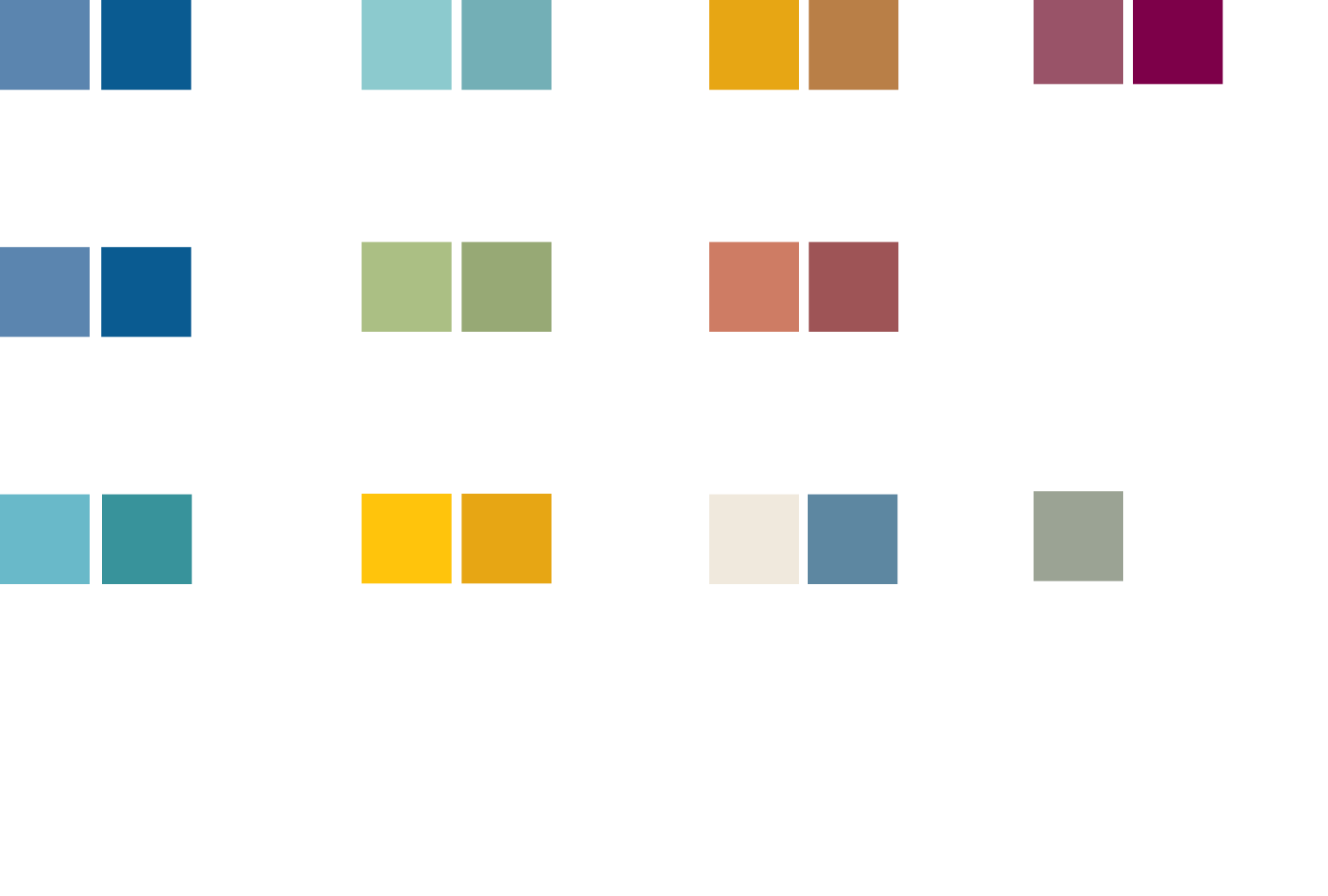
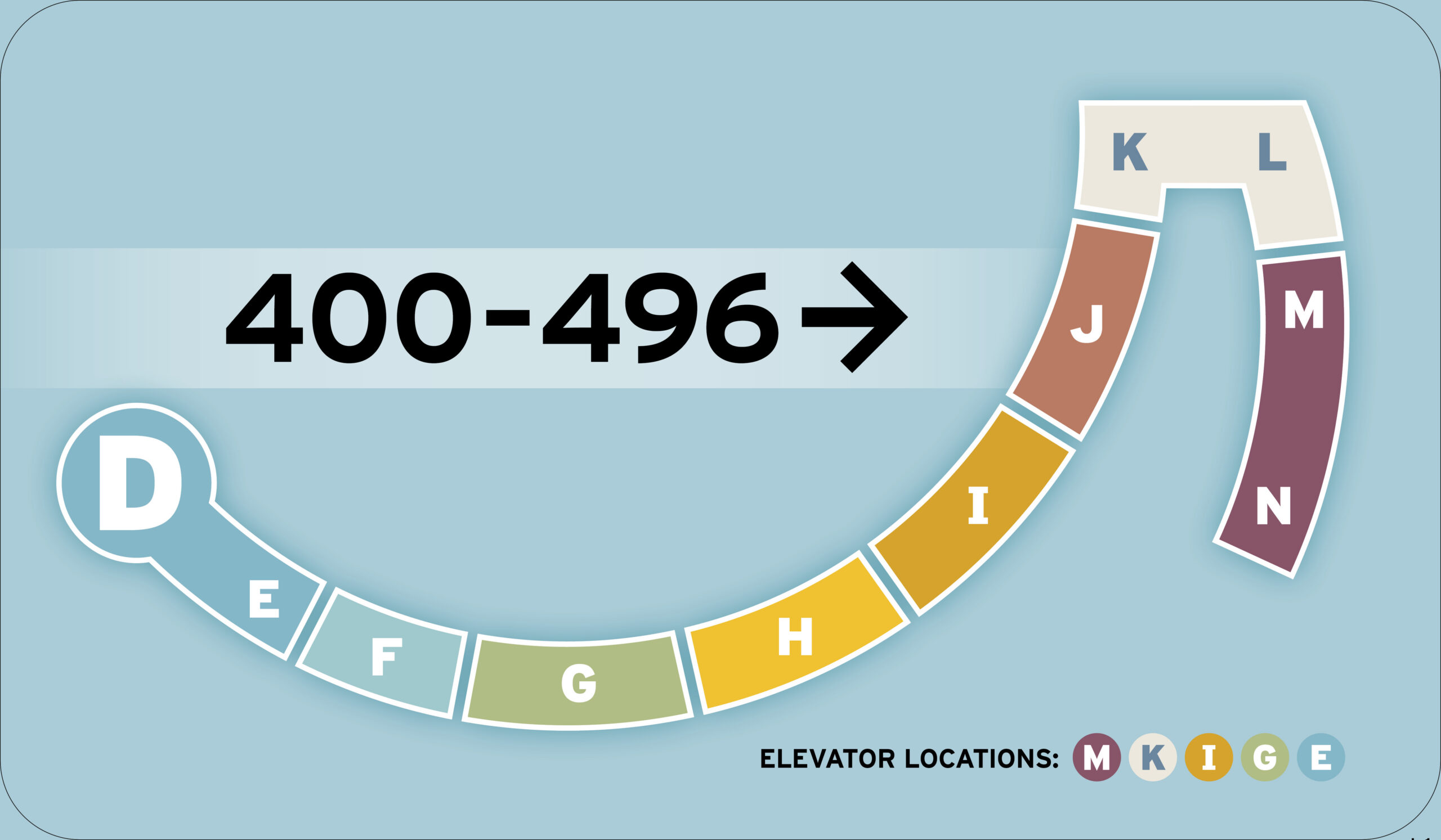
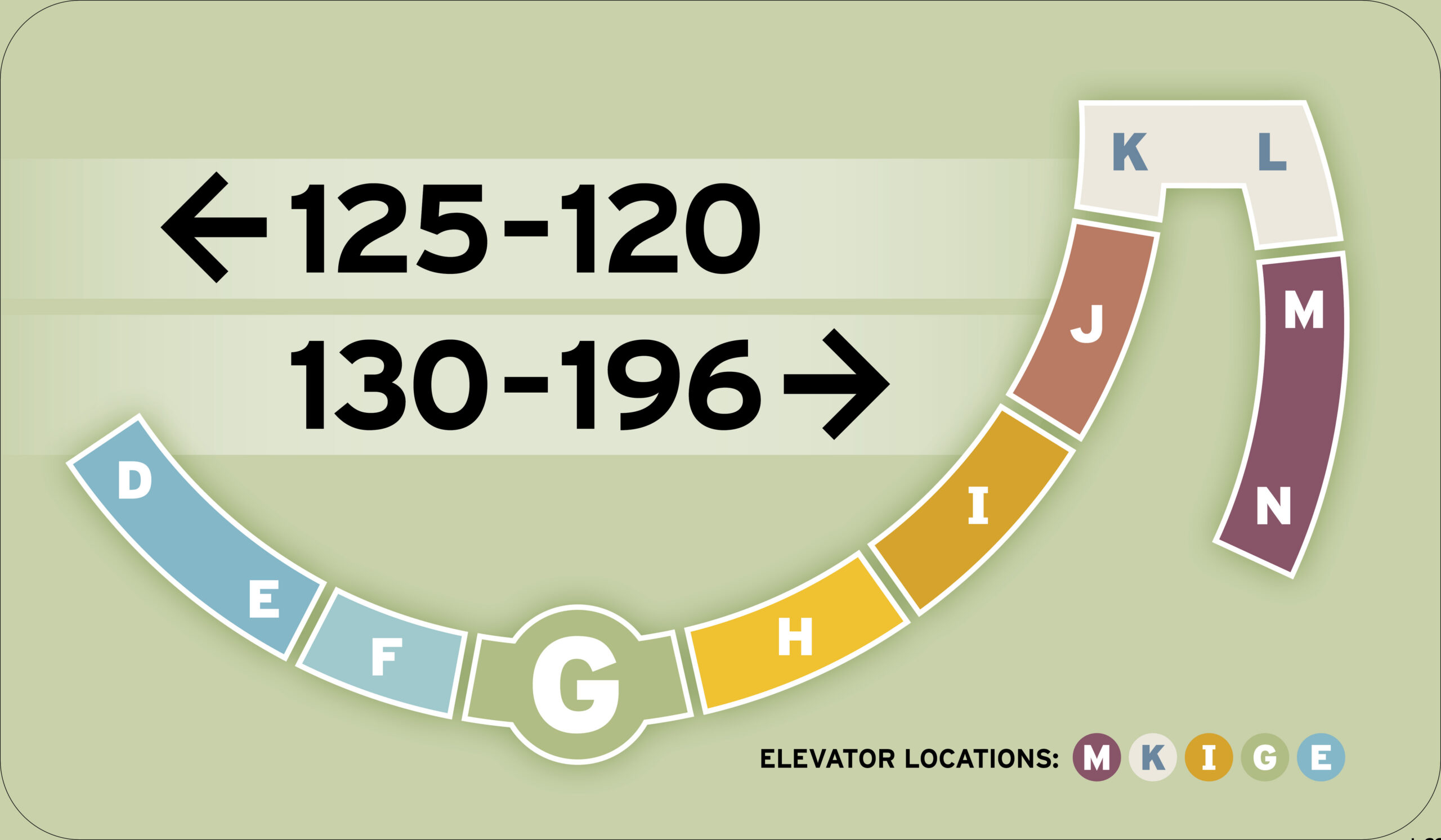
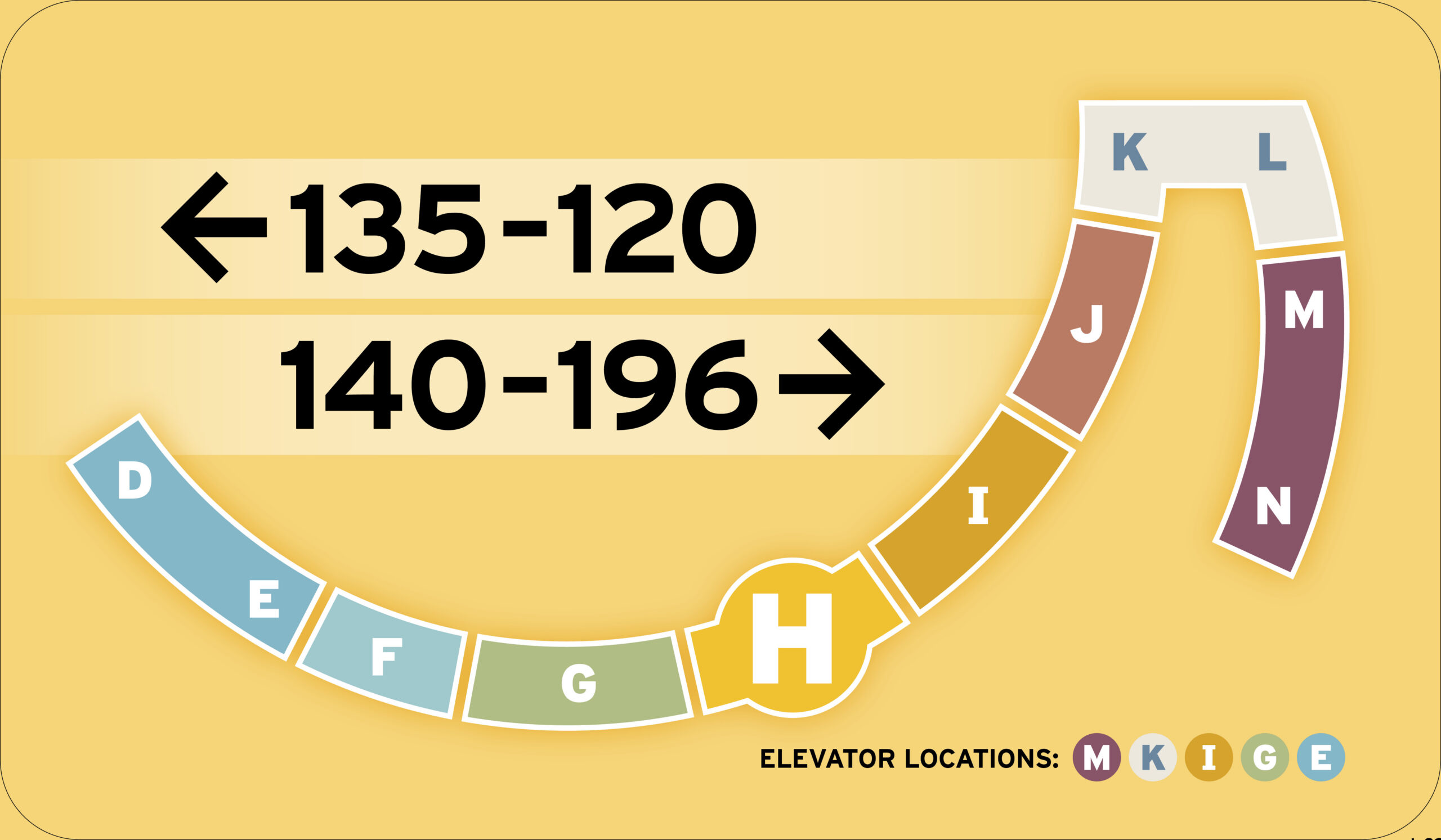
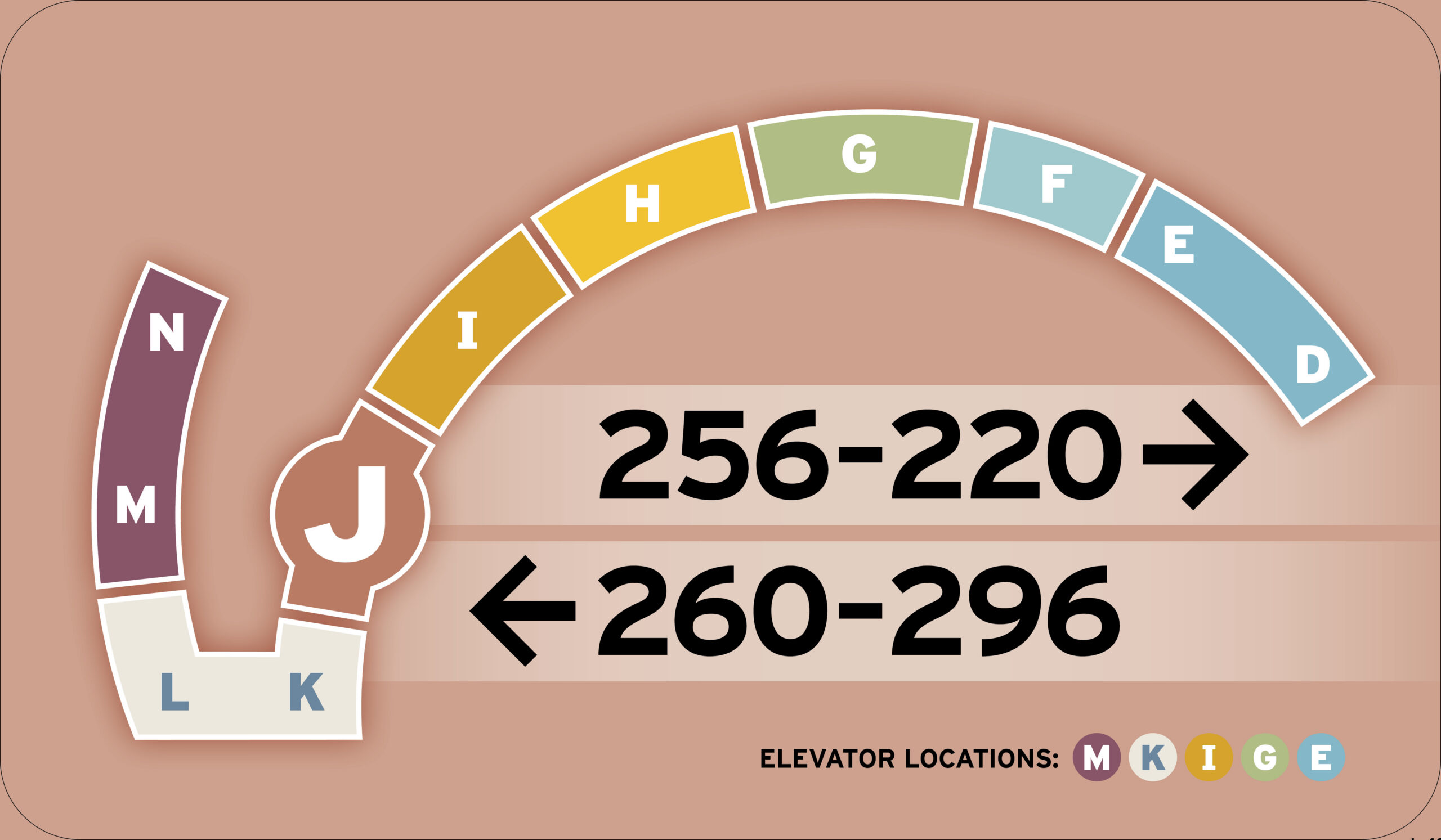
Graphic Design Building Blocks: Quinnipiac University “The Crescent” Wayfinding 1/3
Graphic Design Building Blocks 
Graphic Design Building Blocks: Wayfinding Part 1 of 3

Bill Burnett
QUINNIPAC UNIVERSITY EXTENSIVE STANDARDS MANUAL FOR THE CRESCENT DORMITORY
Graphic design is the art of visual communication, blending strategy, technology, and aesthetic expression to translate ideas into engaging visual form. At its core, graphic design isn’t just about making things look pretty; it is a structured problem-solving discipline. Designers use elements like typography, color, shape, and imagery to guide a viewer’s attention, evoke specific emotions, and clarify complex messages. Whether it’s a striking billboard, a clean mobile app interface, or an understated book cover, good graphic design operates as an invisible hand that shapes how we understand and interact with the world around us.
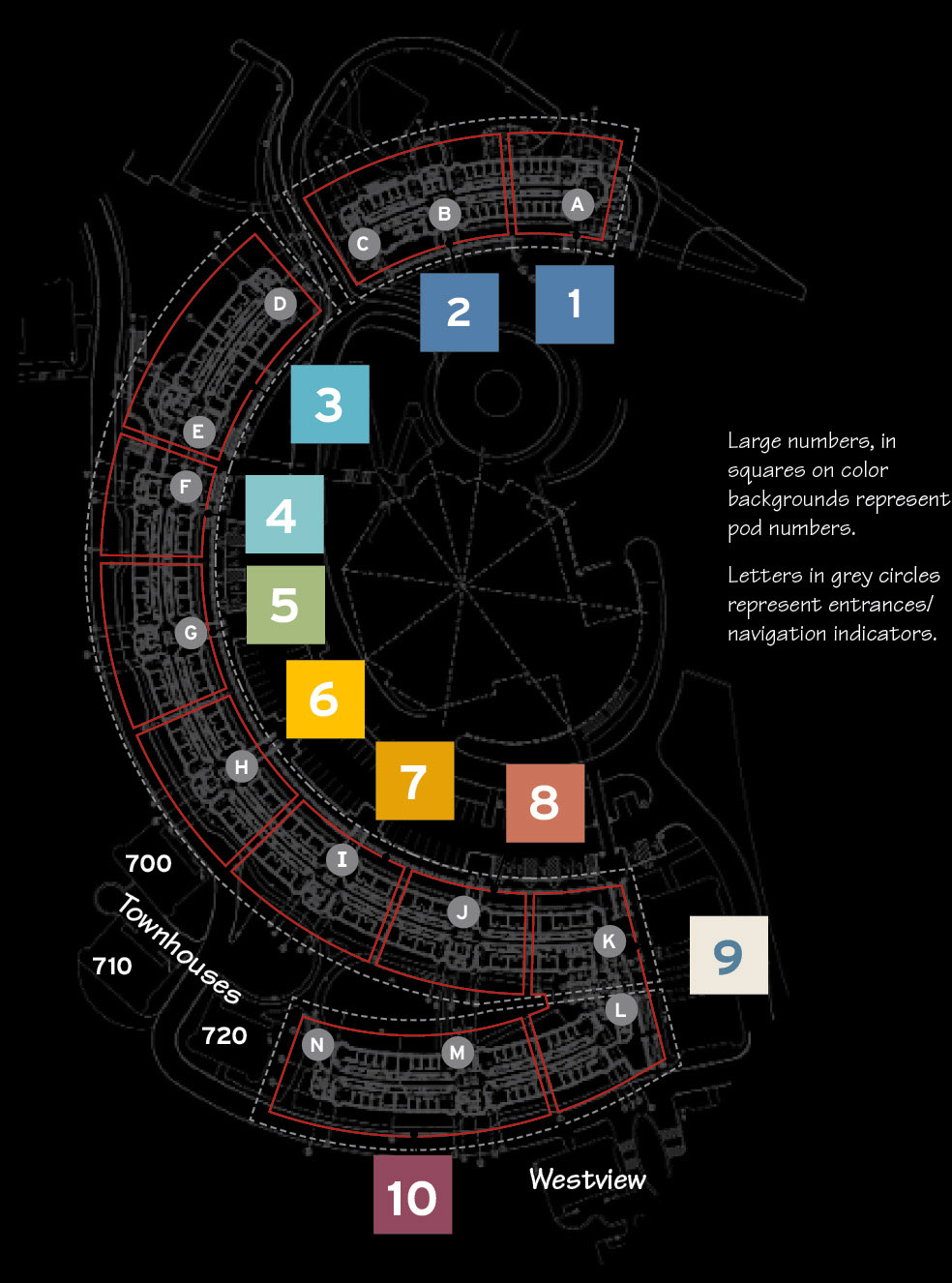
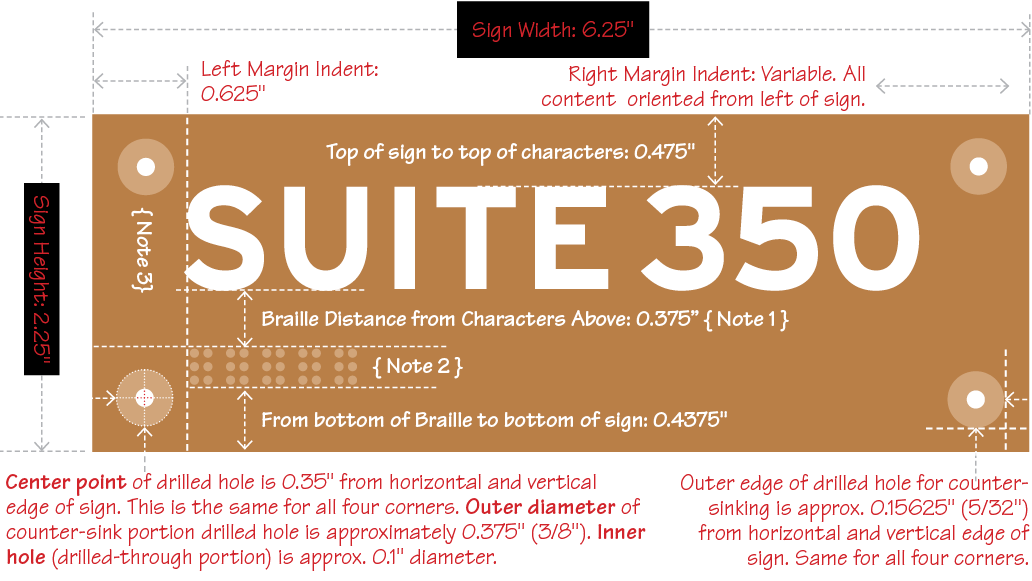
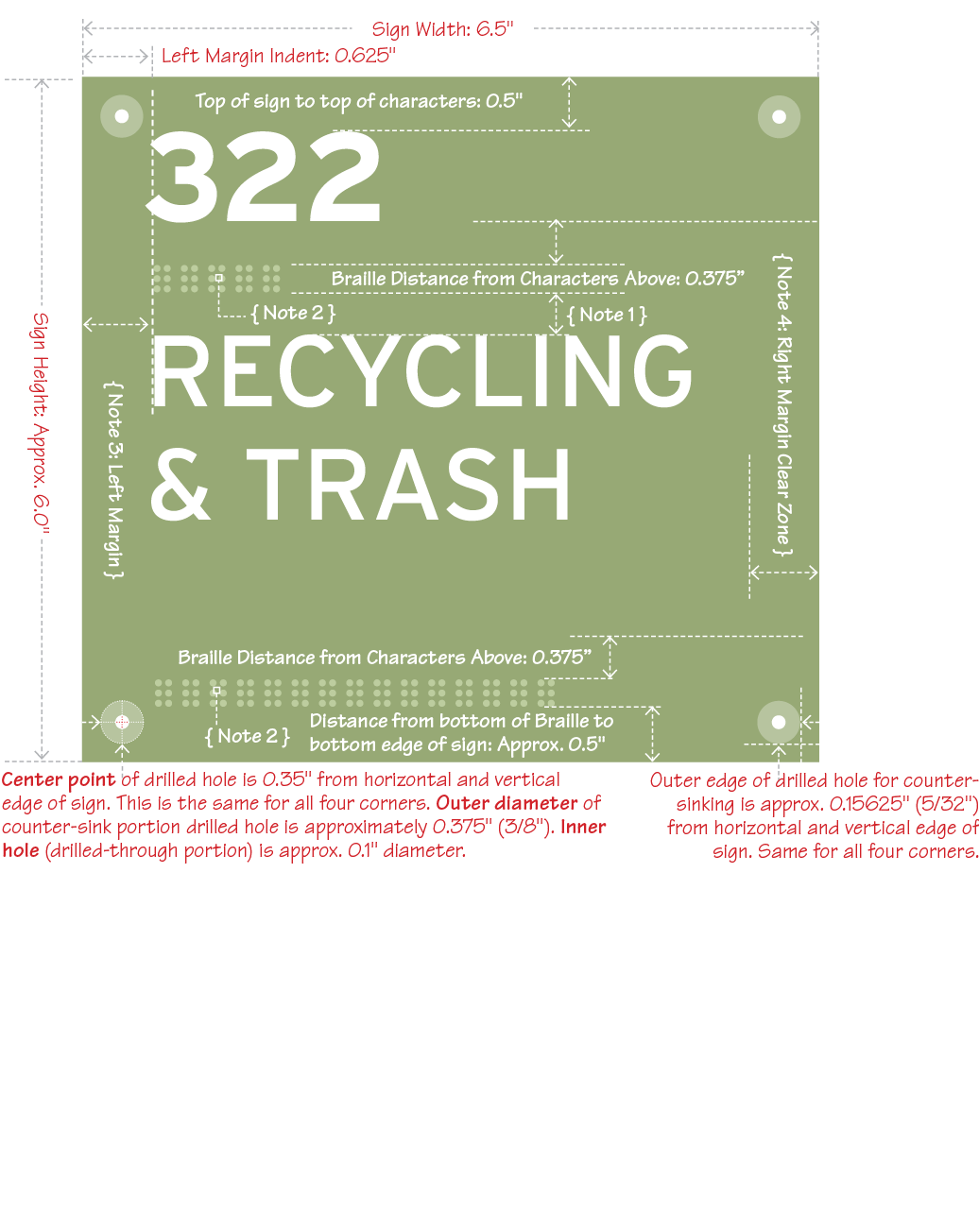
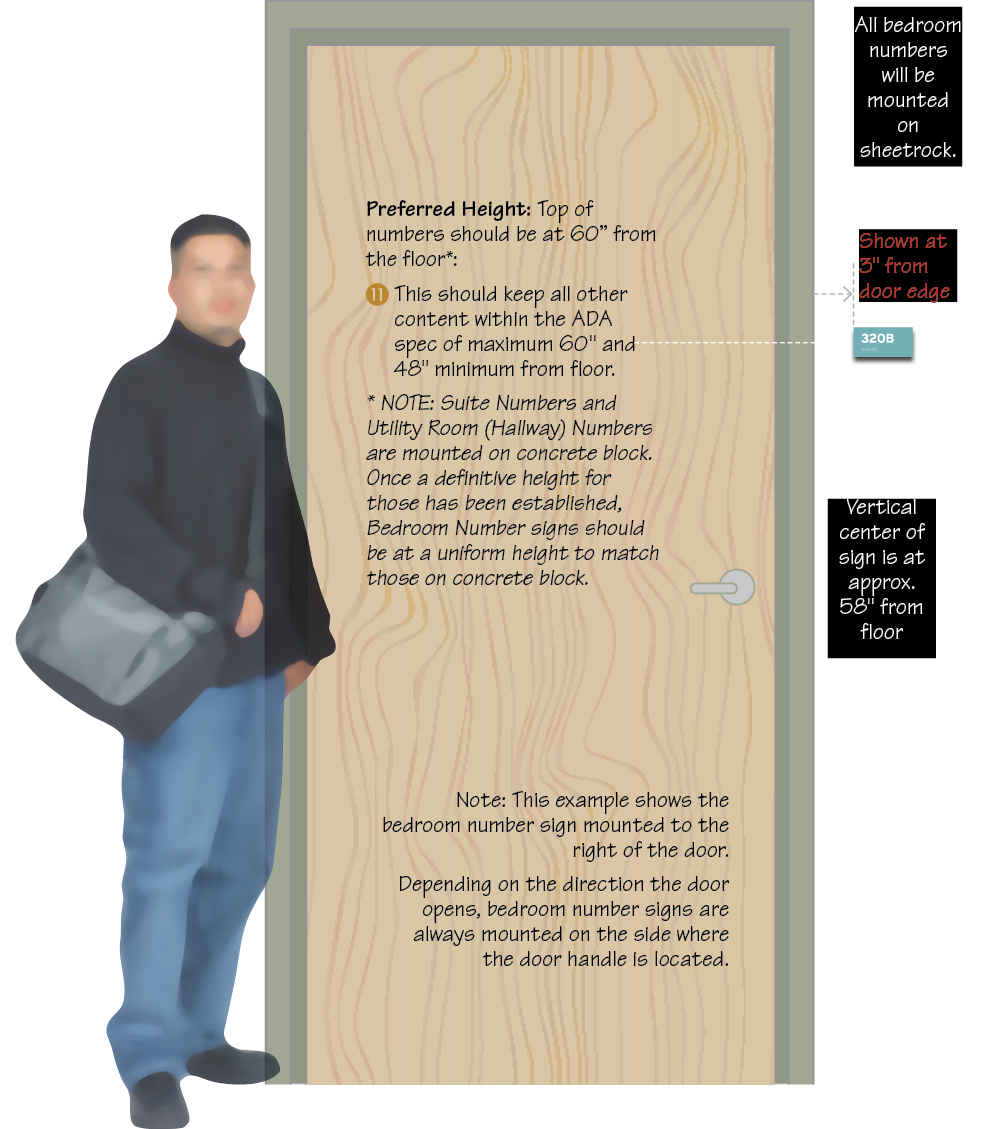
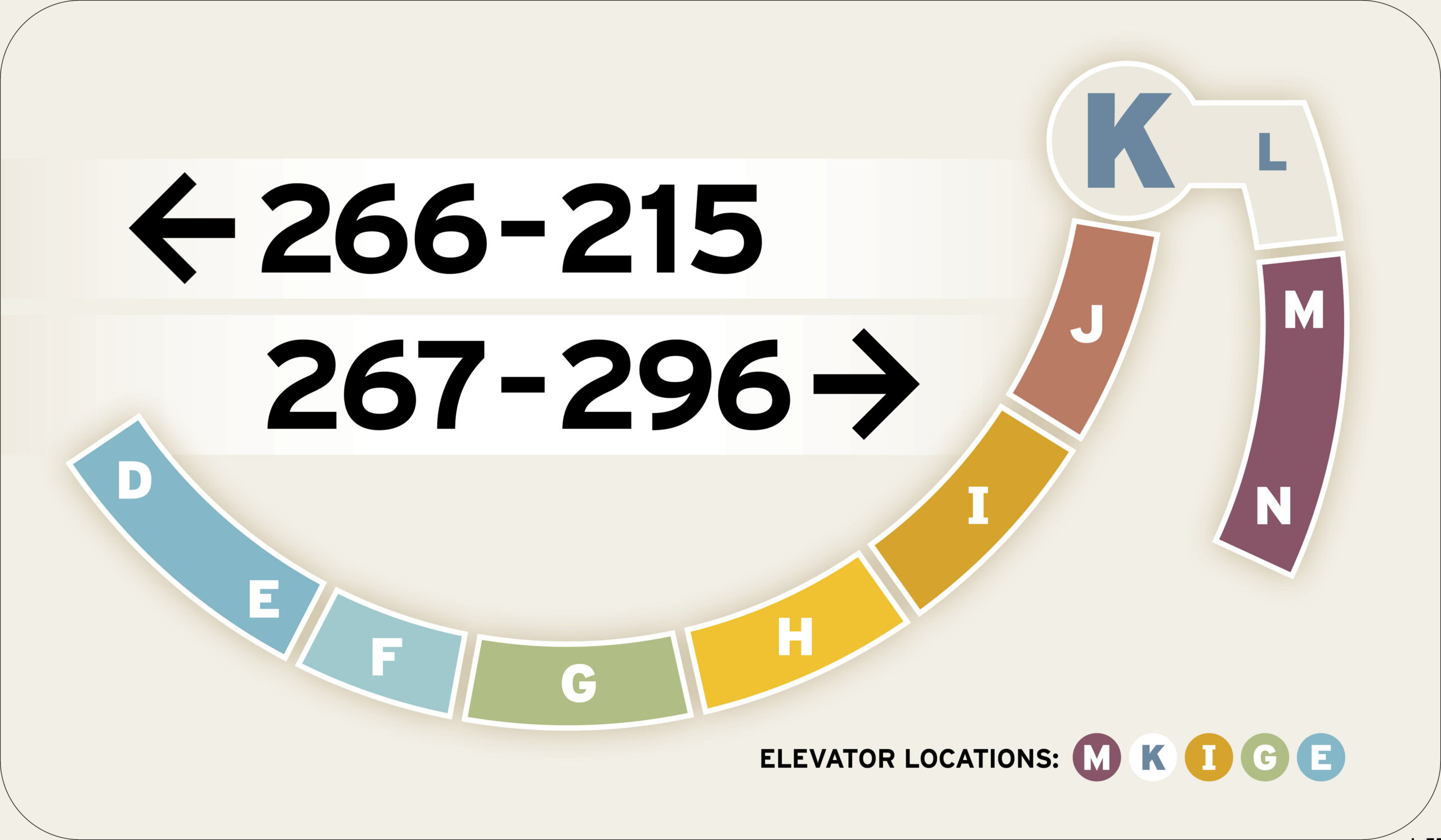
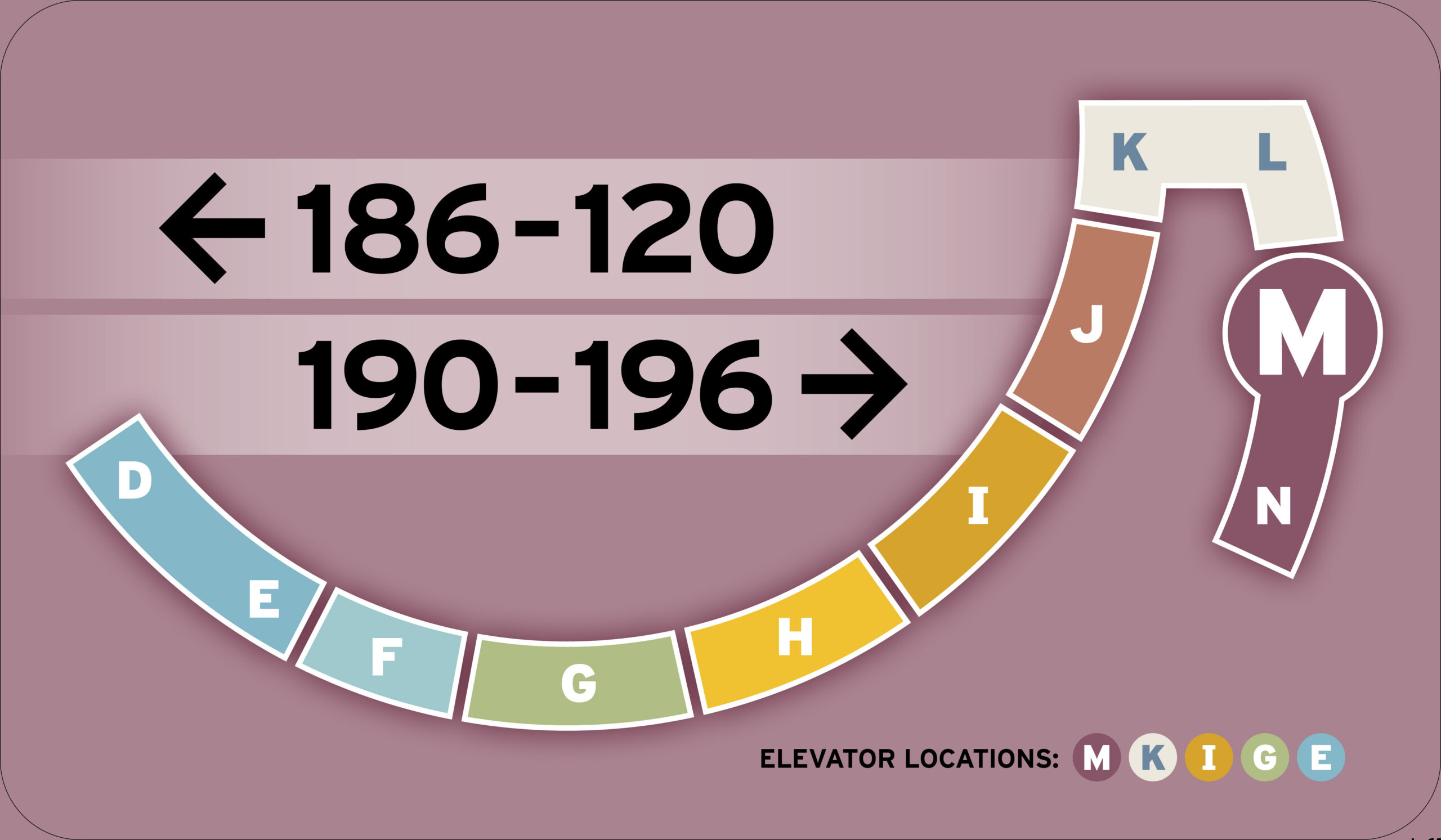
Below: One of dozens of “chapters” in the Quinnipiac University wayfinding manual. Click below to see the whole chapter.
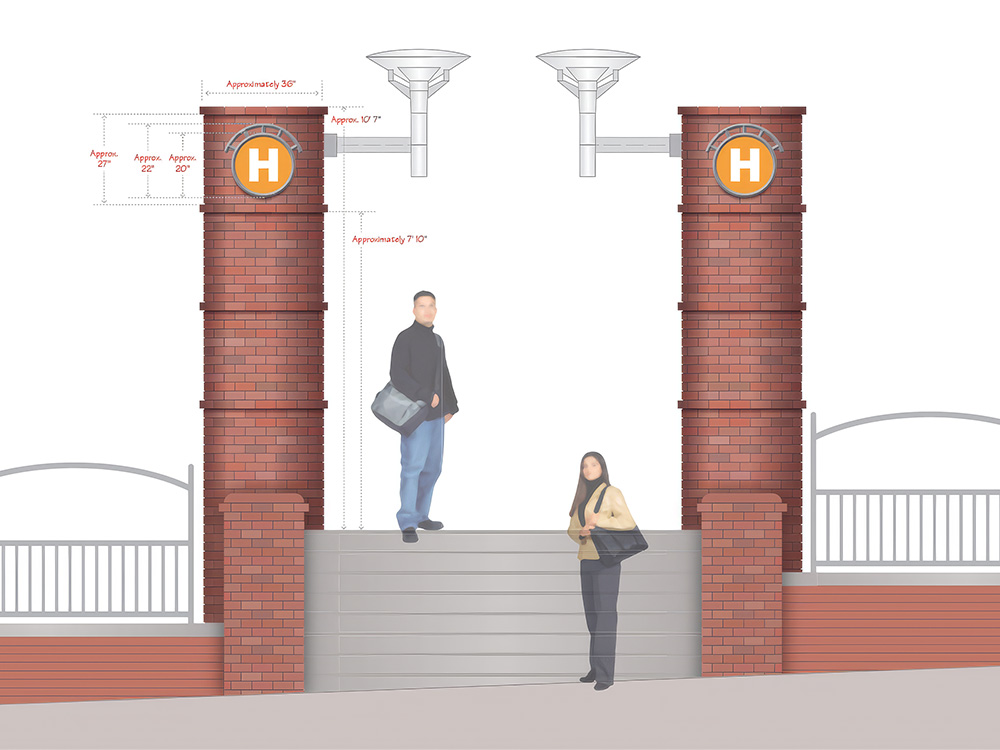
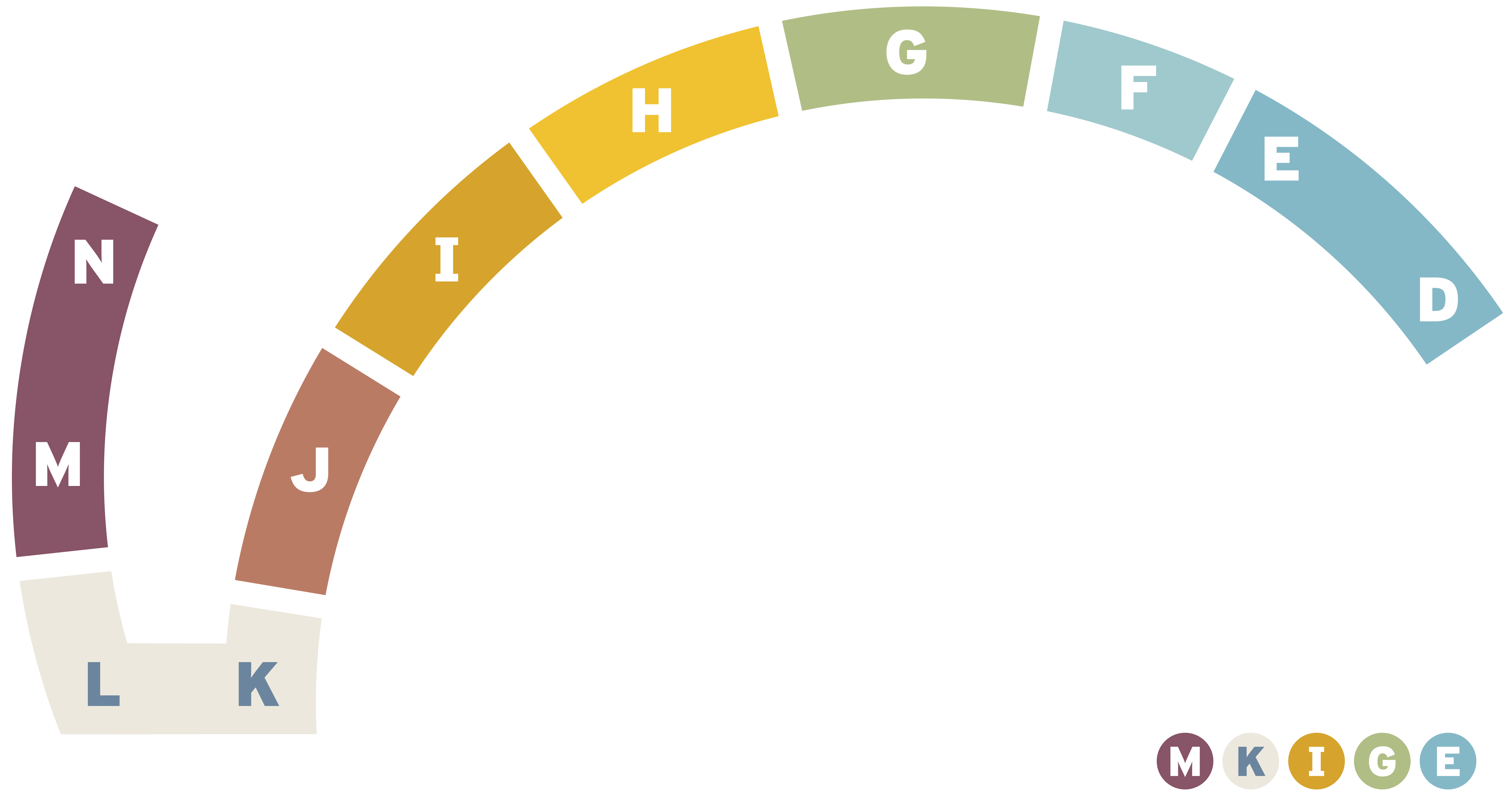
Below: 1. The “crescent” prior to adding exterior signage. 2. The exterior letters. 3. The layout of the “crescent” .






Learn More About the Building Blocks of Graphic Design


At the heart of graphic design lies creativity, an imaginative problem-solving process that transforms raw ideas into captivating visual concepts by harmonizing color, composition, and metaphor to communicate complex stories, break through digital noise, and inspire action.
Graphic design relies on vector graphics for logos, typography, and illustration because their mathematical, point-and-path construction allows visuals to scale infinitely.
hen using spot colors, printers use premixed custom inks—such as Pantone shades—to ensure exact color accuracy and consistency across different printed materials.