Mola Art and Panama (1/3)







PART One of Three

“I think being born in Panama was a blessing because Panama is a port city. It’s a really-the mentality is that-I remember that of admitting things in. You know, ports, ideas come in and out all the time.”
Ruben Blades
Introduction: I discovered the “mola” art of the Guna Indians of Panama (and Northern Columbia, South America) while searching for something else. I found their story fascinating and share it here now.
Mola Artwork Gallery
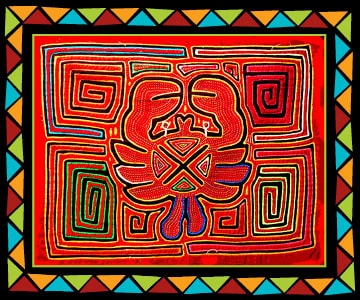
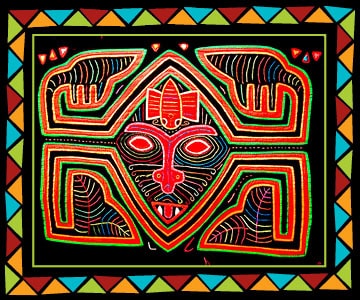
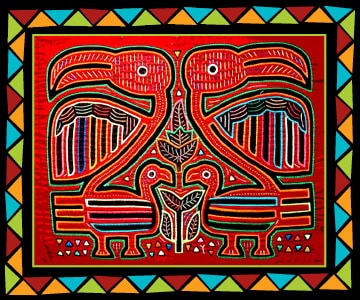
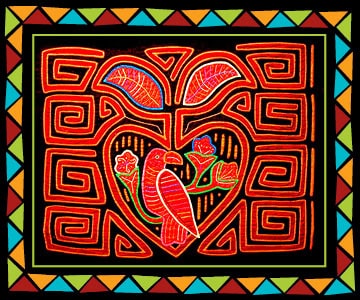
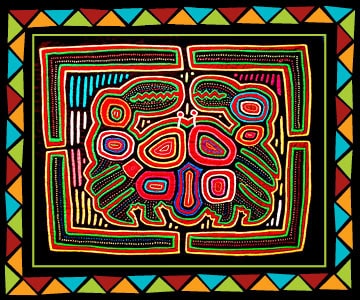
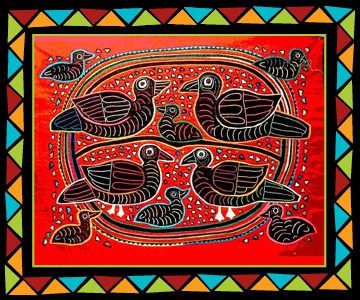
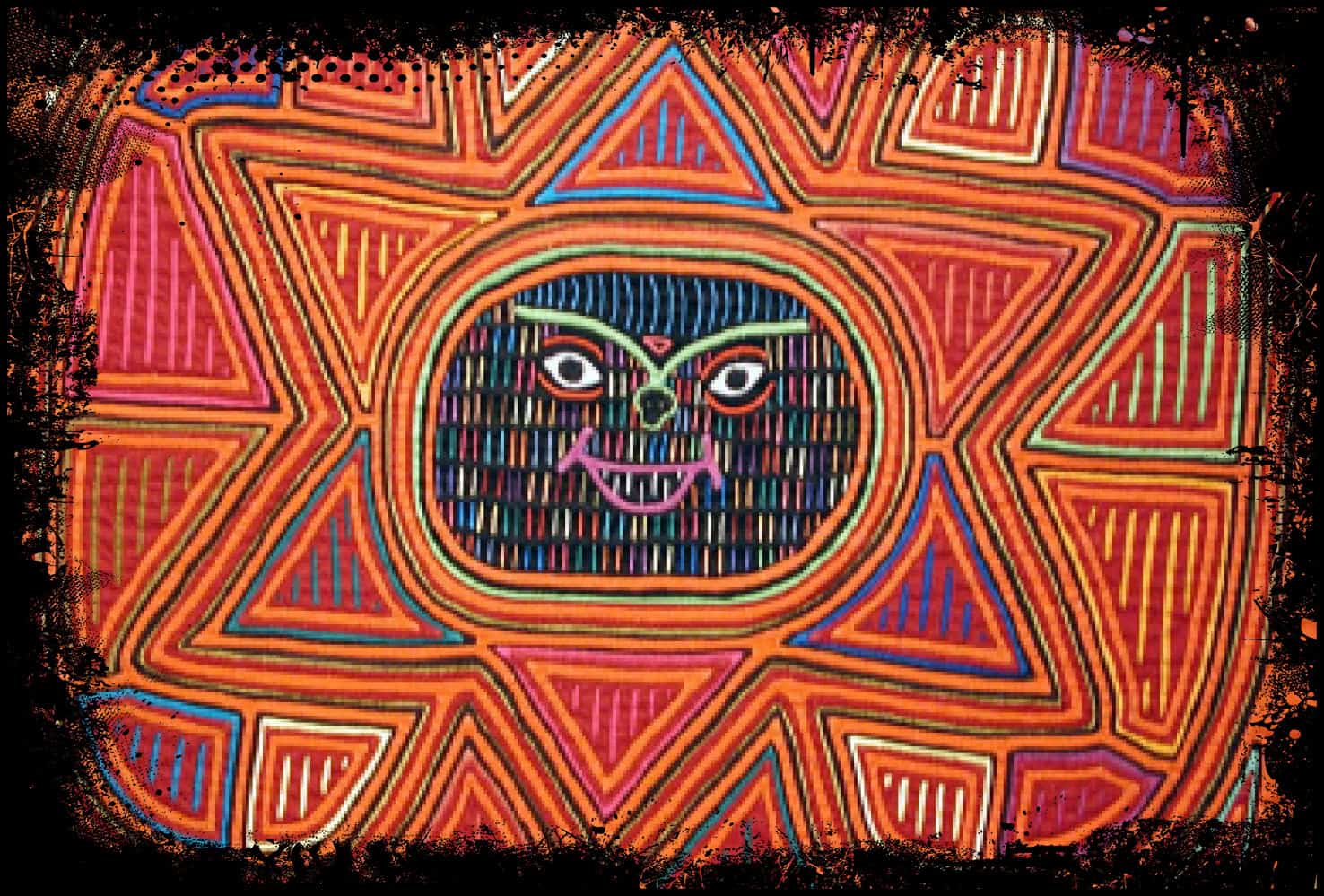
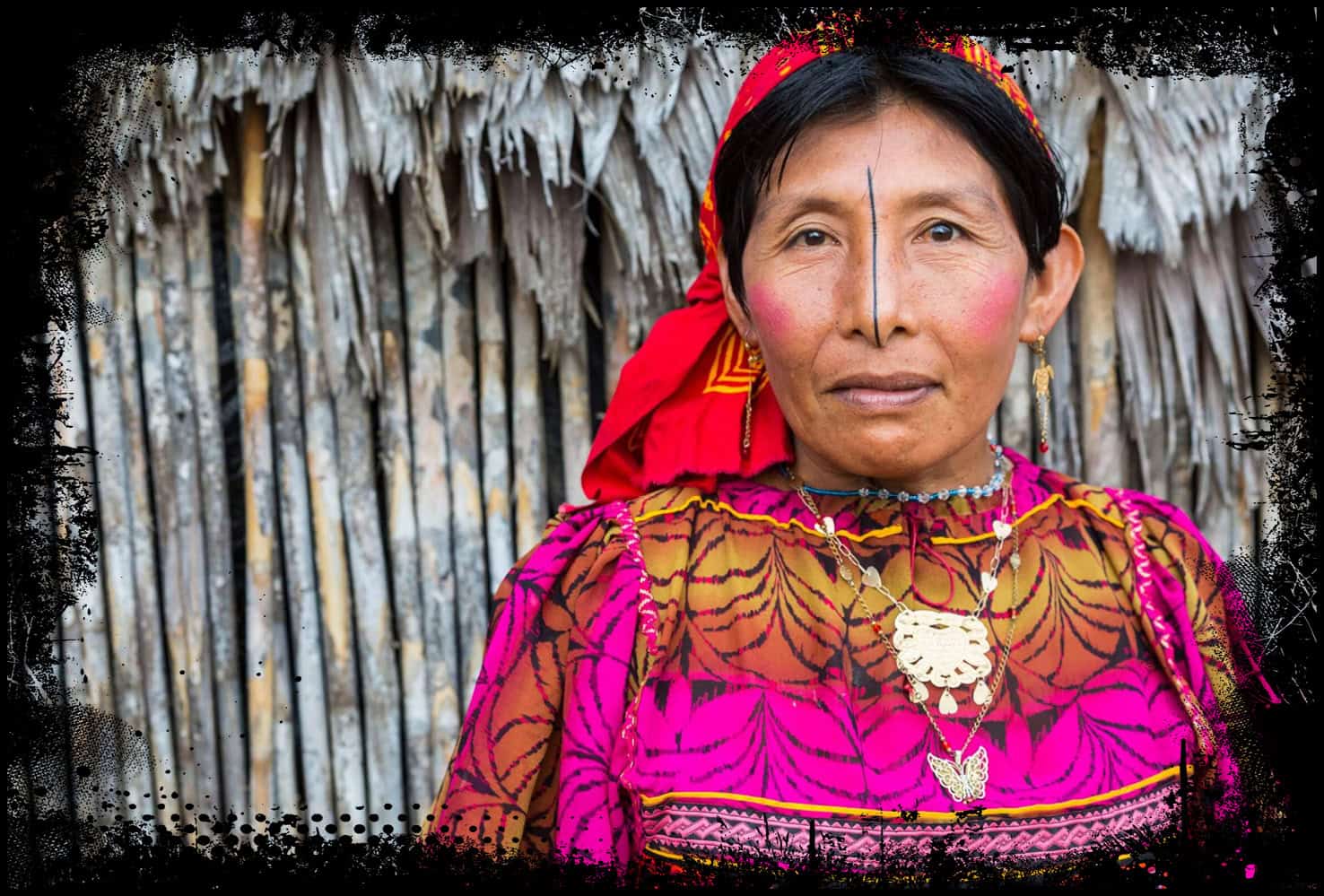
The mola or molas, forms part of the traditional outfit of a Guna* woman in Panama. Two mola panels belong together as front and back panels in a blouse. The full costume traditionally includes a patterned wrapped skirt (saburet), a red and yellow headscarf (musue), arm and leg beads (wini), a gold nose ring (olasu) and earrings in addition to the mola blouse (dulemor). In Dulegaya, the Kuna’s native language, “mola” means “shirt” or “clothing”. The mola originated with the tradition of Kuna women painting their bodies with geometric designs, using available natural colors; in later years these same designs were woven in cotton, and later still, sewn using cloth bought from the European settlers of Panamá. Below: a Guna woman wearing her mola. (Photo below: A Guna Indian woman wearing a mola.) *Also known as Kuna or Cuna.
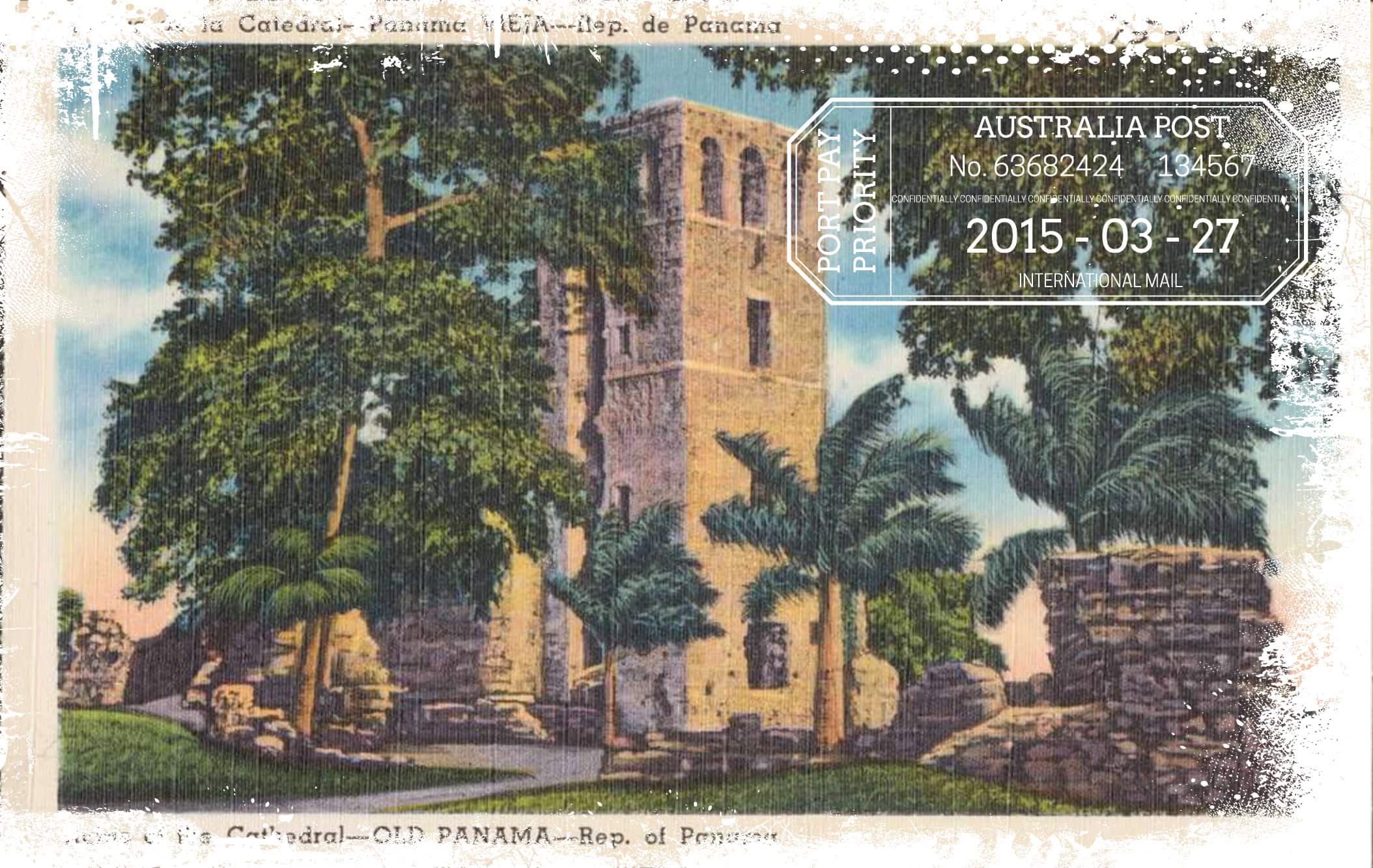
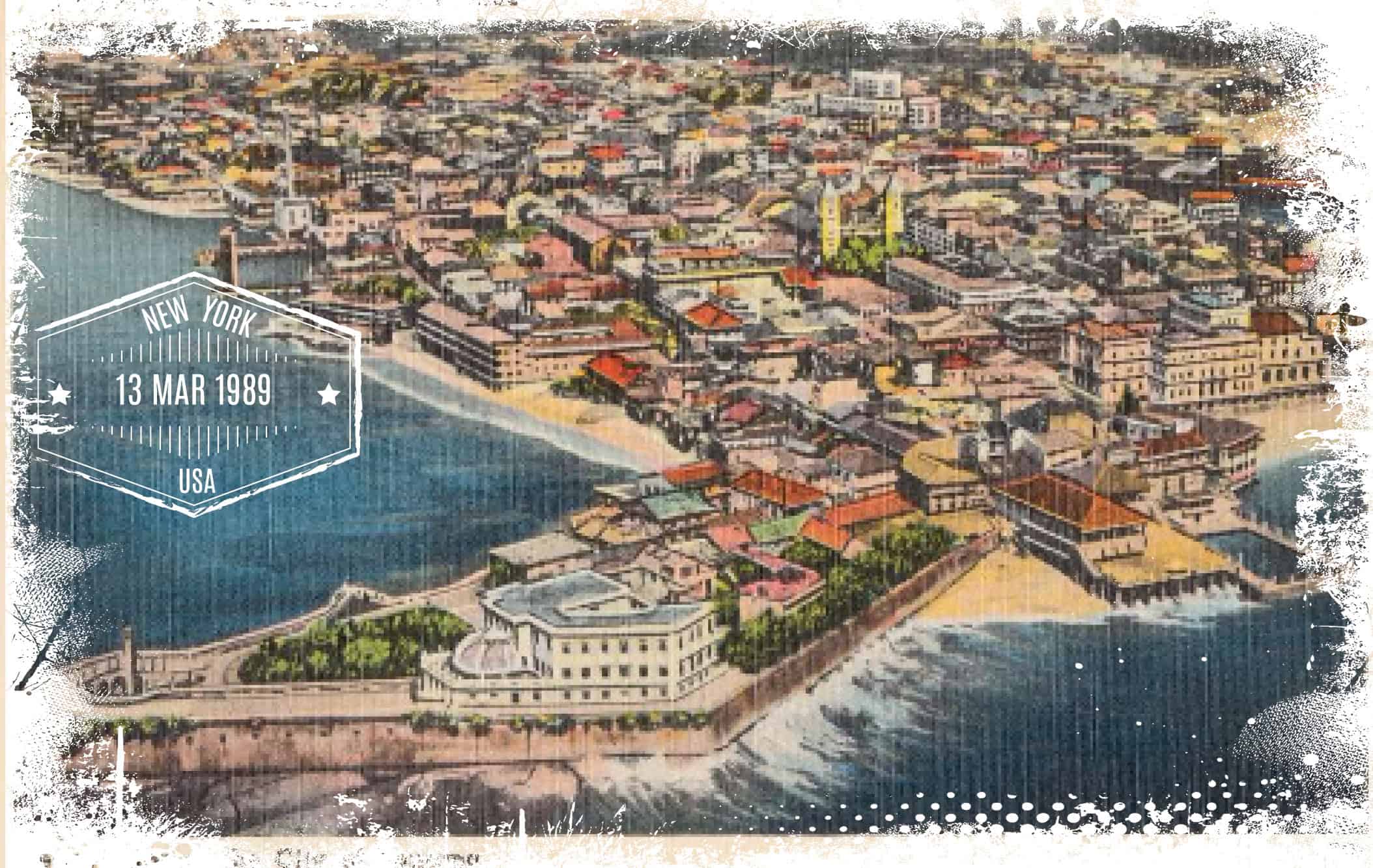
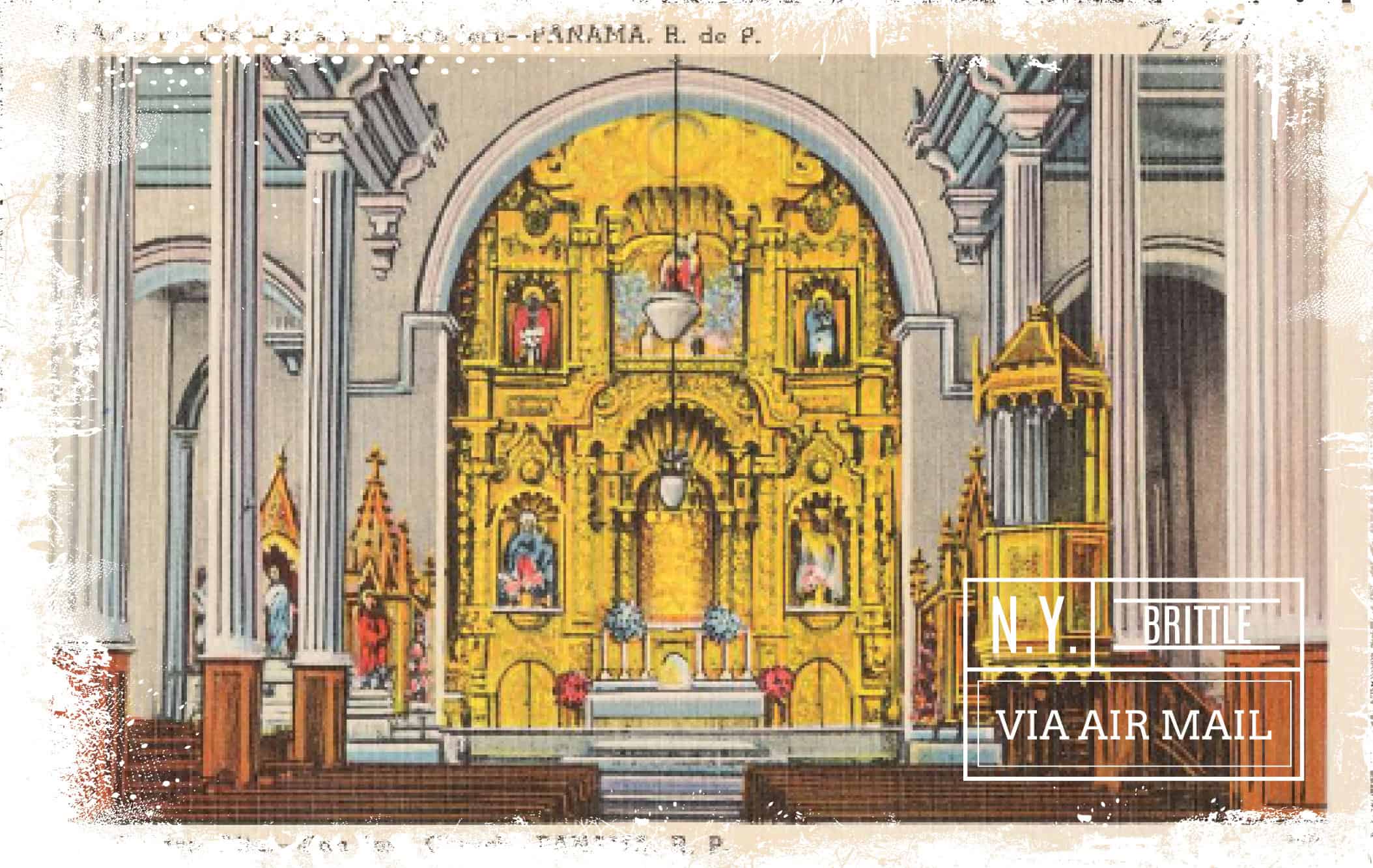
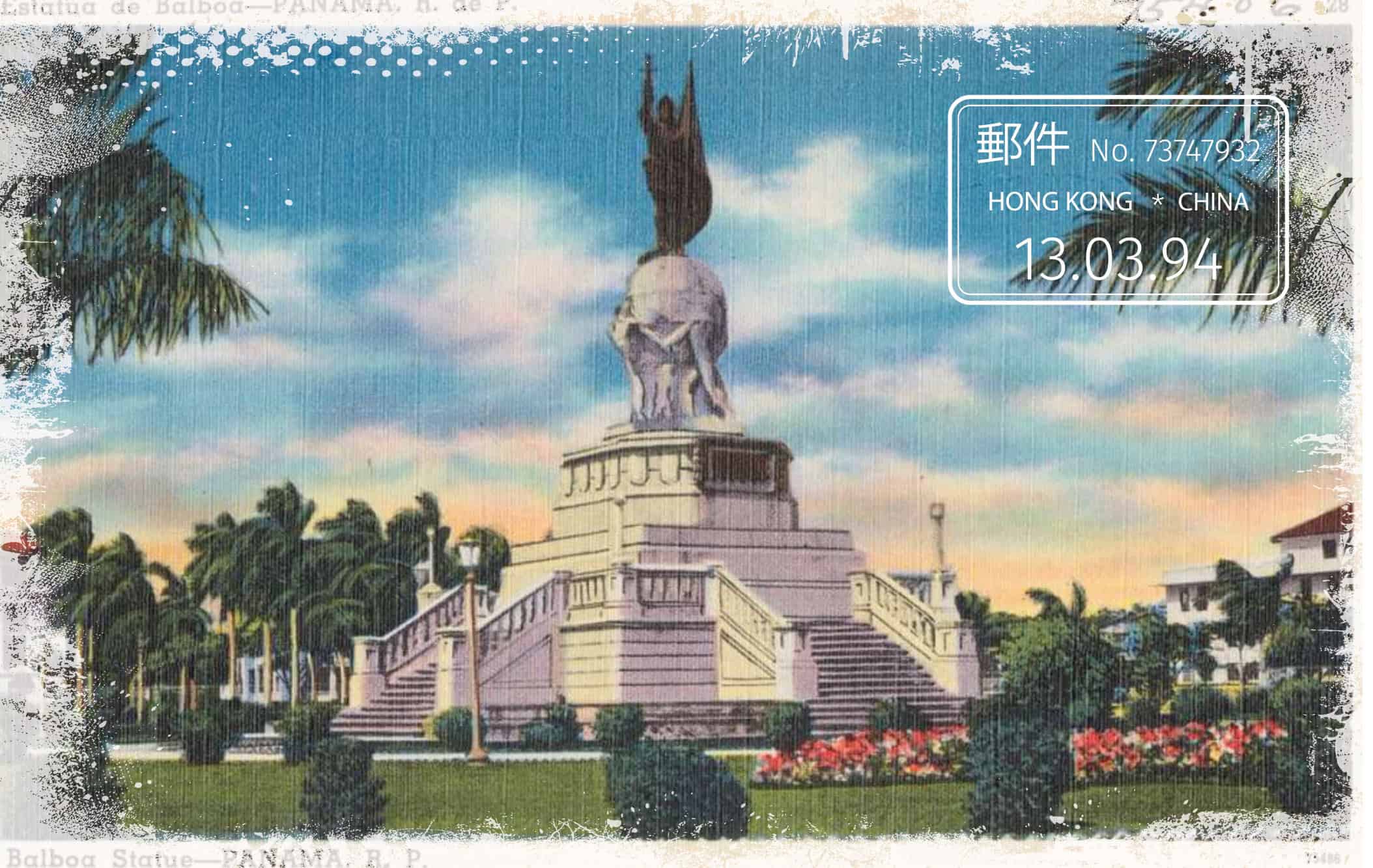
Old Postcards from Panama
Symbols from Pre-Columbian Panama

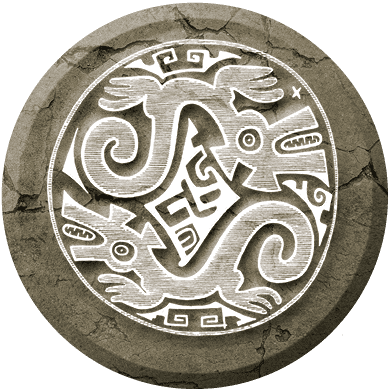
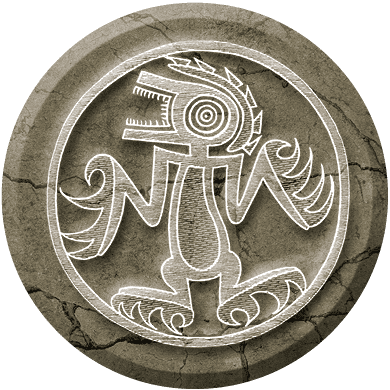
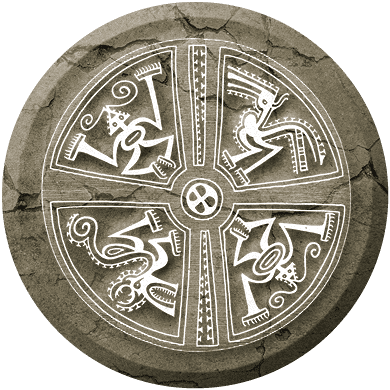
In the ancient Gran Coclé culture of central Panama, intricate gold plaques often featured composite “creature” motives that blended human features with the clawed limbs, fangs, and bifurcated tongues of jaguars or caimans to symbolize shamans undergoing supernatural transformations.
Avian iconography, particularly raptors and harpy eagles with wide, sweeping wings and pronounced beaks, frequently appeared as gold cast pendants worn by elite leaders to signify elevated celestial status and predatory authority.
Pottery from regions like Gran Chiriquí prominently incorporated geometric scrollwork, interlocking spirals, and saw-toothed bands that represented the fluid movement of rivers, ocean currents, and the cyclical order of nature.
Duality was another central theme in Pre-Columbian Panamanian visual arts, frequently expressed through double-headed animal ornaments, mirrored zoomorphic silhouettes, and split-color ceramic painted motifs that reflected the balance between opposing cosmic forces like light and dark or life and death.
The Birds of Panama
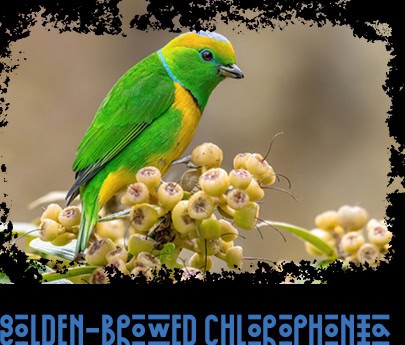
The Golden-browed Chlorophonia (Chlorophonia callophrys) is a plump, brilliantly hued finch native to the cool, mist-shrouded canopy levels of mountain cloud forests in Costa Rica and western Panama. Renowned for its striking, jewel-toned plumage, the male features a vivid leaf-green back, a glowing yellow belly, and a pale violet-blue ring accentuating its nape and eye, complemented by the bold golden-yellow brow band that gives the species its name. Operating primarily in pairs or small family groups, these canopy dwellers feed heavily on mistletoe berries and wild figs, playing a vital role as seed dispersers in their high-altitude ecosystems. Though their high-pitched, piping calls often echo through the mossy branches before they are seen, their dazzling coloration makes them one of the most sought-after avian highlights for birdwatchers exploring the Central American highlands.
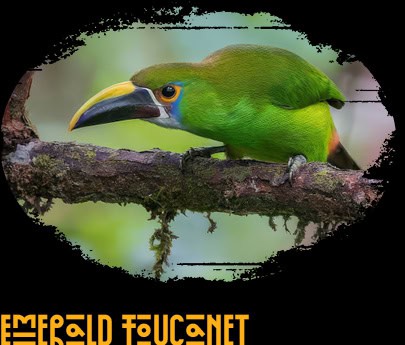
The Emerald Toucanet (Aulacorhynchus prasinus) is a compact, vibrant green toucan native to the humid montane forests and woodland edges of Mexico and Central America. Instantly recognizable by its rich, grass-green plumage and oversized, two-toned bill—typically marked with striking yellow along the upper ridge and black on the lower mandible—it blends seamlessly into the moss-draped forest canopy. Highly social and energetic, these birds usually move in small groups, foraging for fresh fruit, berries, insects, and small reptiles. Their loud, rhythmic frog-like croaks and dry rattle calls often announce their presence long before they leap into view, making them a charismatic and iconic sight across Neotropical cloud forest ecosystems.
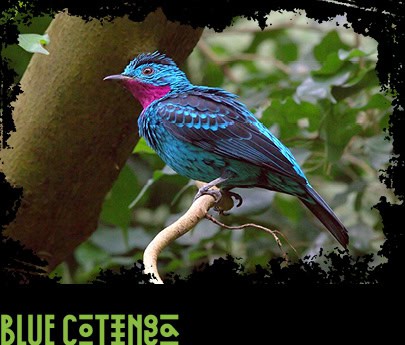
The Blue Cotinga (Cotinga nattererii) is a breathtaking, stocky passerine native to the humid lowland forest canopies of southern Central America and northwestern South America. Renowned for its extreme sexual dimorphism, the male sports an astonishing electric turquoise-blue plumage accented by a deep purple-black patch across his throat and belly, paired with dark wings and tail, while the female wears a subtle, brownish scalloped pattern designed for concealment. Spending nearly all of their time high in the uppermost foliage of tropical rainforests, these frugivorous birds feed primarily on ripe forest fruits, often perching motionlessly on high exposed snag branches to sun themselves. Largely quiet and elusive compared to other tropical species, they make rare, high-pitched whistling sounds in flight, making a glimpse of their glowing blue feathers a prized highlight for birdwatchers across their Neotropical range.
“My impression about the Panama Canal is that the great revolution it is going to introduce in the trade of the world is in the trade between the east and the west coast of the United States.”
William Howard Taft
The Panama Canal
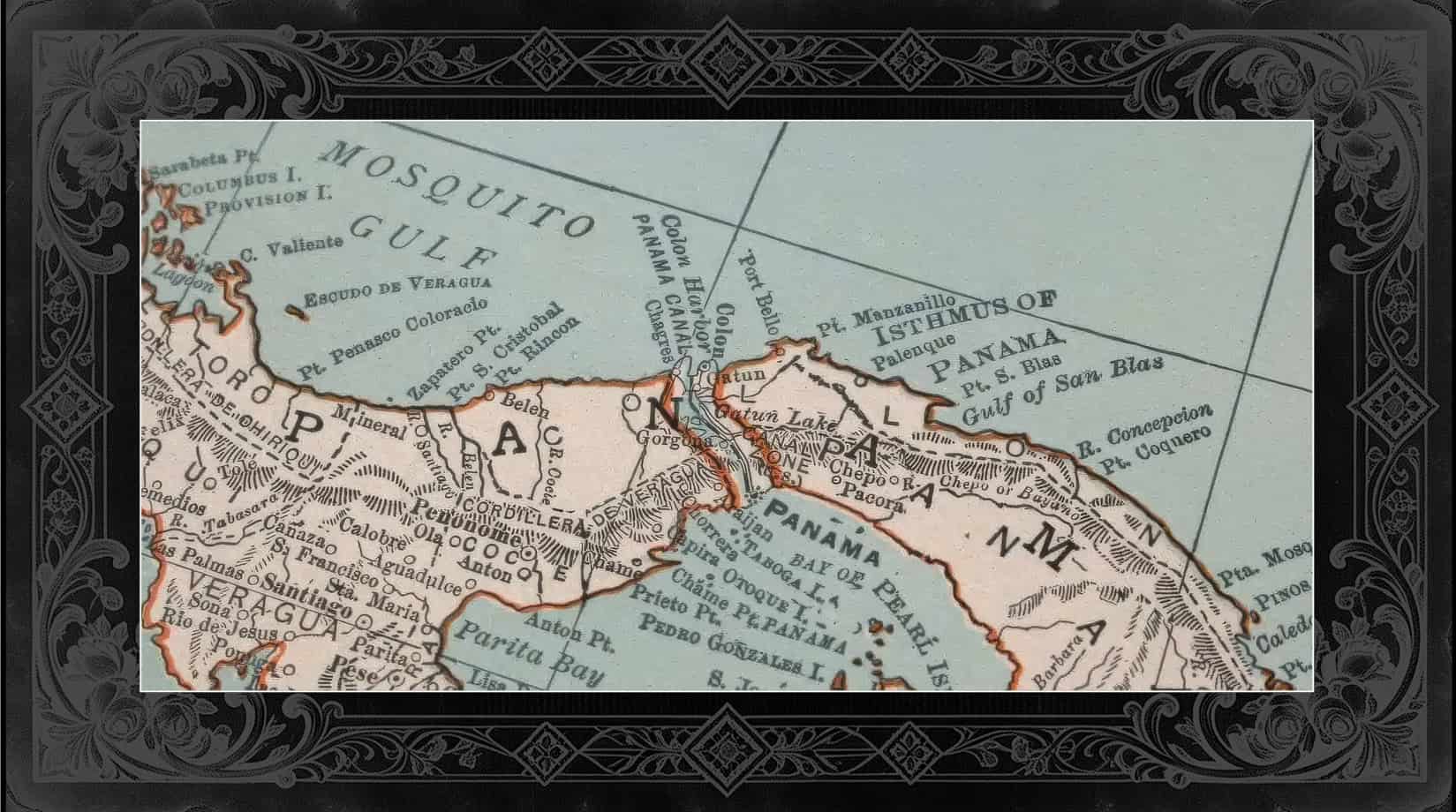
The Panama Canal is one of the most vital artificial waterways in the world, spanning approximately 50 miles across the Isthmus of Panama to connect the Atlantic and Pacific Oceans. Completed by the United States in 1914 after an earlier French attempt failed due to disease and engineering hurdles, the canal revolutionized global maritime trade by eliminating the thousands of miles and treacherous waters required to sail around Cape Horn at the tip of South America. Operating through a complex system of gravity-fed water locks that lift and lower ships over the Continental Divide, the engineering marvel handles thousands of vessels each year, carrying everything from grain and liquefied natural gas to containerized retail goods. Handed over to full Panamanian control on December 31, 1999, the canal remains a cornerstone of international commerce and a key driver of Panama’s modern economy, particularly following a major expansion in 2016 that added wider locks to accommodate massive Neopanamax ships.
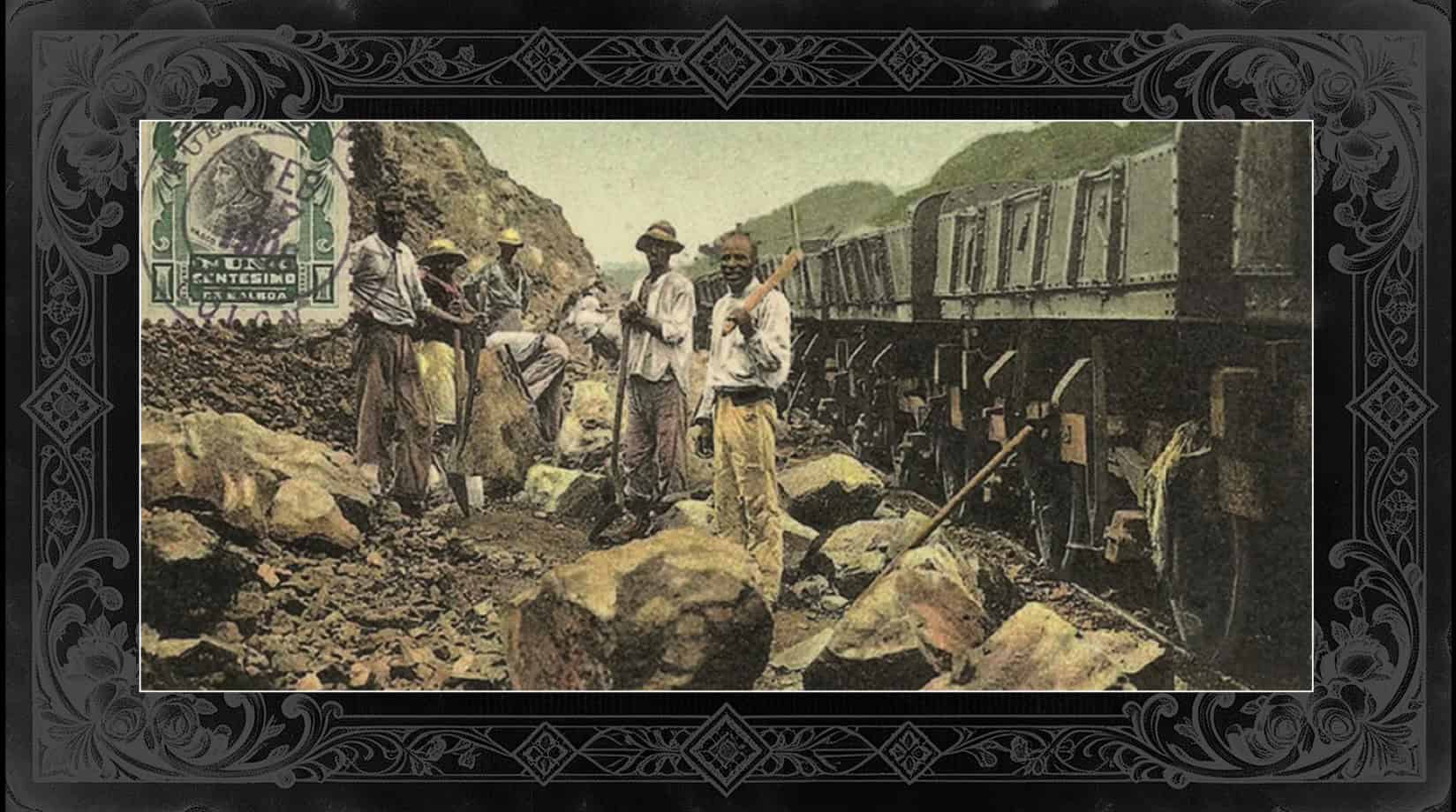
In 1881, French diplomat Ferdinand de Lesseps—celebrated for constructing the Suez Canal—spearheaded the initial attempt to cut a sea-level canal across the Isthmus of Panama. However, the French team vastly underestimated Panama’s dense tropical jungle, mountainous terrain, and torrential rainstorms, which caused constant, massive landslides. Worse still, tropical diseases like yellow fever and malaria decimated the workforce, taking thousands of lives and triggering widespread panic. Overwhelmed by engineering impossibilities, high mortality rates, and eventual bankruptcy, the French effort collapsed in 1889 after nearly a decade of grueling labor.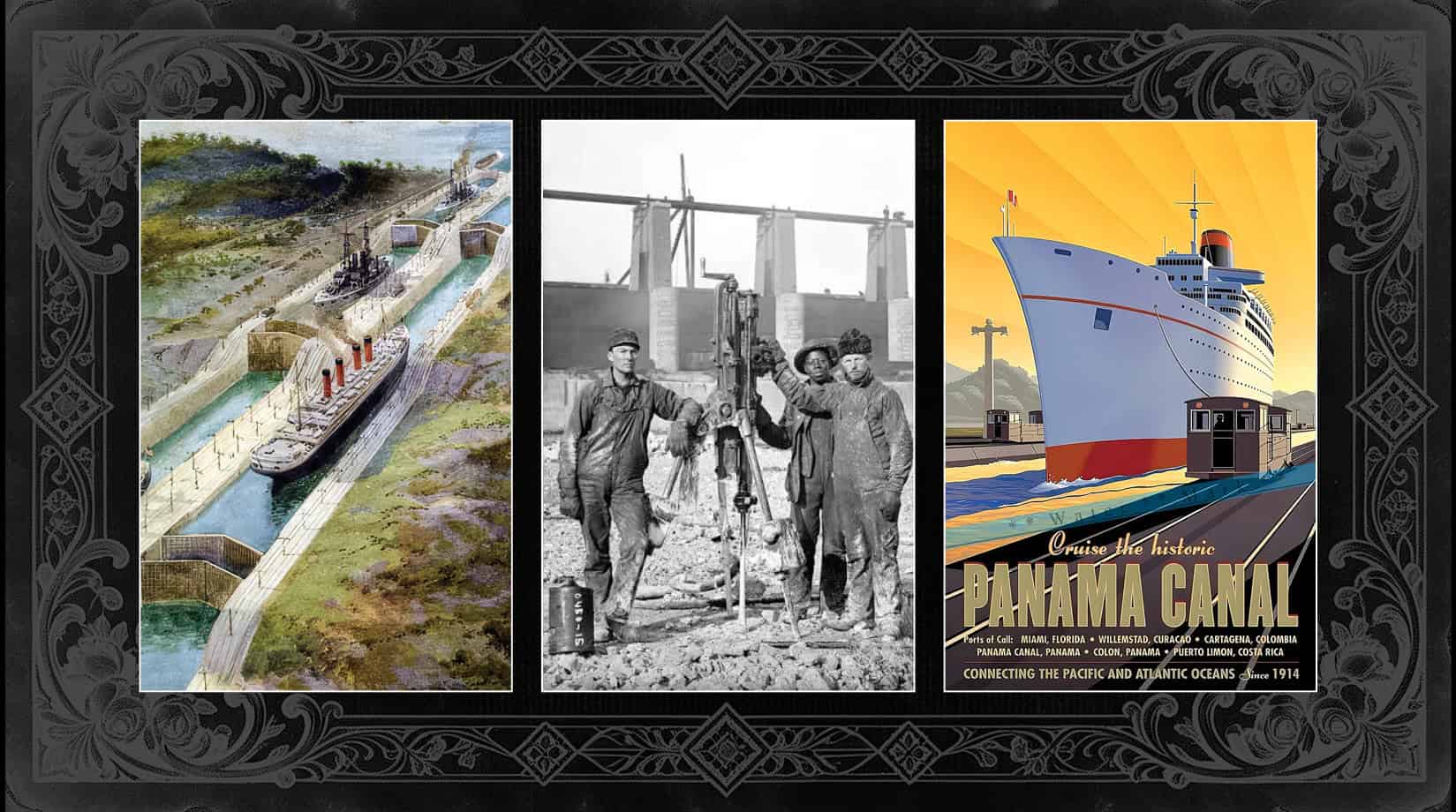
Recognizing the immense strategic and economic advantages of connecting the Atlantic and Pacific Oceans, the United States turned its sights toward Panama in the early 1900s. Under President Theodore Roosevelt, the U.S. government initially attempted to negotiate a treaty with Colombia, which controlled Panama at the time. When negotiations stalled, the U.S. backed Panamanian separatists, deploying naval forces to secure Panama’s independence in 1903. Days later, the newly formed nation signed the Hay-Bunau-Varilla Treaty, granting the United States control of a ten-mile-wide strip of land—the Panama Canal Zone—to complete the ambitious waterway.