
Mola Art and Panama (3/3)







PART Three of Three


“When the moon shall have faded out from the sky, and the sun shall shine at noonday a dull cherry red, and the seas shall be frozen over, and the icecap shall have crept downward to the equator from either pole – when all the cities shall have long been dead and crumbled into dust, and all life shall be on the last verge of extinction on this globe; then, on a bit of lichen, growing on the bald rocks beside the eternal snows of Panama, shall be seated a tiny insect, preening its antennae in the glow of the worn-out sun, the sole survivor of animal life on this our earth – a melancholy bug.”
William Jacob Holland
Introduction: I discovered the “mola” art of the Guna Indians of Panama (and Northern Columbia, South America) while searching for something else. I found their story fascinating and share it here now.
Mola Artwork Gallery
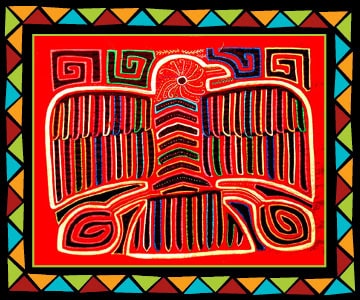
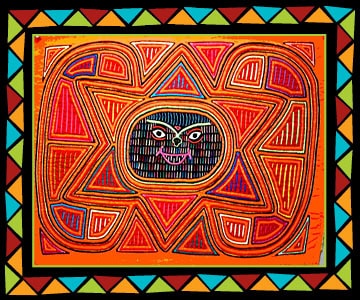
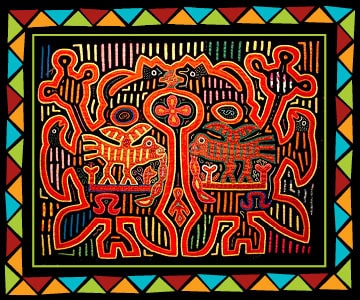
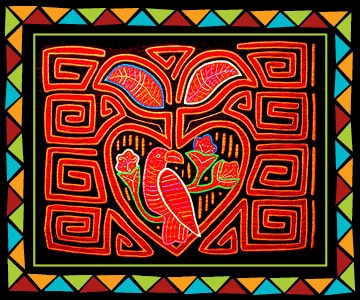
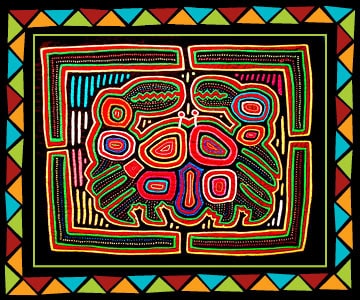
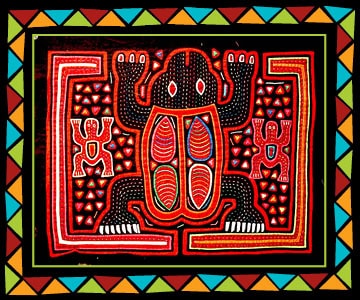
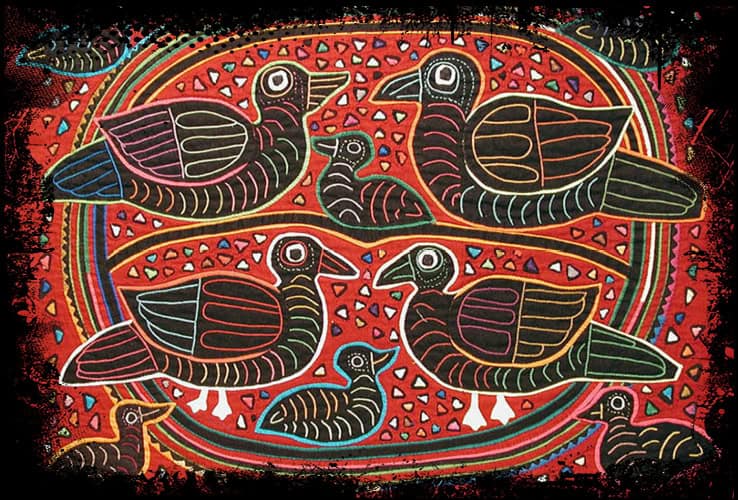
The mola or molas, forms part of the traditional outfit of a Guna* woman in Panama. Two mola panels belong together as front and back panels in a blouse. The full costume traditionally includes a patterned wrapped skirt (saburet), a red and yellow headscarf (musue), arm and leg beads (wini), a gold nose ring (olasu) and earrings in addition to the mola blouse (dulemor). In Dulegaya, the Kuna’s native language, “mola” means “shirt” or “clothing”. The mola originated with the tradition of Kuna women painting their bodies with geometric designs, using available natural colors; in later years these same designs were woven in cotton, and later still, sewn using cloth bought from the European settlers of Panamá. Below: a Guna woman wearing her mola. (Photo below: A Guna Indian woman wearing a mola.) *Also known as Kuna or Cuna.
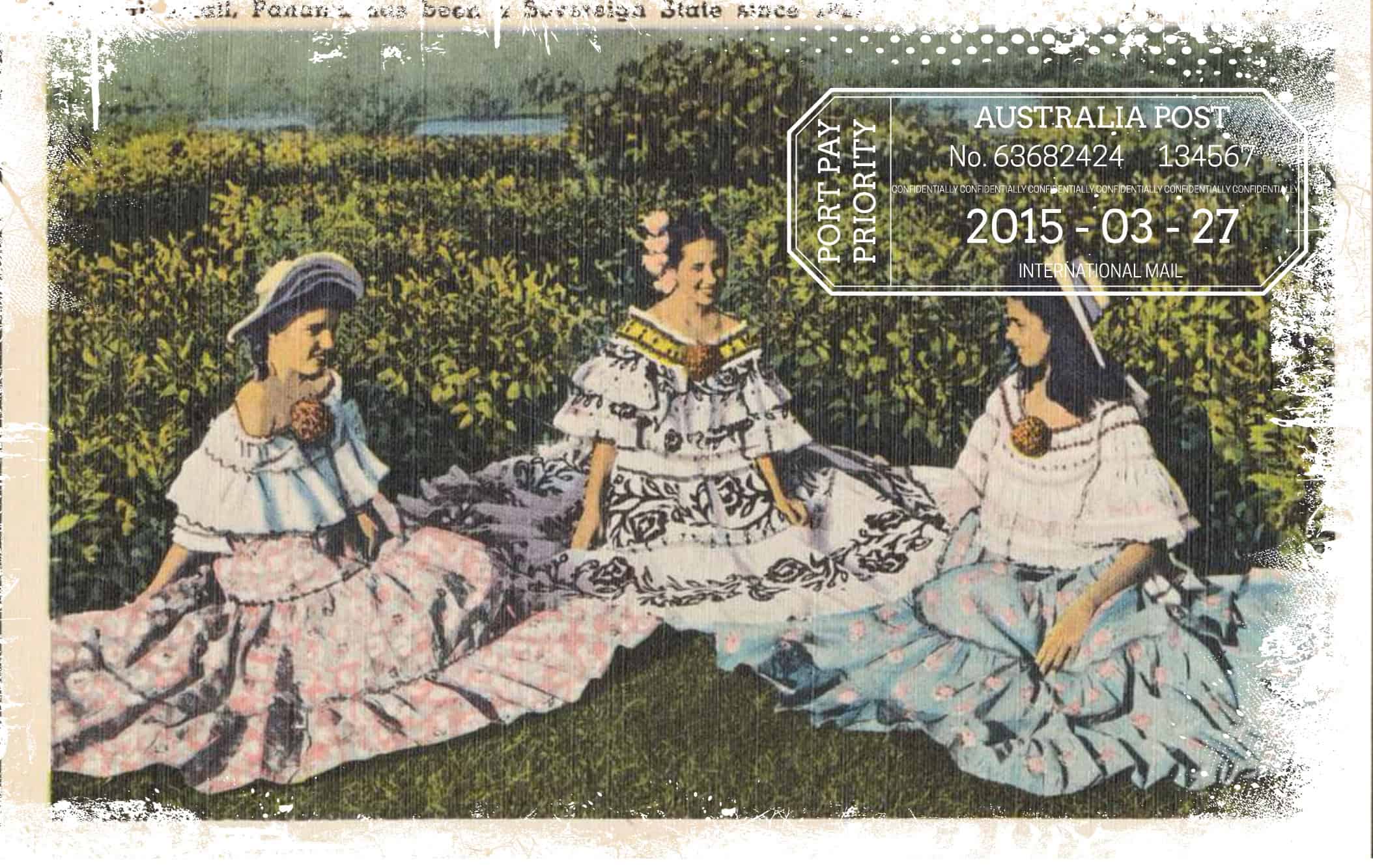
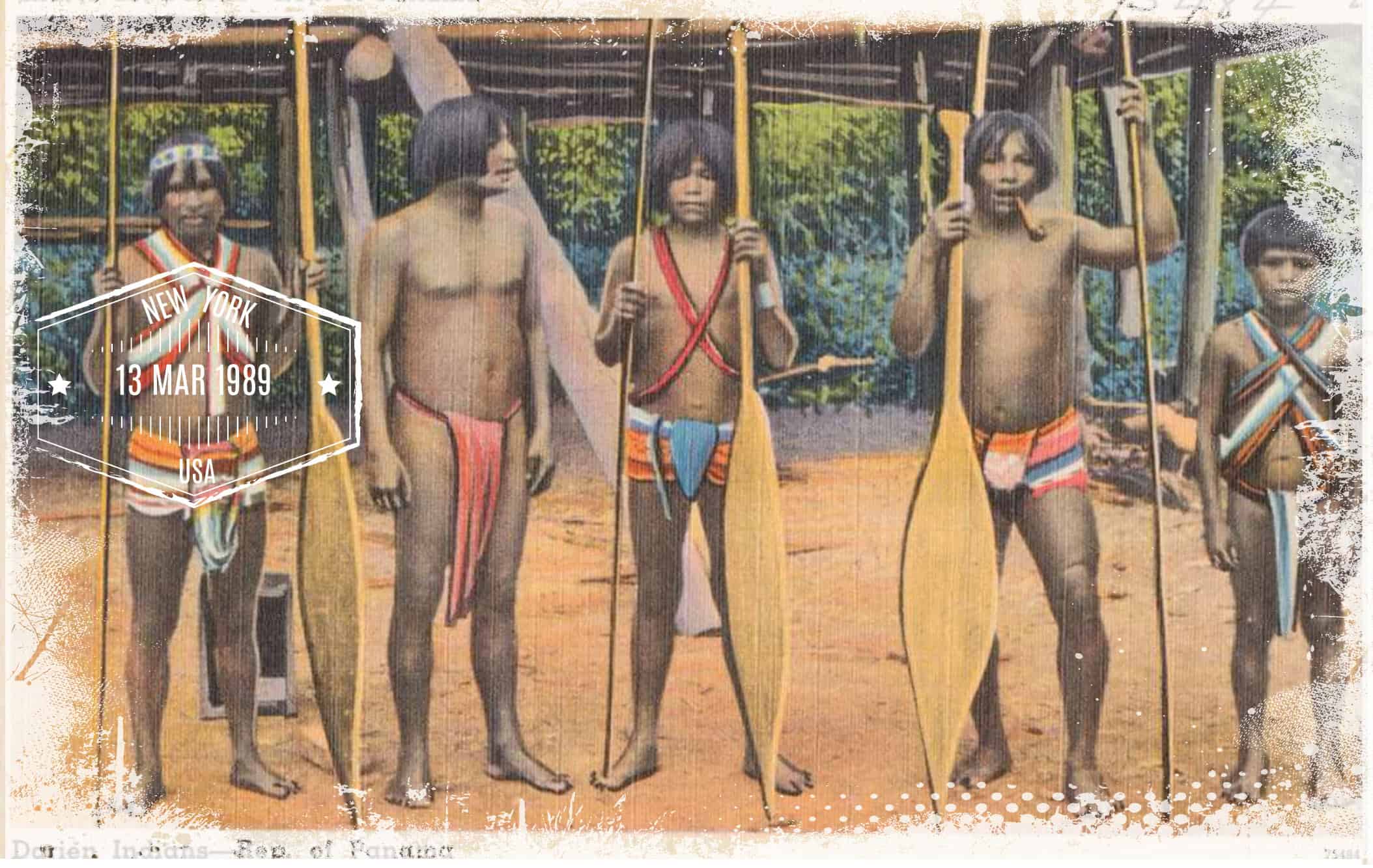
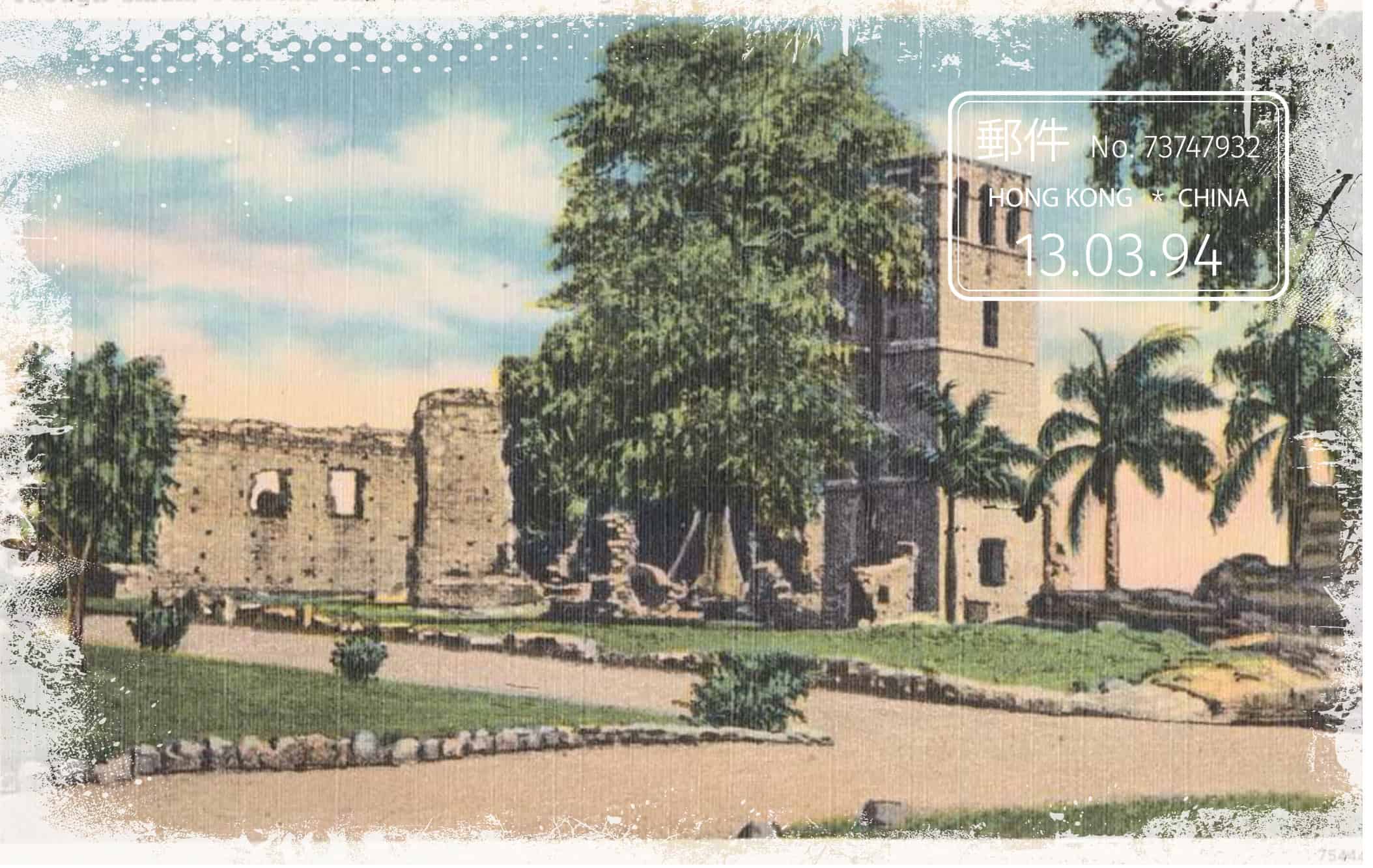
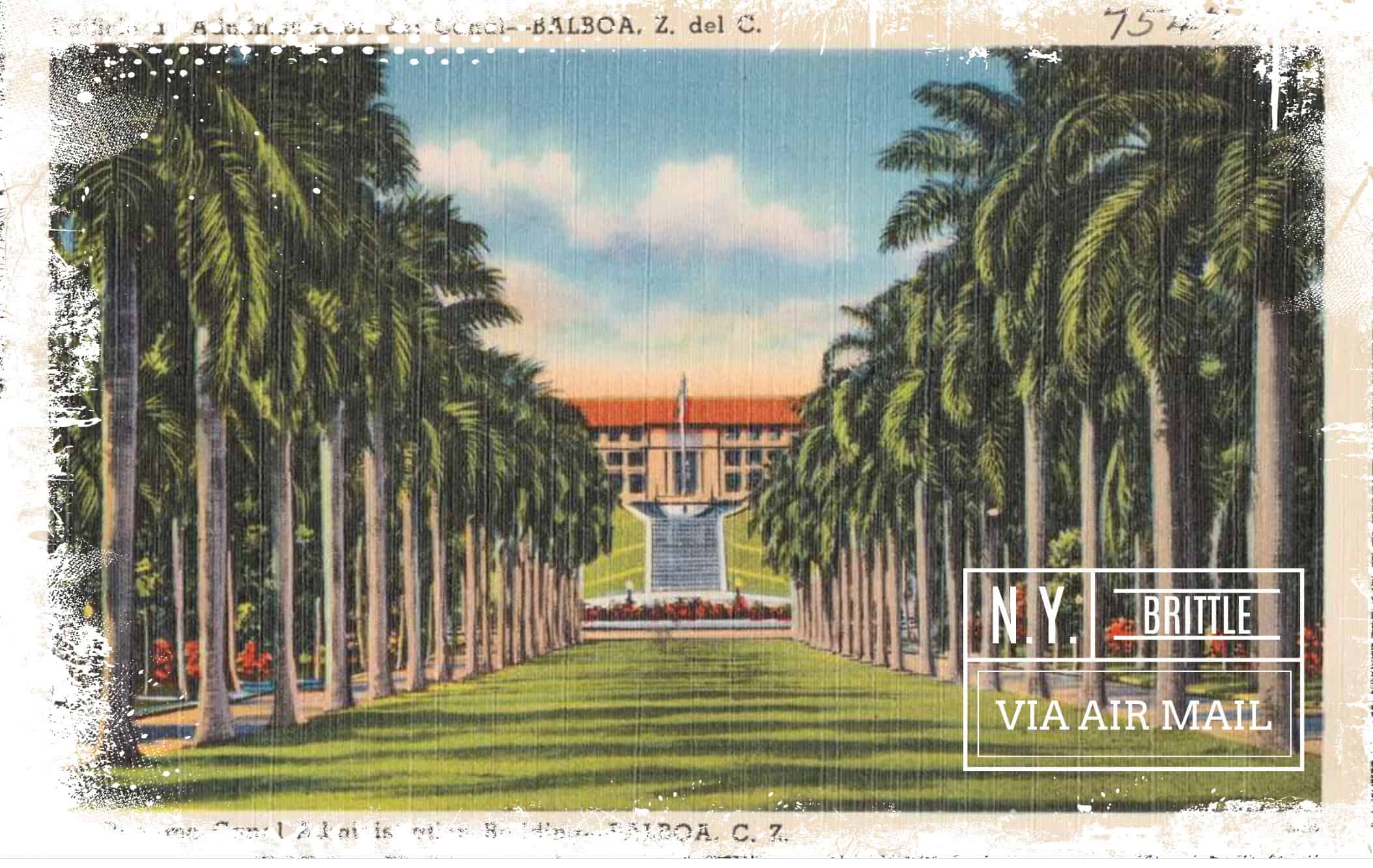
Old Postcards from Panama
Symbols from Pre-Columbian Panama
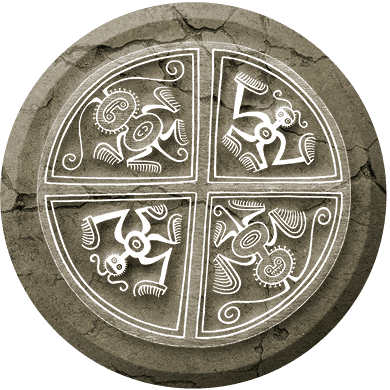
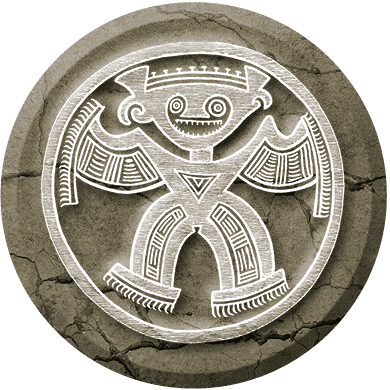
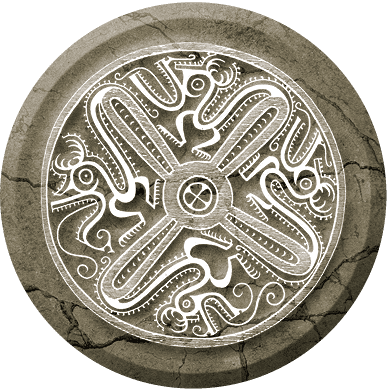
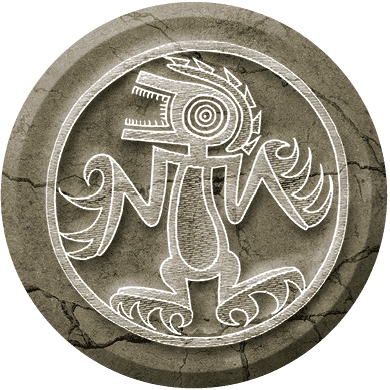
In the ancient Gran Coclé culture of central Panama, intricate gold plaques often featured composite “creature” motives that blended human features with the clawed limbs, fangs, and bifurcated tongues of jaguars or caimans to symbolize shamans undergoing supernatural transformations.
Avian iconography, particularly raptors and harpy eagles with wide, sweeping wings and pronounced beaks, frequently appeared as gold cast pendants worn by elite leaders to signify elevated celestial status and predatory authority.
Pottery from regions like Gran Chiriquí prominently incorporated geometric scrollwork, interlocking spirals, and saw-toothed bands that represented the fluid movement of rivers, ocean currents, and the cyclical order of nature.
Duality was another central theme in Pre-Columbian Panamanian visual arts, frequently expressed through double-headed animal ornaments, mirrored zoomorphic silhouettes, and split-color ceramic painted motifs that reflected the balance between opposing cosmic forces like light and dark or life and death.
The Birds of Panama
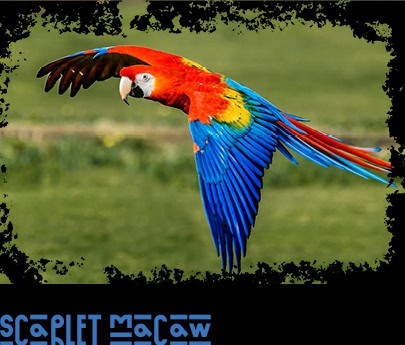
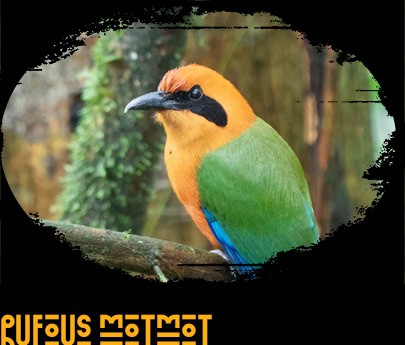
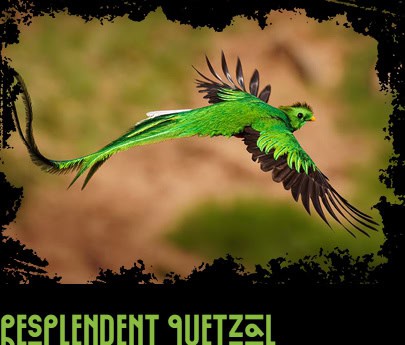
The scarlet macaw (Ara macao) is one of the most iconic and striking birds of the Neotropics, easily recognized by its brilliant crimson plumage offset by bold patches of yellow, blue, and green along its wings. Native to the humid evergreen forests and woodlands stretching from southern Mexico through Central and South America, these large, highly social parrots often travel in mated pairs or noisy flocks, filling the canopy with distinct, far-reaching squawks. Renowned for their high intelligence, strong curved beaks capable of cracking tough tropical nuts, and zygodactyl feet that function like hands for grasping food and climbing, scarlet macaws play a vital role in their ecosystems as seed dispersers. Beyond their ecological significance, their lifelong monogamous pairing and vibrant beauty have long made them powerful cultural symbols throughout indigenous artwork, traditional lore, and modern conservation efforts.
The rufous motmot (Baryphthengus martii) is a striking, Neotropical bird easily recognized by its vibrant rufous-cinnamon head, neck, and breast, contrasting with a rich olive-green back and deep blue wings and tail. Inhabiting the dense, humid lowland forests of Central and South America, this medium-to-large motmot features a thick, slightly serrated bill and a black facial mask framed by a subtle blue accent. Notably, its long, distinctive tail feathers end in bare-shafted, spatulate “rackets”—a unique characteristic created when the bird preens away the delicate barbules near the ends. Typically perching quietly on mid-canopy branches, the rufous motmot remains motionless for long periods while scanning for prey, periodically wagging its racketed tail back and forth like a pendulum before swooping down to capture insects, small lizards, frogs, or fruit.
The resplendent quetzal (Pharomachrus mocinno) is a breathtaking bird celebrated for its iridescent emerald-green plumage, vibrant crimson breast, and remarkably long tail coverts that trail behind adult males during flight like shimmering green ribbons. Native to the cool, mist-shrouded cloud forests of Mesoamerica—ranging from southern Mexico through Central America—this striking species feeds primarily on wild avocados and other forest fruits, making it a key seed disperser for its high-altitude ecosystem. Revered by ancient Maya and Aztec civilizations as a sacred symbol of freedom, wealth, and connection to the divine, the resplendent quetzal continues to hold deep cultural significance today, serving as the national bird of Guatemala. Due to its specialized habitat requirements, it remains a fragile icon dependent on the protection of primary cloud forest preserves.
I’m actually the son of Mary Guibert. My mother was born in the Panama Canal zone and came to America when she was five with my grandmother and grandfather, and that was the family I knew. Everybody sang; everybody had songs all the time, and they loved music.
Jeff Buckley
The Panama Canal
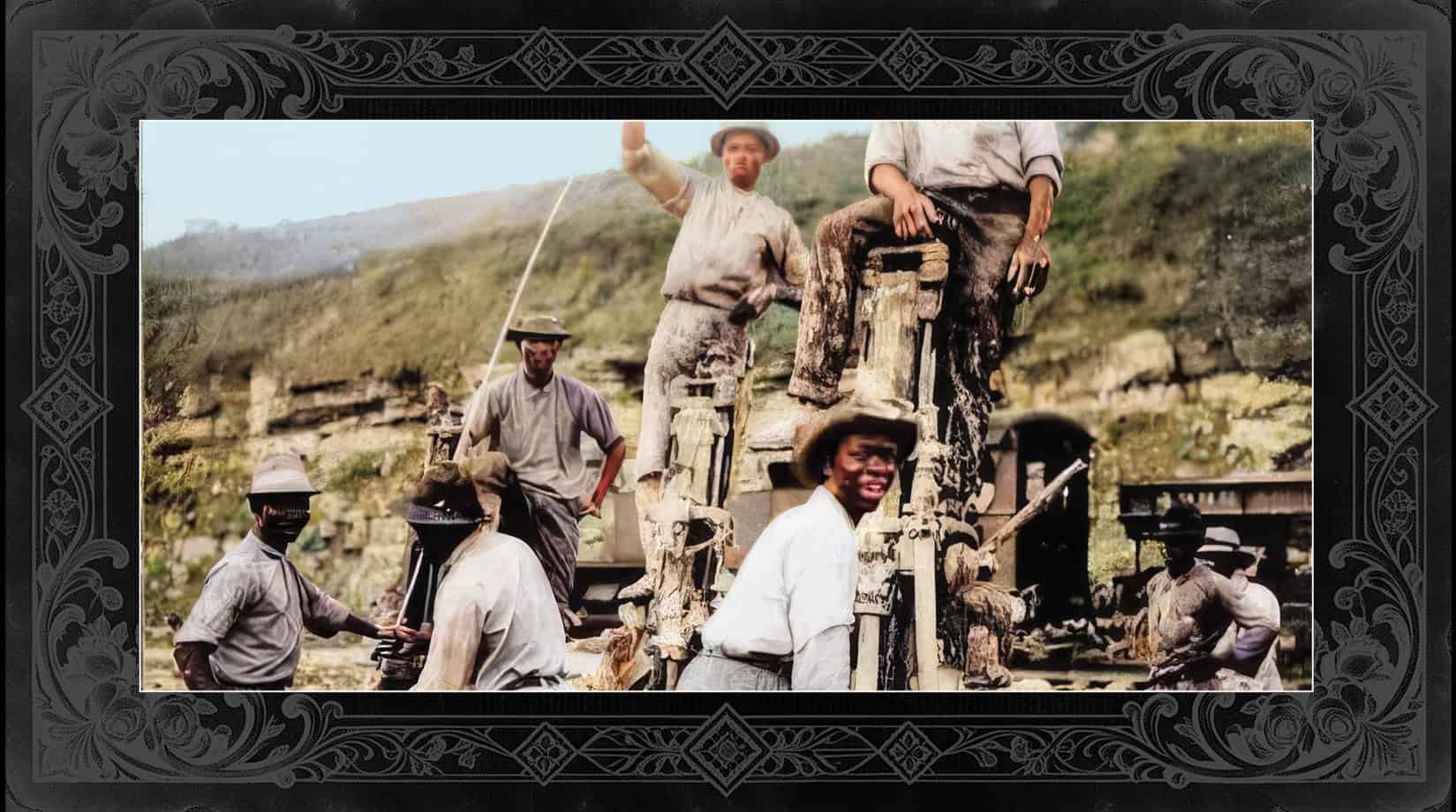
The most treacherous phase of construction occurred at the Culebra Cut, an artificial valley blasted through nine miles of solid rock and shale across the continental divide. Millions of cubic yards of earth were excavated using steam shovels, dynamite, and railroad cars, while workers braved suffocating heat, premature dynamite detonations, and catastrophic landslides that regularly buried equipment. The workforce consisted largely of over 30,000 West Indian laborers, primarily from Barbados and Jamaica, who endured backbreaking labor, segregated living conditions, and lower pay, bearing the heaviest human toll of the project.
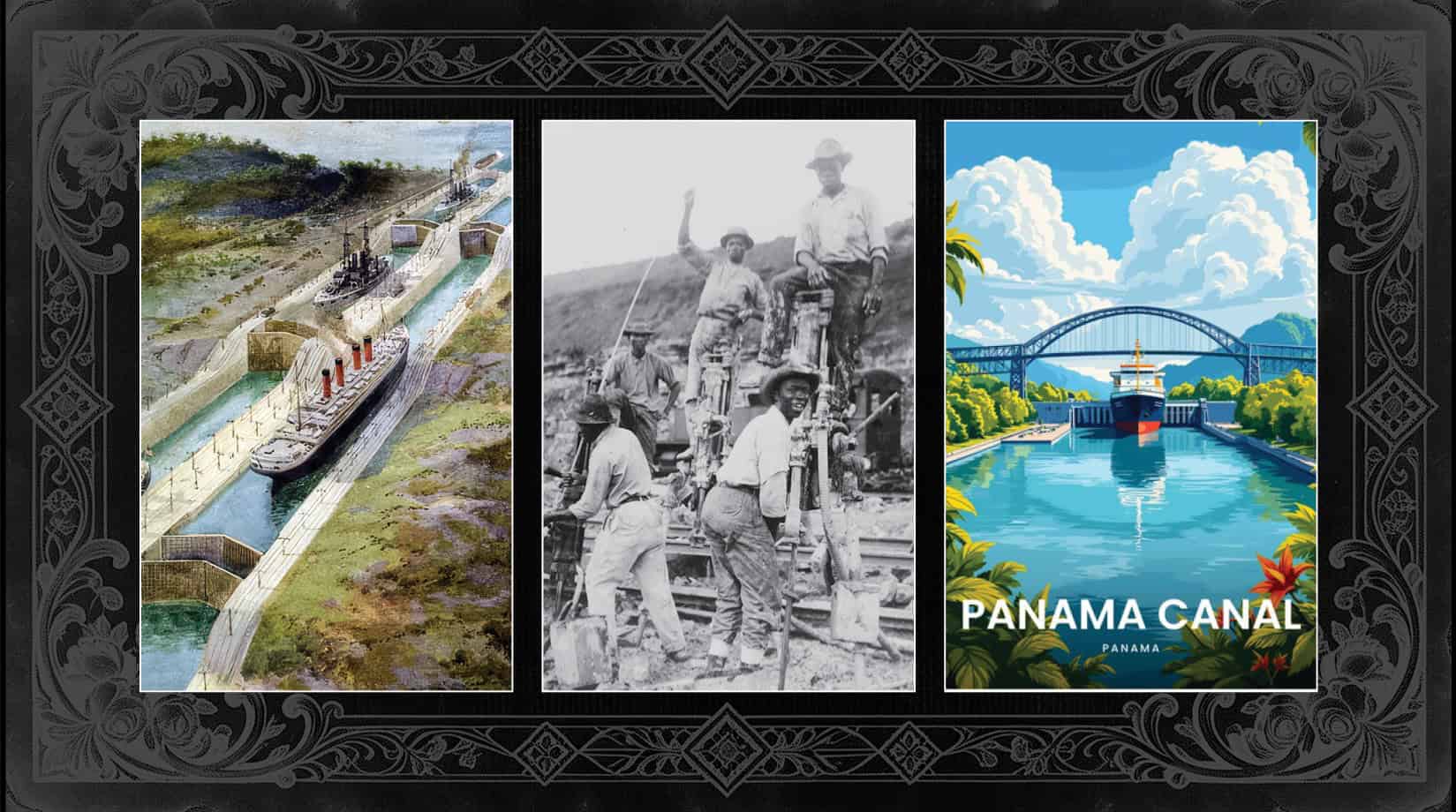
On August 15, 1914, the cargo ship SS Ancon made the official inaugural transit through the completed Panama Canal, opening a historic trade corridor that slashed ocean voyages between the East and West coasts of the Americas by nearly 8,000 nautical miles. The decade-long American project cost approximately $375 million and cost thousands of lives, but it stood as one of the greatest engineering achievements in modern history. The canal permanently altered global trade routes, geopolitical naval strategy, and international commerce for the century to come.
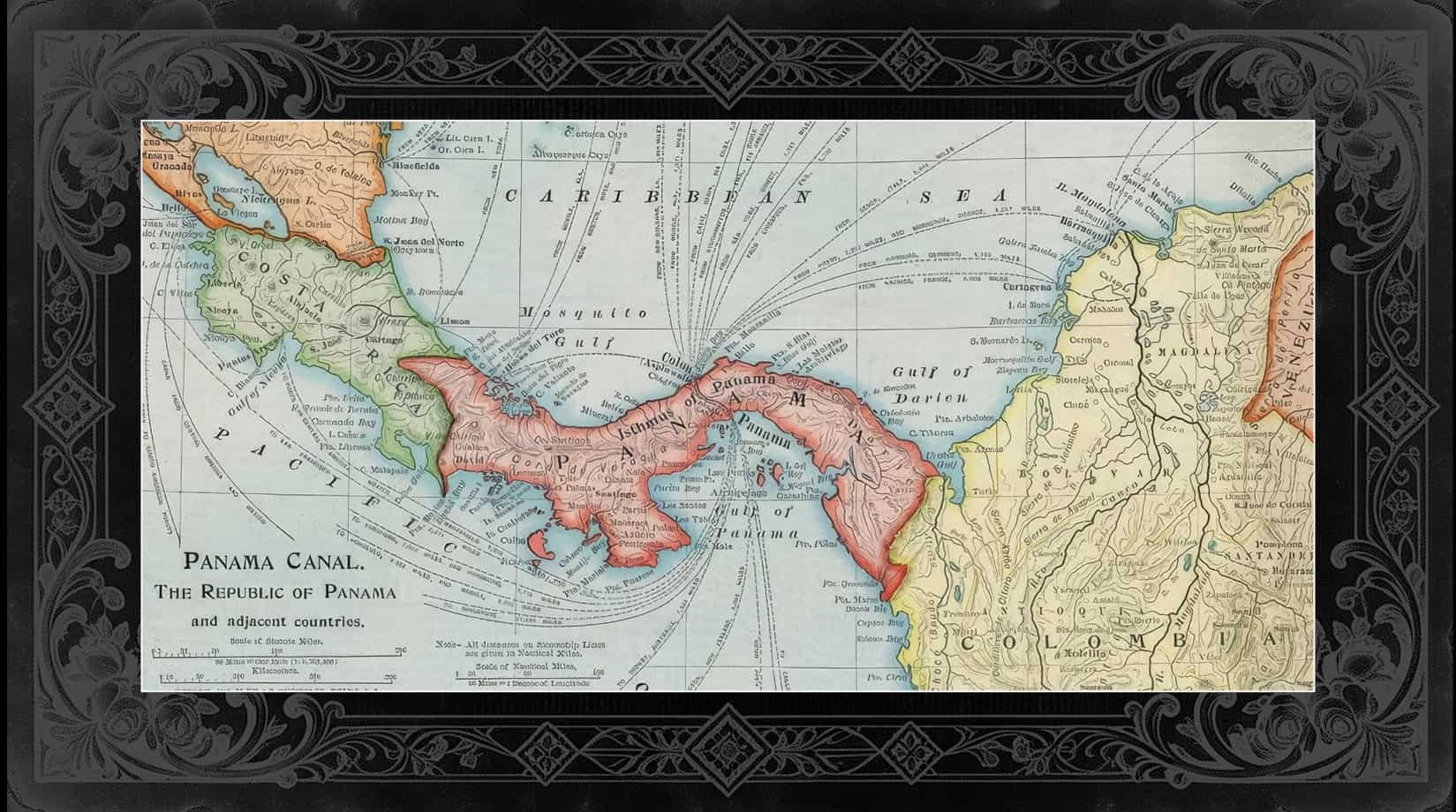
The Panama Canal is one of the most vital artificial waterways in the world, spanning approximately 50 miles across the Isthmus of Panama to connect the Atlantic and Pacific Oceans. Completed by the United States in 1914 after an earlier French attempt failed due to disease and engineering hurdles, the canal revolutionized global maritime trade by eliminating the thousands of miles and treacherous waters required to sail around Cape Horn at the tip of South America. Operating through a complex system of gravity-fed water locks that lift and lower ships over the Continental Divide, the engineering marvel handles thousands of vessels each year, carrying everything from grain and liquefied natural gas to containerized retail goods. Handed over to full Panamanian control on December 31, 1999, the canal remains a cornerstone of international commerce and a key driver of Panama’s modern economy, particularly following a major expansion in 2016 that added wider locks to accommodate massive Neopanamax ships.
