Mola Art and Panama (2/3)







PART two of Three

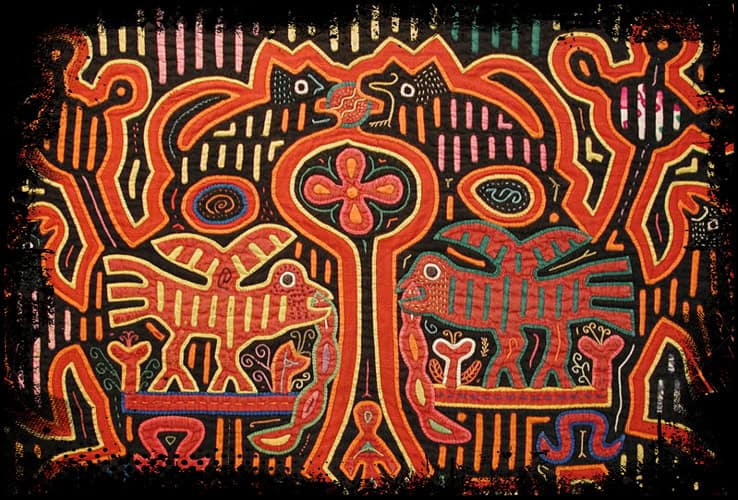

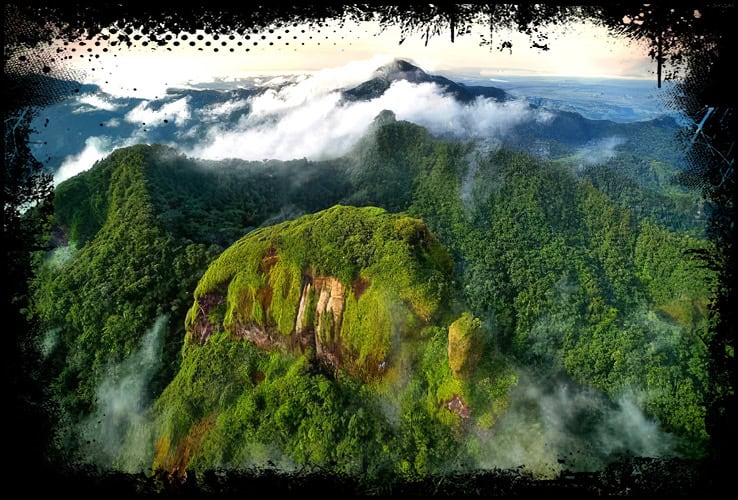
“Panama is a tropical paradise where the laughter of the people echoes amidst lush rainforests and tranquil beaches.”
John le Carré
Introduction: I discovered the “mola” art of the Guna Indians of Panama (and Northern Columbia, South America) while searching for something else. I found their story fascinating and share it here now.
Mola Artwork Gallery


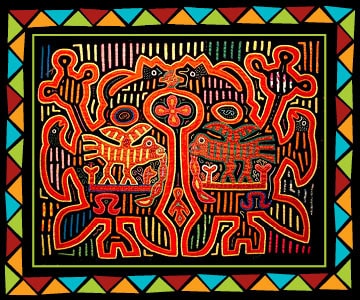
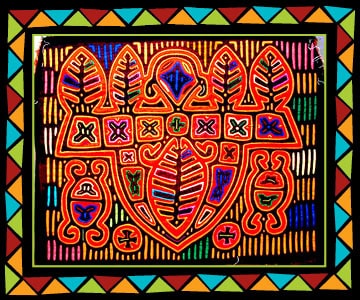
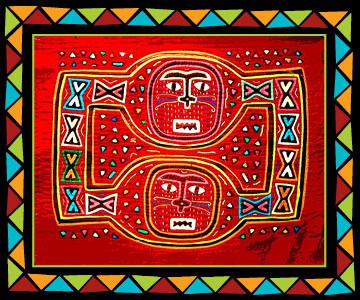
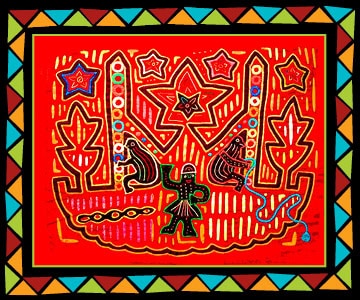

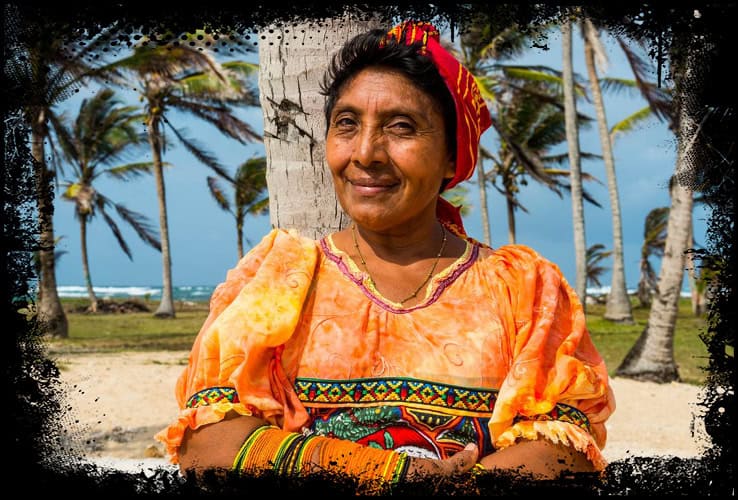
The mola or molas, forms part of the traditional outfit of a Guna* woman in Panama. Two mola panels belong together as front and back panels in a blouse. The full costume traditionally includes a patterned wrapped skirt (saburet), a red and yellow headscarf (musue), arm and leg beads (wini), a gold nose ring (olasu) and earrings in addition to the mola blouse (dulemor). In Dulegaya, the Kuna’s native language, “mola” means “shirt” or “clothing”. The mola originated with the tradition of Kuna women painting their bodies with geometric designs, using available natural colors; in later years these same designs were woven in cotton, and later still, sewn using cloth bought from the European settlers of Panamá. Below: a Guna woman wearing her mola. (Photo below: A Guna Indian woman wearing a mola.) *Also known as Kuna or Cuna.
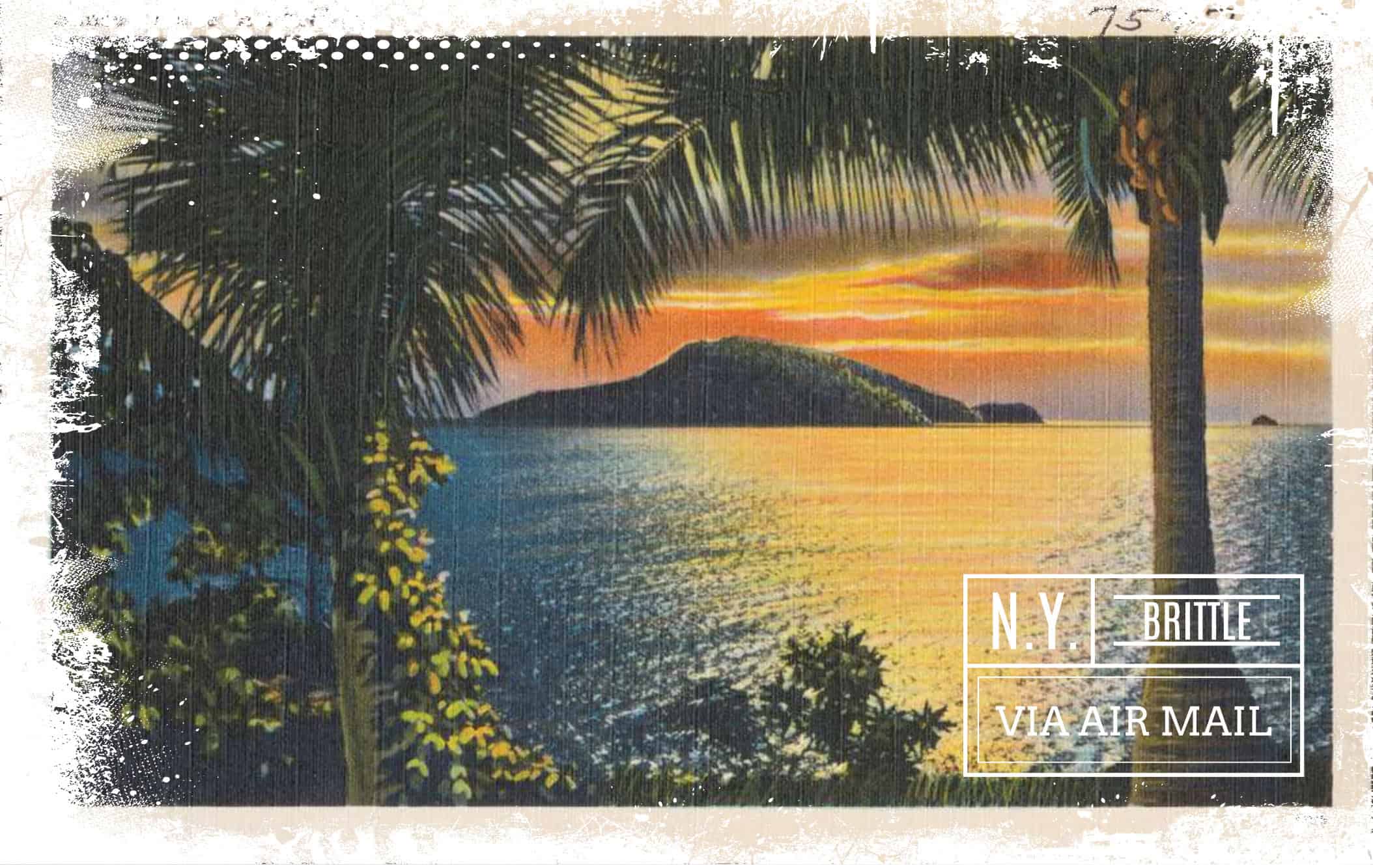
Old Postcards from Panama


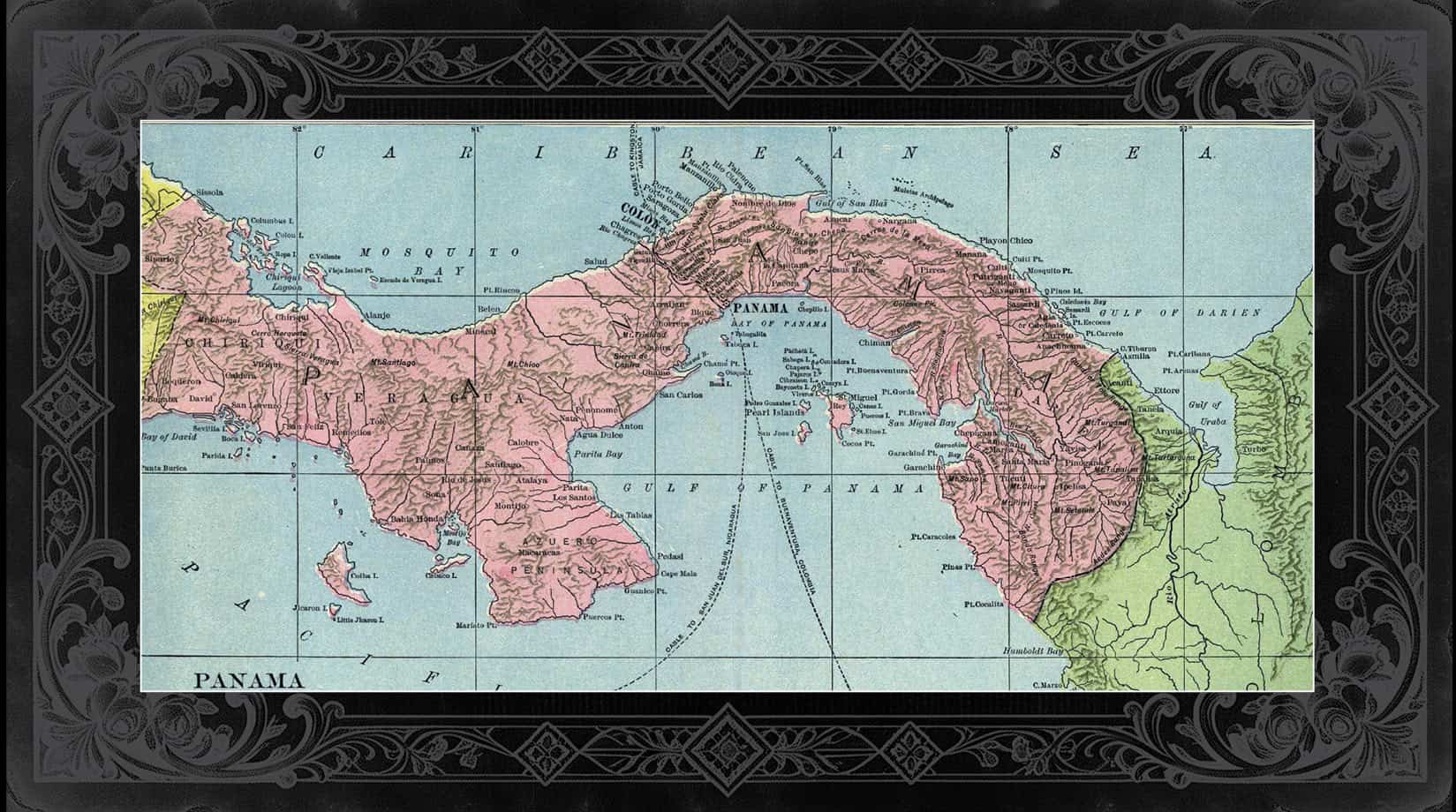
Symbols from Pre-Columbian Panama
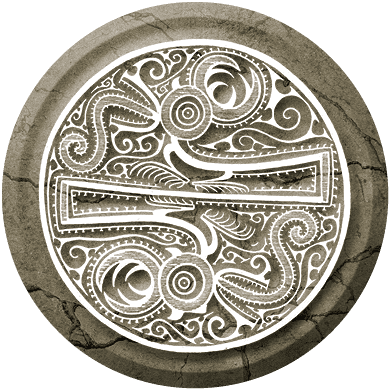
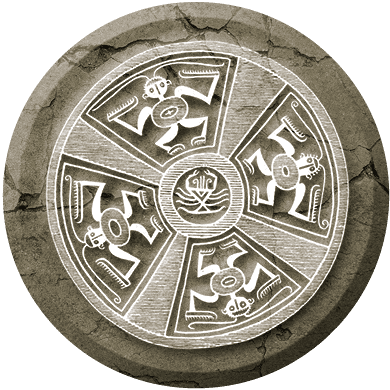
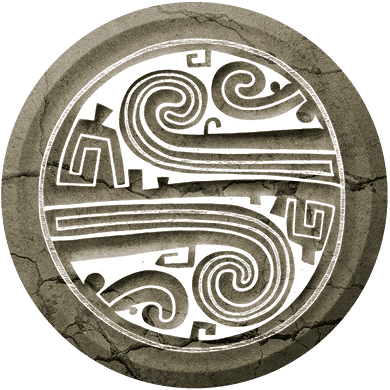
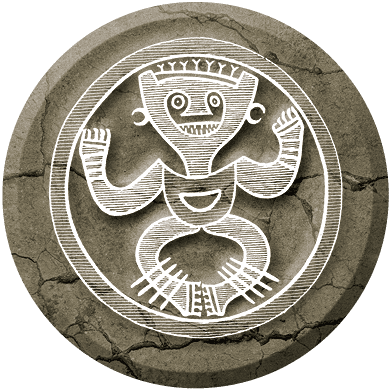
In the ancient Gran Coclé culture of central Panama, intricate gold plaques often featured composite “creature” motives that blended human features with the clawed limbs, fangs, and bifurcated tongues of jaguars or caimans to symbolize shamans undergoing supernatural transformations.
Avian iconography, particularly raptors and harpy eagles with wide, sweeping wings and pronounced beaks, frequently appeared as gold cast pendants worn by elite leaders to signify elevated celestial status and predatory authority.
Pottery from regions like Gran Chiriquí prominently incorporated geometric scrollwork, interlocking spirals, and saw-toothed bands that represented the fluid movement of rivers, ocean currents, and the cyclical order of nature.
Duality was another central theme in Pre-Columbian Panamanian visual arts, frequently expressed through double-headed animal ornaments, mirrored zoomorphic silhouettes, and split-color ceramic painted motifs that reflected the balance between opposing cosmic forces like light and dark or life and death.
The Birds of Panama
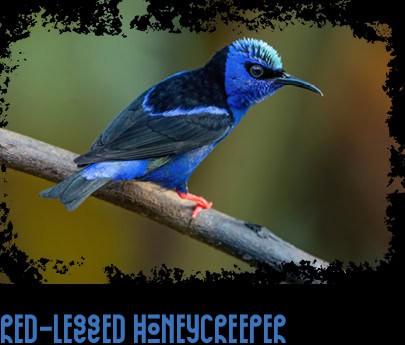


Also known as the red-legged honeycreeper (Cyanerpes cyaneus), the red-legged creeper is a vibrant, small songbird belonging to the tanager family (Thraupidae), native to the tropical forests and semi-open woodlands of Central and South America, as well as parts of the Caribbean. Measuring roughly 4.5 to 5 inches in length, the species exhibits striking sexual dimorphism: adult males in breeding plumage showcase a brilliant violet-blue body contrasted with a velvety black mask, wings, tail, and back, coupled with a shaggy turquoise crown and unmistakable, bright scarlet legs. In contrast, females and non-breeding males wear a more cryptic plumage of glossy green above and streaked yellowish-green below. Using a slender, slightly down-curved bill, these energetic birds forage restlessly through the forest canopy, feeding primarily on nectar, fruits, and small insects, while flashing bright sulphur-yellow underwings during flight.
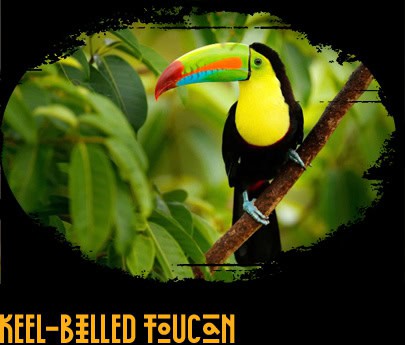
The keel-billed toucan (Ramphastos sulfuratus), also known as the rainbow-billed toucan, is a striking and iconic canopy bird native to the tropical rainforests and woodland borders ranging from southern Mexico through Central America to northwestern Colombia. Renowned as the national bird of Belize, this large species is instantly recognizable by its massive, lightweight bill, which displays a vivid mosaic of lime green, sky blue, orange, and deep red. Beyond its famed bill, the bird’s plumage features a rich, blue-black body contrasted with a vibrant canary-yellow chest and throat, bordered by a thin crimson rim, bright blue legs, and a scarlet undertail patch. Highly social and noisy, keel-billed toucans travel in small flocks through the upper canopy, using their oversized bill to dexterity pluck tropical fruits—their primary diet—along with small reptiles, insects, and eggs, before tossing food back into their throats with a characteristic head flick.
The golden-browed chlorophonia (Chlorophonia callophrys) is a small, brilliantly colored bird in the true finch family (Fringillidae), endemic to the humid cloud forests and highland edges of Costa Rica and western Panama. Frequenting upper canopy layers at elevations typically between 2,500 and 10,000 feet, this plump, short-tailed species is celebrated for its dazzling plumage. Males feature a bright golden-yellow forehead and brow band, a vibrant emerald-green face, throat, and back, a sky-blue crown and nape, and a striking golden-yellow belly bordered by a thin turquoise band across the upper breast. Females share a similar vivid green and yellow palette, though with a less pronounced head pattern and more olive-toned accents. Active and acrobatic, golden-browed chlorophonias move through the treetops singly, in pairs, or in small mixed-species flocks, feeding mainly on mistletoe berries, small fruits, and occasional insects while uttering soft, whistle-like calls.
“Panama, like a jewel, is situated at the southeastern tip of Central America… a precious stone illuminated on one side by the Caribbean, on the other by the Pacific Ocean.”
Carlos Fuentes
The Panama Canal
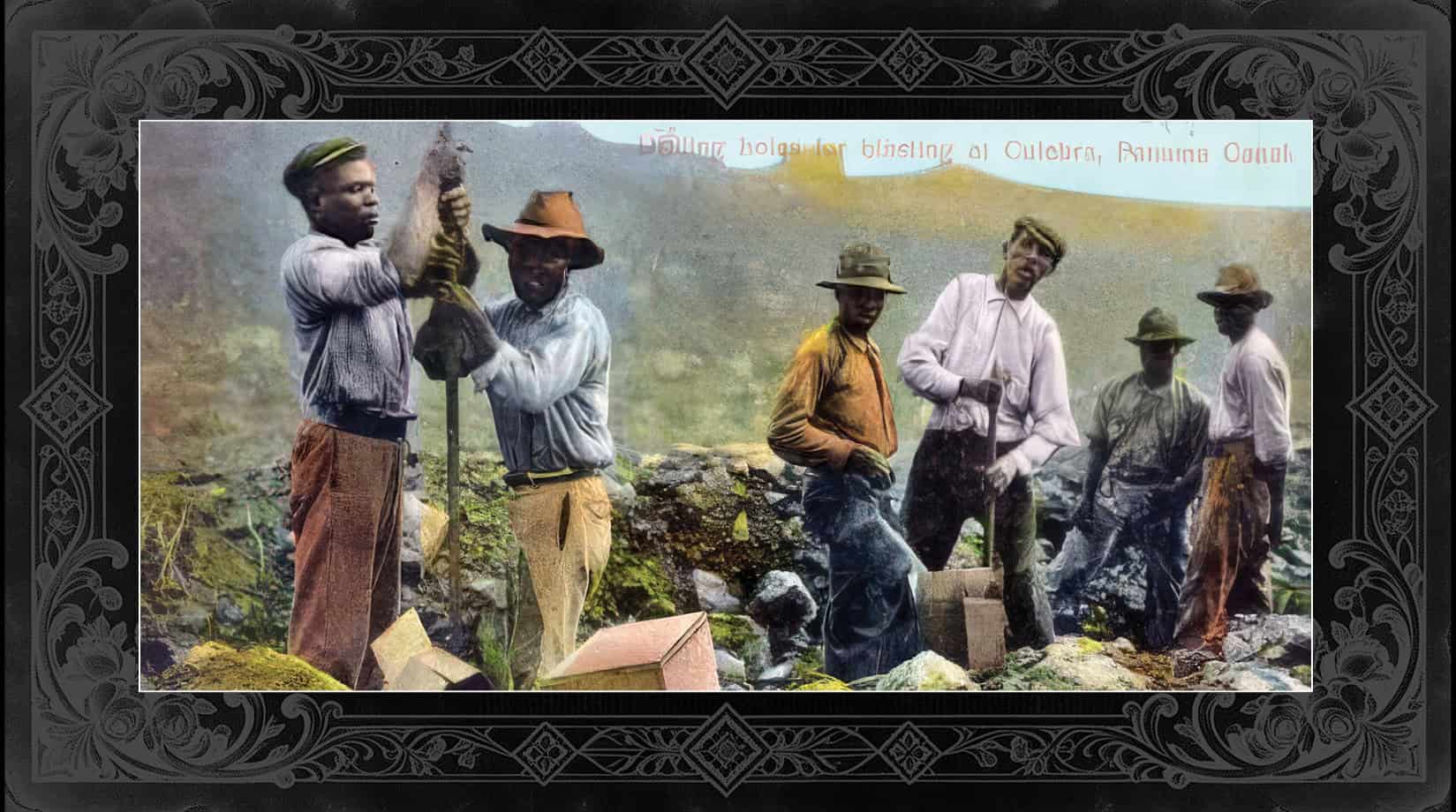
Before heavy construction could resume, American leadership recognized that controlling tropical disease was essential to success. Dr. William Gorgas, the canal project’s chief sanitary officer, implemented a sweeping public health campaign based on the newly discovered link between mosquitoes and the transmission of malaria and yellow fever. Workers drained swamps, fumigated homes, oiled standing water, and installed screen doors across housing camps. By nearly eliminating the mosquito population, Gorgas drastically reduced disease and death among workers, creating a stable and healthy workforce capable of tackling the immense task ahead.
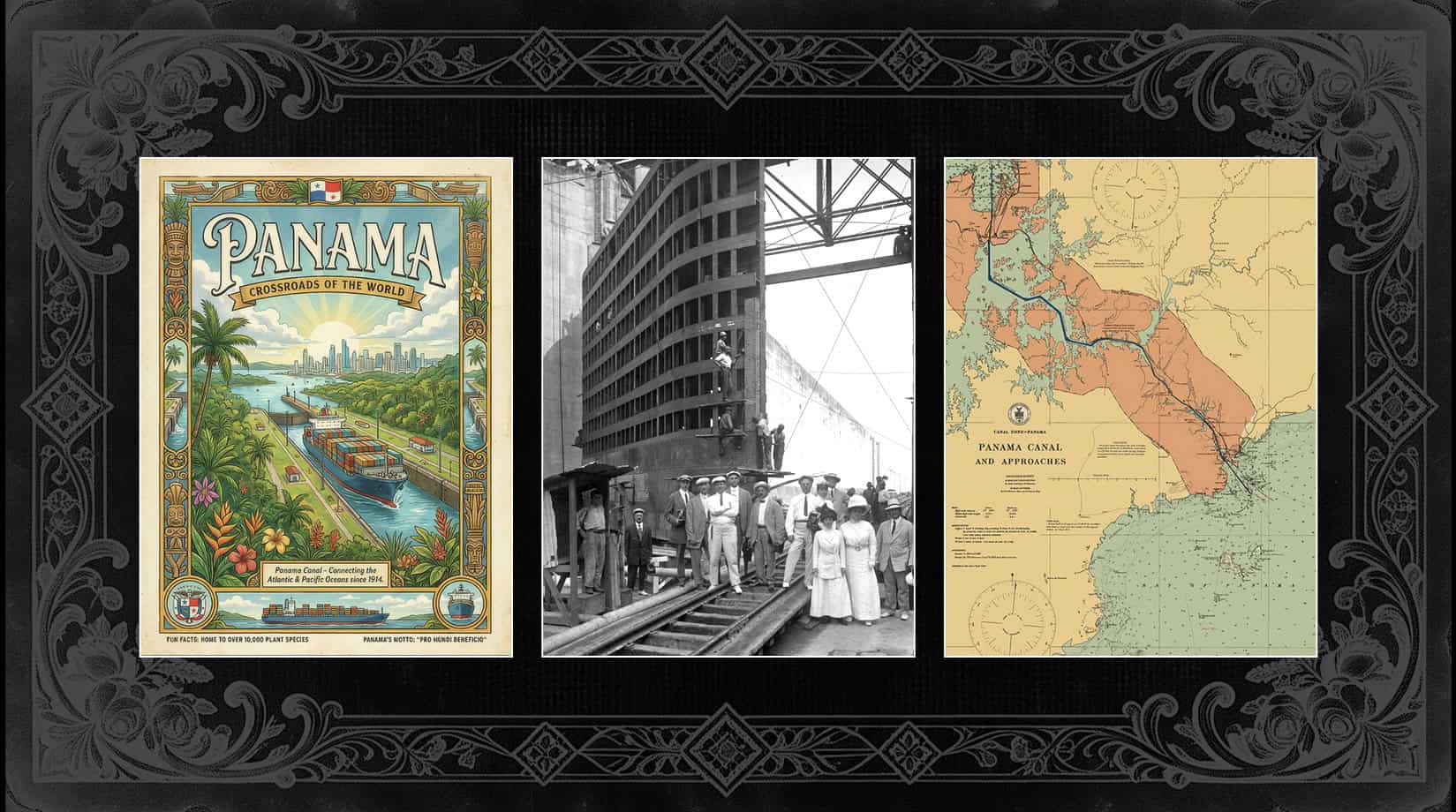
Under Chief Engineer John Frank Stevens and later Army Corps Engineer John F. Stevens and Colonel George Washington Goethals, the U.S. abandoned the sea-level design in favor of a lock system. Engineers dammed the Chagres River to form Gatun Lake—at the time, the largest artificial lake in the world—positioned 85 feet above sea level. This massive body of water served as an elevated water highway across the continental divide. To lift and lower ships between ocean levels, workers constructed giant concrete locks powered by gravity and controlled by massive steel gates, creating a brilliant hydro-engineering system.