

Learn More About the Building Blocks of Graphic Design


White space, far from being mere empty area, acts as an active structural element in graphic design that gives visual components room to breathe, guides the viewer’s eye through a clear hierarchy, and elevates overall legibility and sophistication.
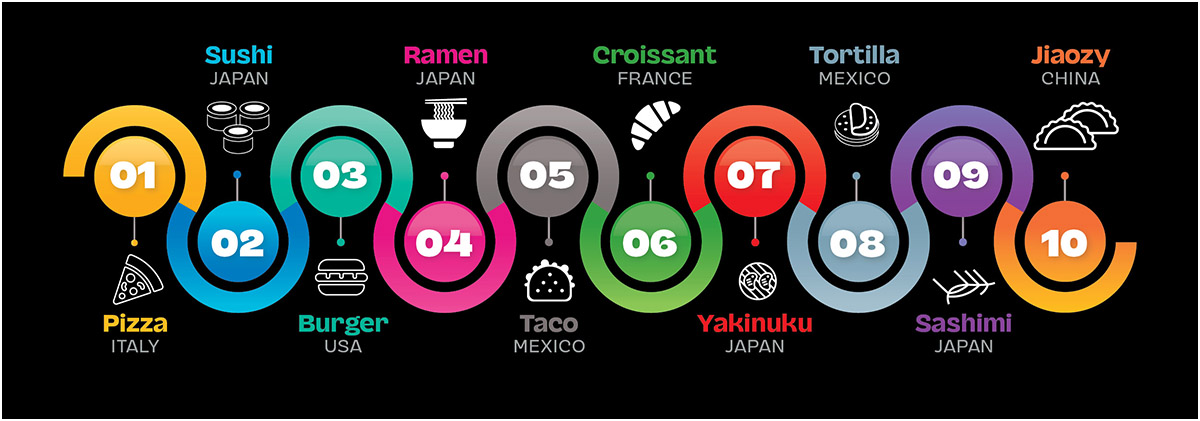
An infographics graphic designer translates complex data and information into clear, visually engaging illustrations and charts that make narrative insights effortlessly readable for any audience.
A skilled graphic designer seamlessly bridges the digital and print worlds by designing in the RGB color model to maximize color vibrancy on screens, while masterfully translating those assets into the CMYK color space to guarantee exact hue fidelity and sharp contrast for physical printing.
Learn More About the Building Blocks of Graphic Design
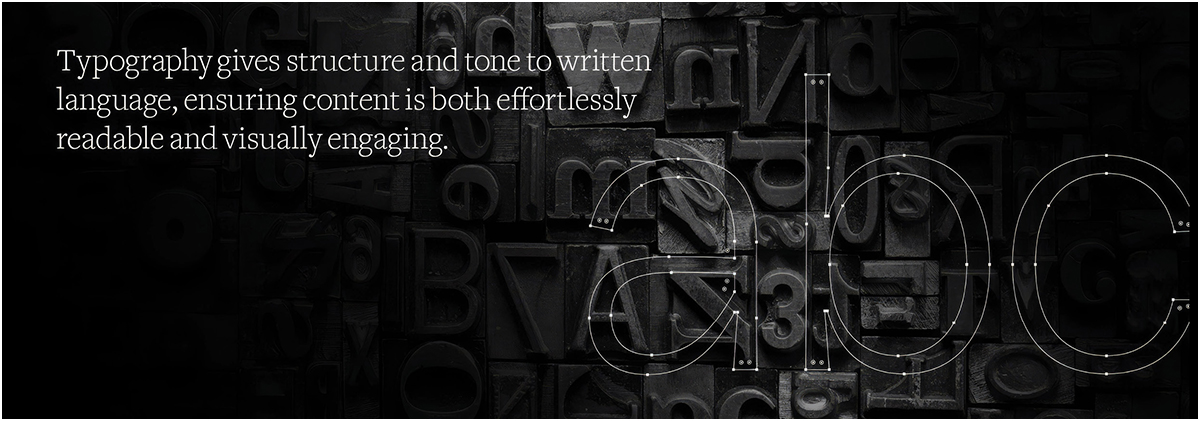

As the strategic backbone of graphic design, typography seamlessly weaves structural hierarchy, psychological tone, and expressive visual form into written text, empowering designers to deliver clear, legible information.
Graphic design provides the structured framework of layout, typography, and color strategy, while photography feeds that structure with compelling real-world imagery, together forming a seamless visual medium.
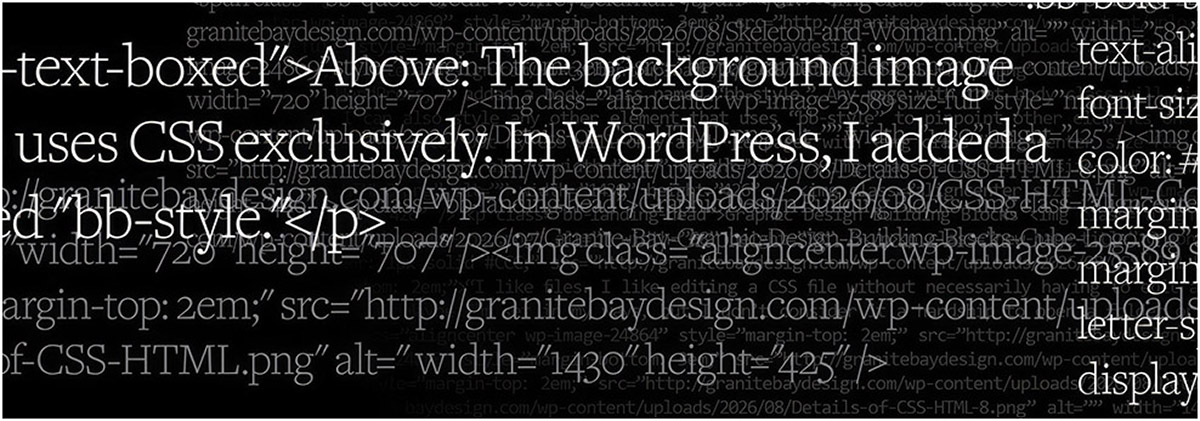
Serving as the structural foundation and visual skin of the digital web, HTML and CSS transform raw digital information into dynamic, accessible layouts by pairing clean document architecture with precise stylistic control over layout, color, responsiveness, and interaction design.
Learn More About the Building Blocks of Graphic Design
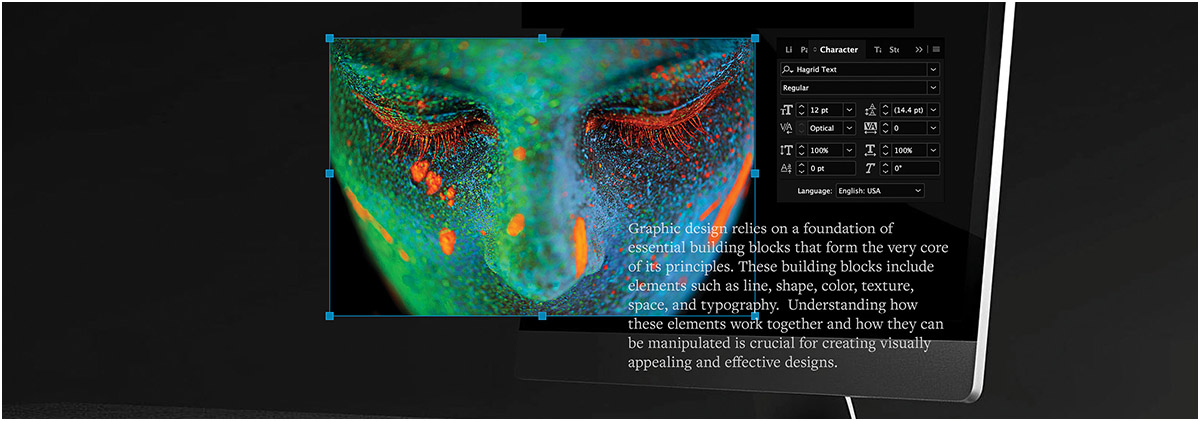

Graphic design establishes the creative vision, typography hierarchy, and visual branding for print and digital media, while Adobe InDesign serves as the industry-standard layout power tool that precision-engineers those elements.
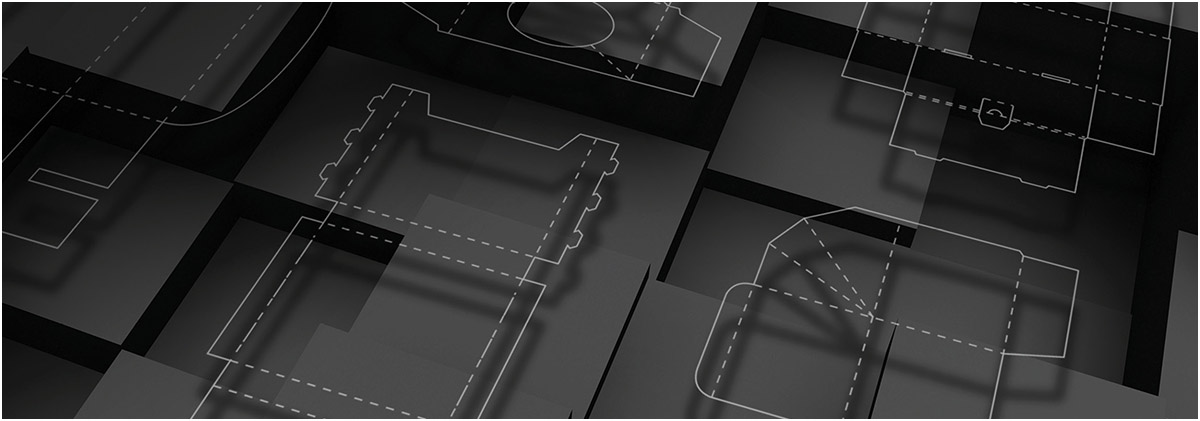
Graphic design transforms functional product packaging into an engaging tactile experience by fusing structural layout, brand typography, and persuasive visual hierarchy to instantly capture attention on crowded retail shelves.
Adobe Photoshop serves as an essential digital canvas for graphic designers, enabling them to manipulate images, blend complex visual layers, and refine intricate raster graphics with extraordinary precision.
Learn More About the Building Blocks of Graphic Design



At the heart of graphic design lies creativity, an imaginative problem-solving process that transforms raw ideas into captivating visual concepts by harmonizing color, composition, and metaphor to communicate complex stories, break through digital noise, and inspire action.
Graphic design relies on vector graphics for logos, typography, and illustration because their mathematical, point-and-path construction allows visuals to scale infinitely.
hen using spot colors, printers use premixed custom inks—such as Pantone shades—to ensure exact color accuracy and consistency across different printed materials.
Learn More About the Building Blocks of Graphic Design

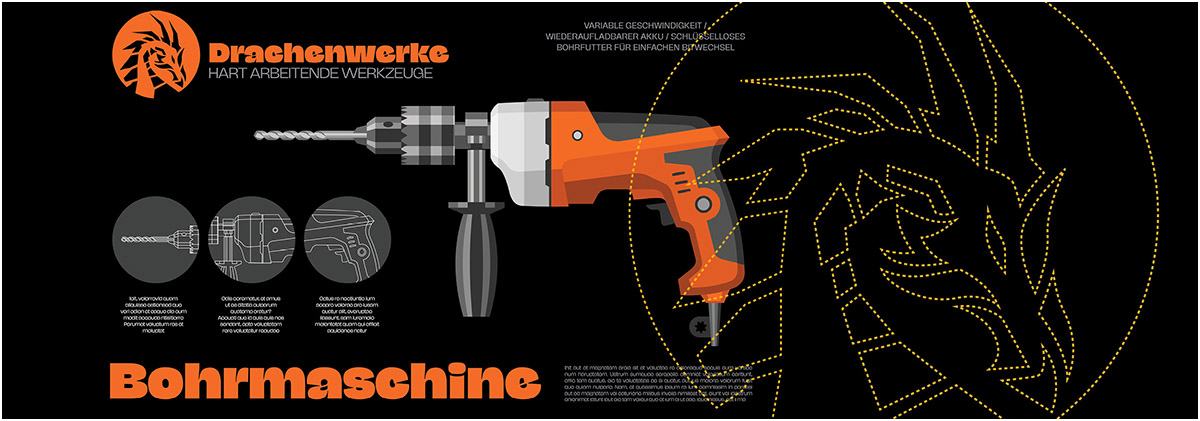

CMYK color printing bridges digital graphic design and tangible print by using overlapping subtractive dots of cyan, magenta, yellow, and black inks to faithfully reproduce complex, full-color imagery on paper.
Graphic design shapes a brand’s visual identity through cohesive color palettes, intentional typography, and memorable logos, translating a company’s core values into a distinct, recognizable personality that builds trust and recognition with its audience.
Bridging physical space and visual communication, wayfinding graphic design relies on intuitive visual cues—ranging from clear signage systems and spatial maps to color-coded pathways—to guide people effortlessly through complex environments.