






Graphic Design Building Blocks 
Graphic Design Building Blocks: Branding

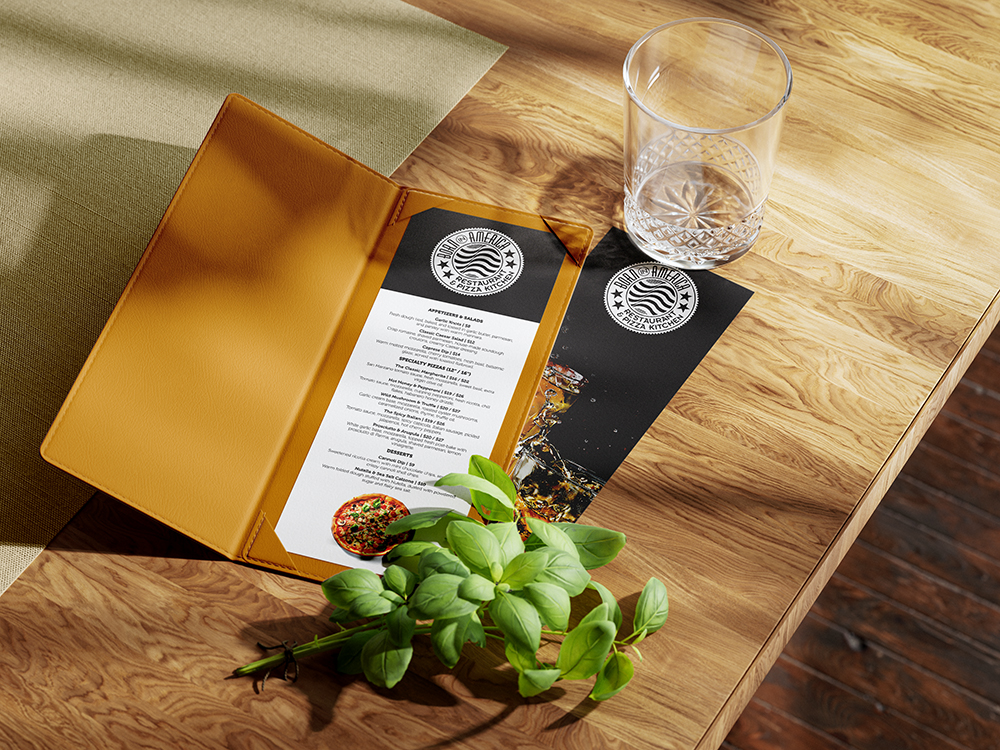
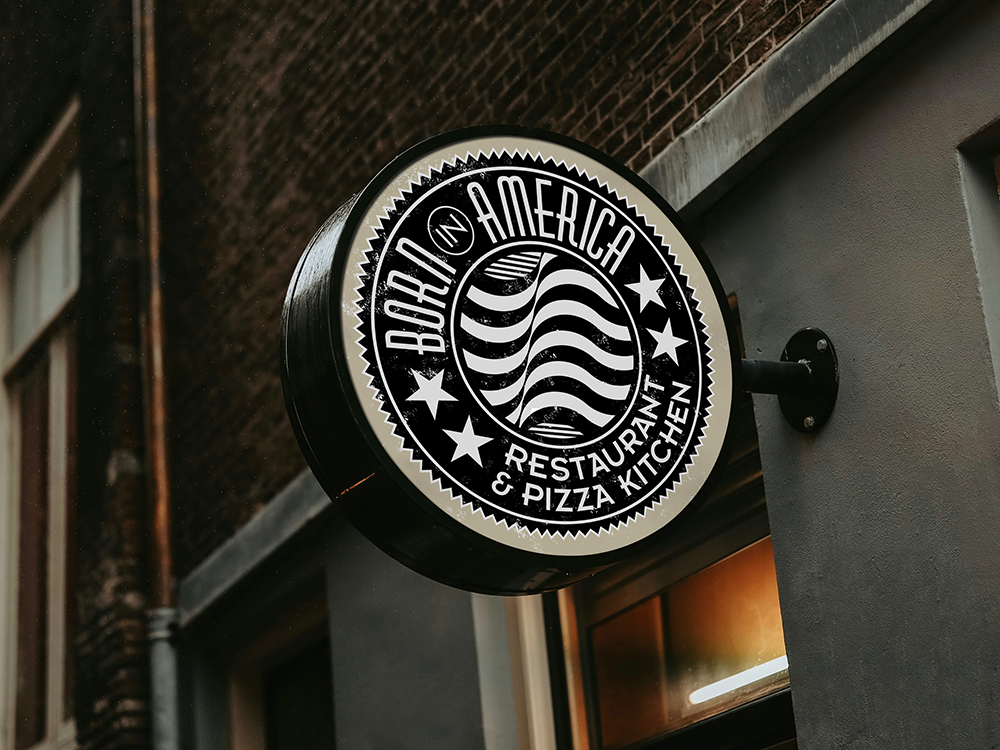
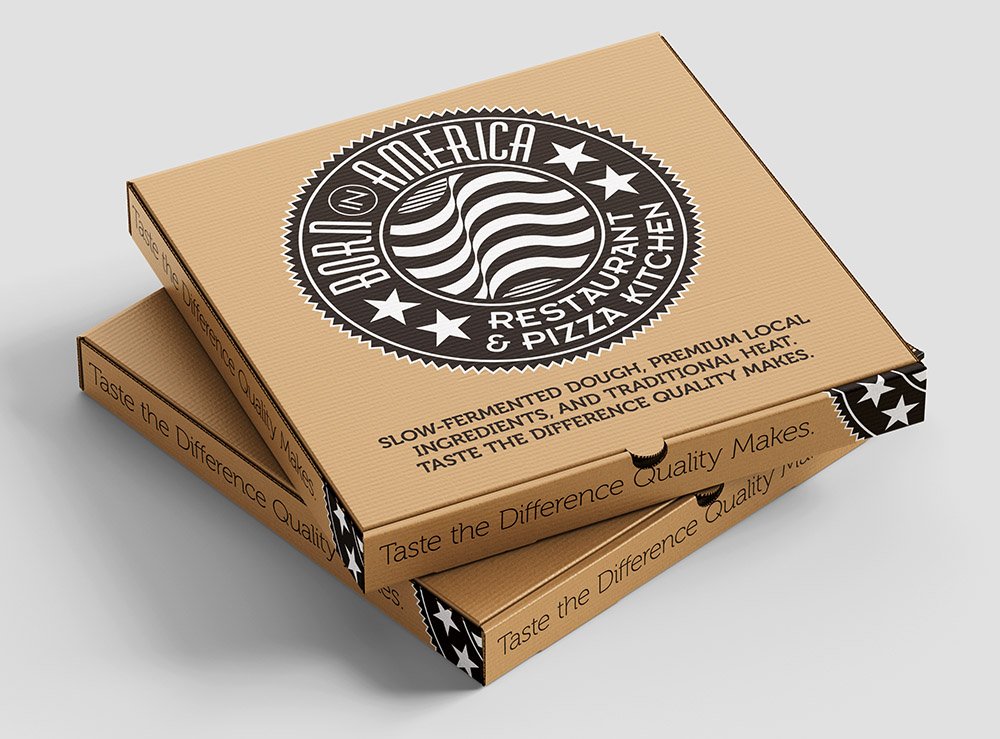
Born in America Pizza Restaurant
Assignment below: Develop a logo for a local pizza restaurant. It helps that the pizza is delicious. A restaurant logo is the visual cornerstone of a dining brand, designed to instantly communicate a venue’s vibe, culinary style, and quality before a customer ever sees the menu. Graphic designers accomplish this by carefully balancing color psychology, typography, and imagery—using warm tones like reds and yellows to stimulate appetite, clean modern sans-serifs for contemporary eateries, or classic serifs and hand-drawn emblems for high-end or rustic establishments. Ultimately, an effective restaurant logo must be versatile enough to work seamlessly across diverse touchpoints, from a illuminated storefront sign and digital reservation app to embroidered chef coats and printed menus.

Learn More About the Building Blocks of Graphic Design
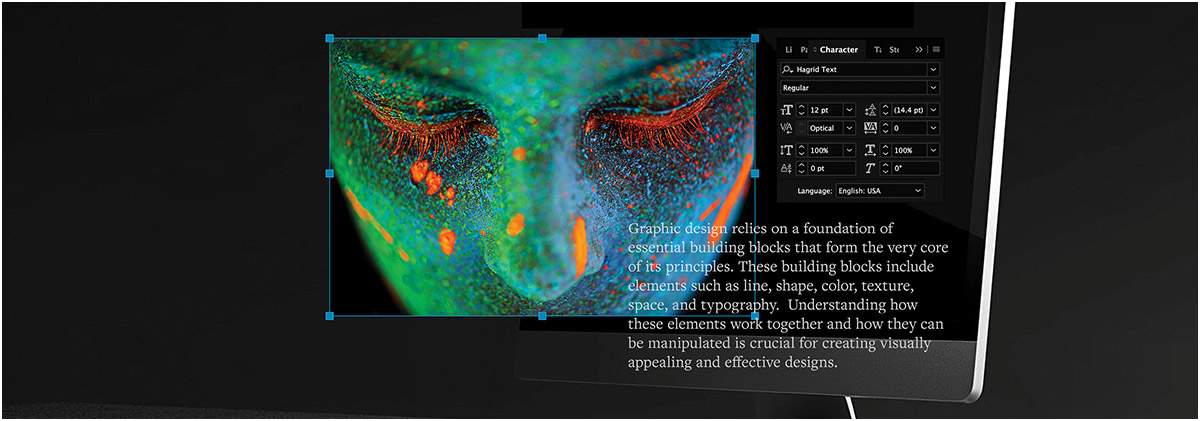
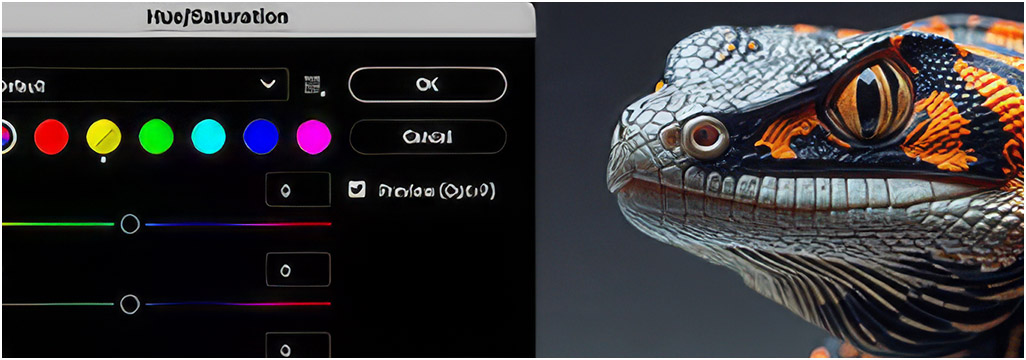
Graphic design establishes the creative vision, typography hierarchy, and visual branding for print and digital media, while Adobe InDesign serves as the industry-standard layout power tool that precision-engineers those elements.
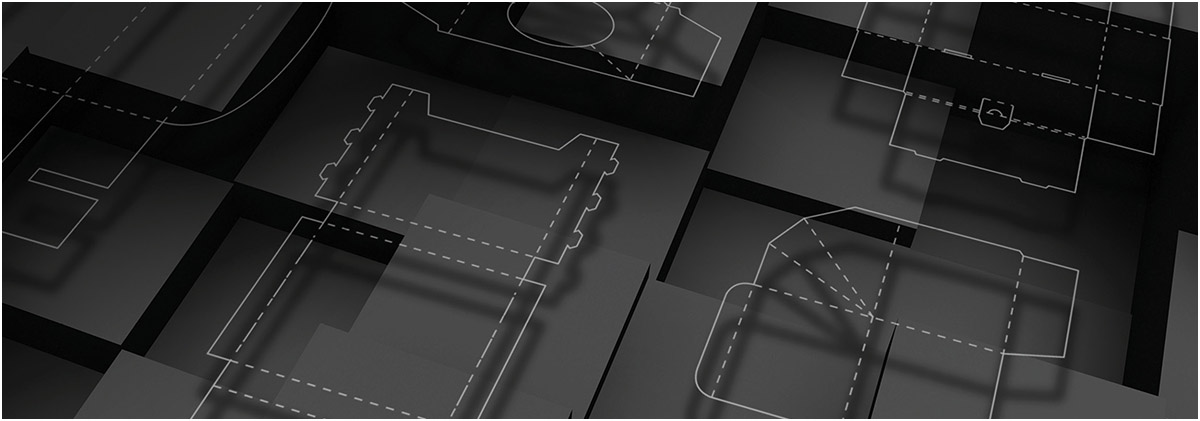
Graphic design transforms functional product packaging into an engaging tactile experience by fusing structural layout, brand typography, and persuasive visual hierarchy to instantly capture attention on crowded retail shelves.
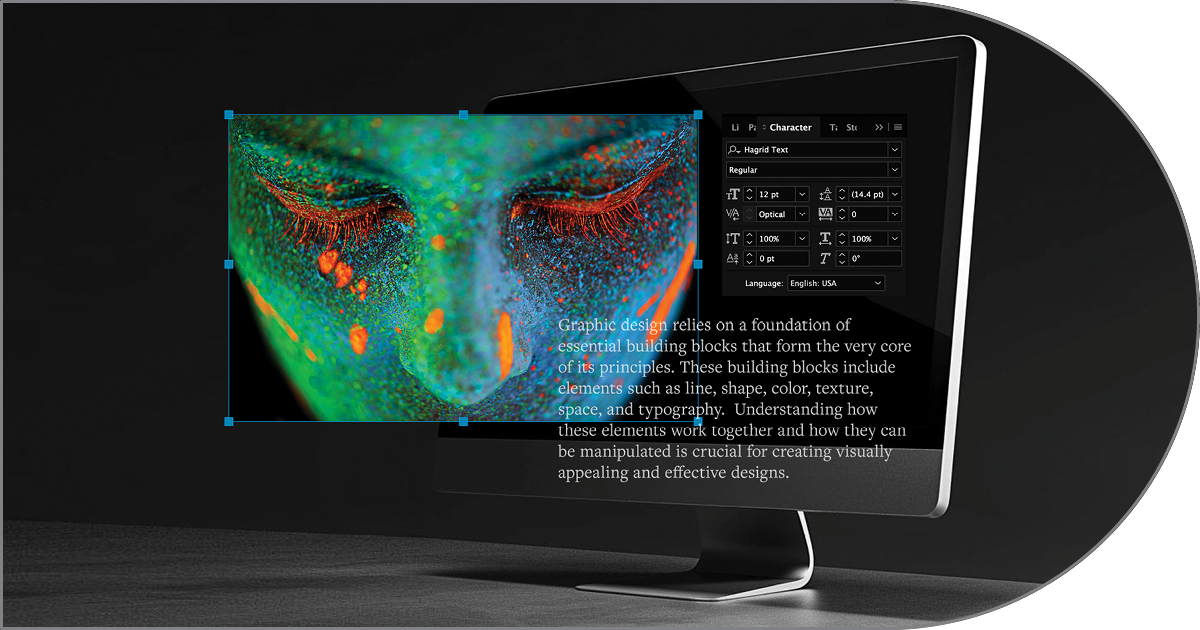
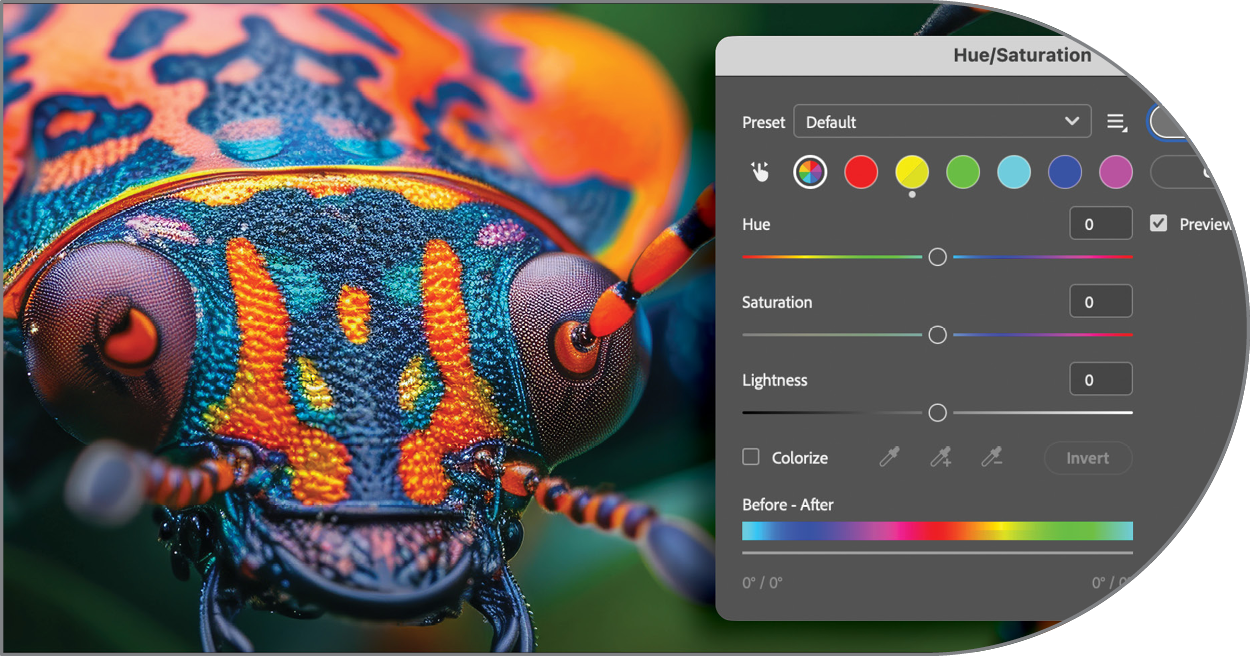
Adobe Photoshop serves as an essential digital canvas for graphic designers, enabling them to manipulate images, blend complex visual layers, and refine intricate raster graphics with extraordinary precision.
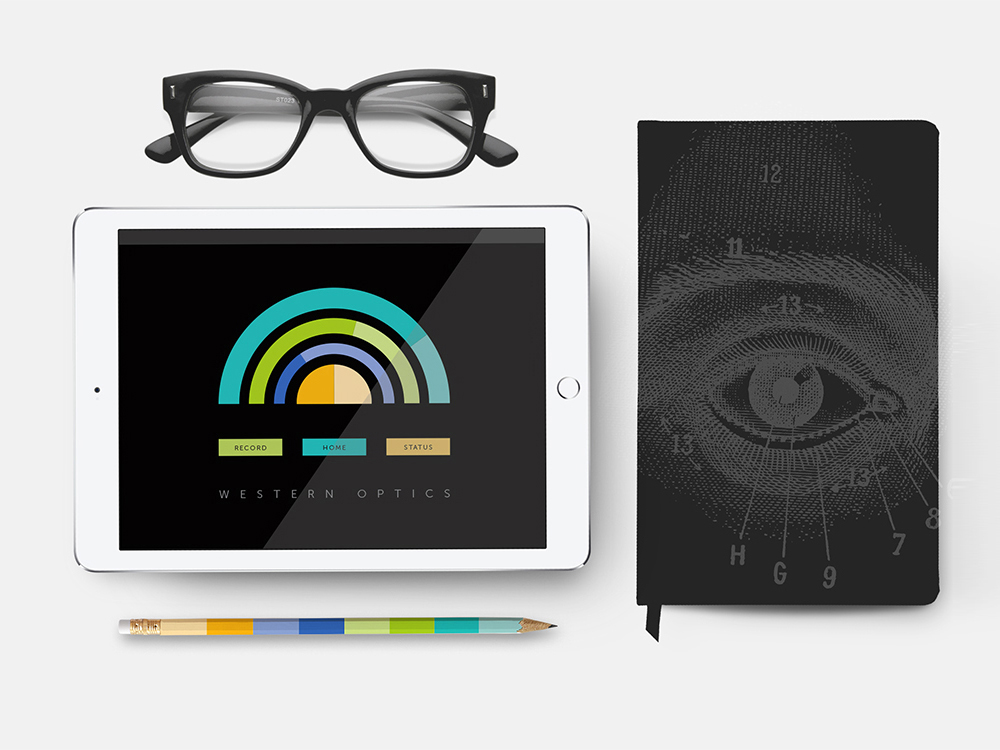
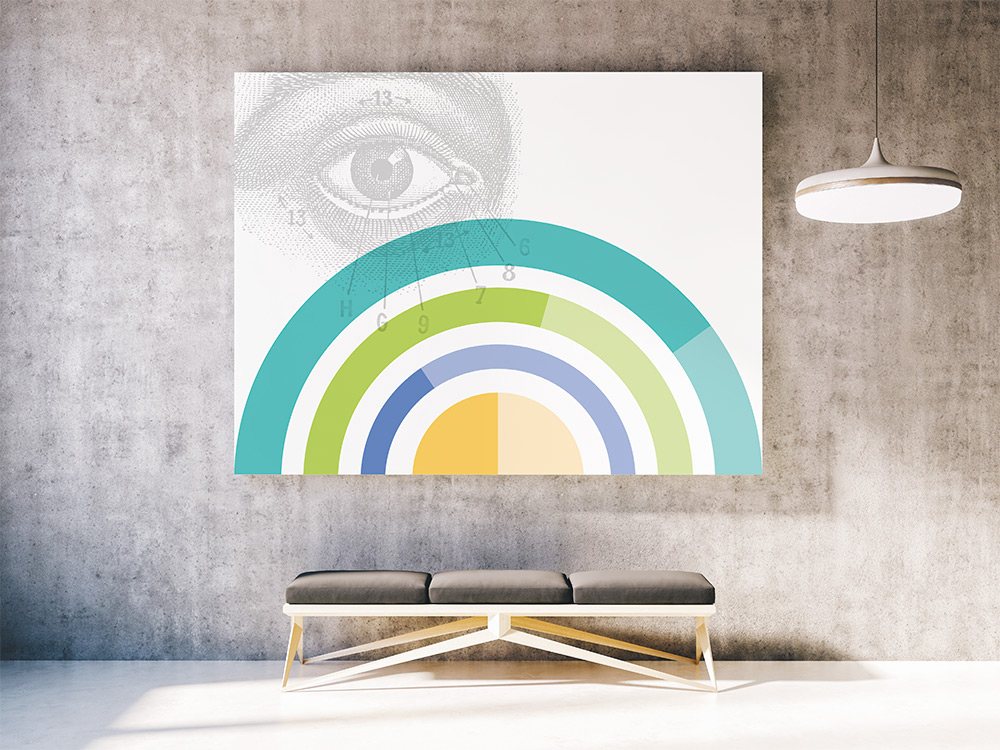
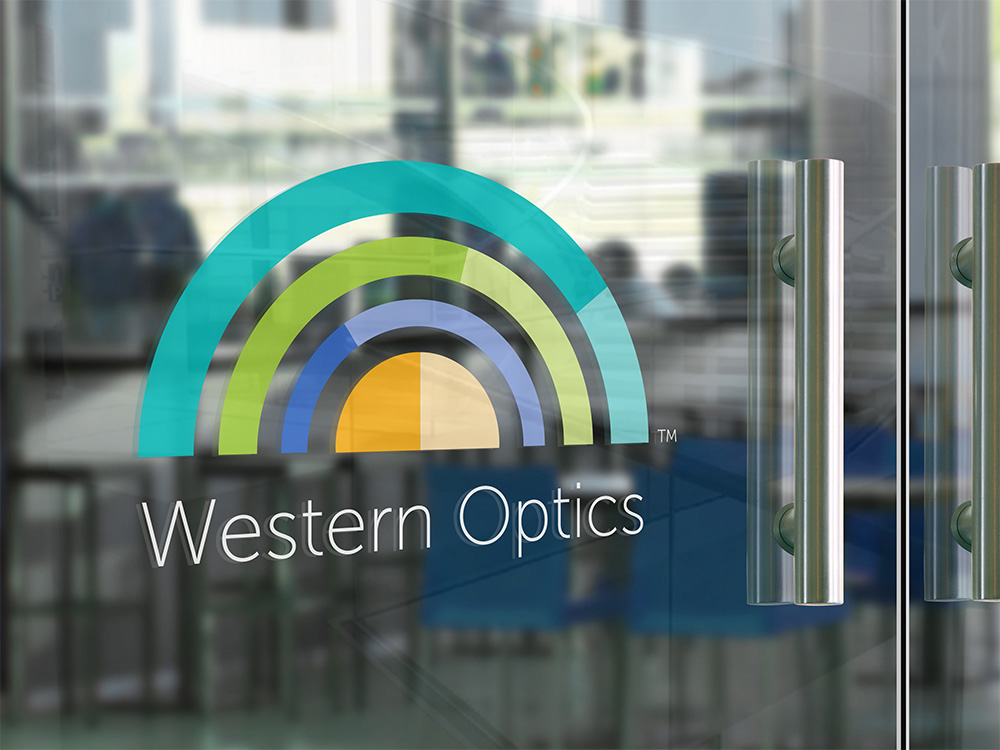
Western Optics
Assignment below:: develop branding for a company that makes large lenses for specialty markets. A high-end optical logo relies on understated elegance and refined geometric precision to convey clarity, sophistication, and clinical trust. Designers typically leverage ultra-clean line work, subtle optical illusions, or abstract silhouette motifs of eyewear and lenses paired with bespoke, high-contrast serif or sharp minimalist sans-serif typography. Using deep, muted color palettes—such as matte black, warm bronze, or dark slate—these logos avoid heavy-handed eye icons in favor of quiet luxury and architectural proportion, ensuring the mark looks as refined hot-stamped on a leather glasses case or etched into titanium frames as it does on a boutique storefront.

DNS Gard
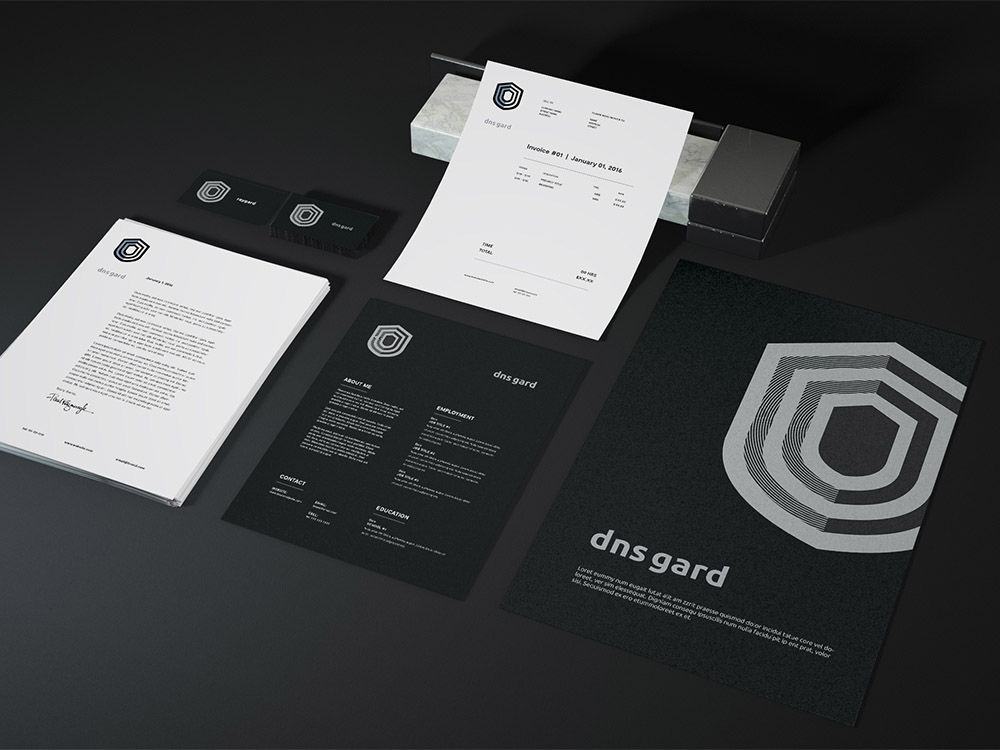
Assignment below: Develop corporate identity for a software company. Graphic design software encompasses a wide range of applications tailored for visual storytelling, branding, typography, and page layout. Modern tools span two distinct domains: high-precision desktop applications like Adobe Creative Cloud (Photoshop, Illustrator, and InDesign) or perpetual-license alternatives like Affinity, which offer detailed control over vector paths, pixel manipulation, color profiles, and multi-page print production; and browser-based, collaborative platforms like Figma, Canva, and Adobe Express, which streamline real-time teamwork, UI/UX prototyping, and template-based content creation. Driven by advances in generative AI, cloud syncing, and responsive design features, modern software empowers professional creators, publishers, and non-designers alike to produce scalable vector graphics, complex layouts, and digital media efficiently across print and screen environments.



Mercer Canada
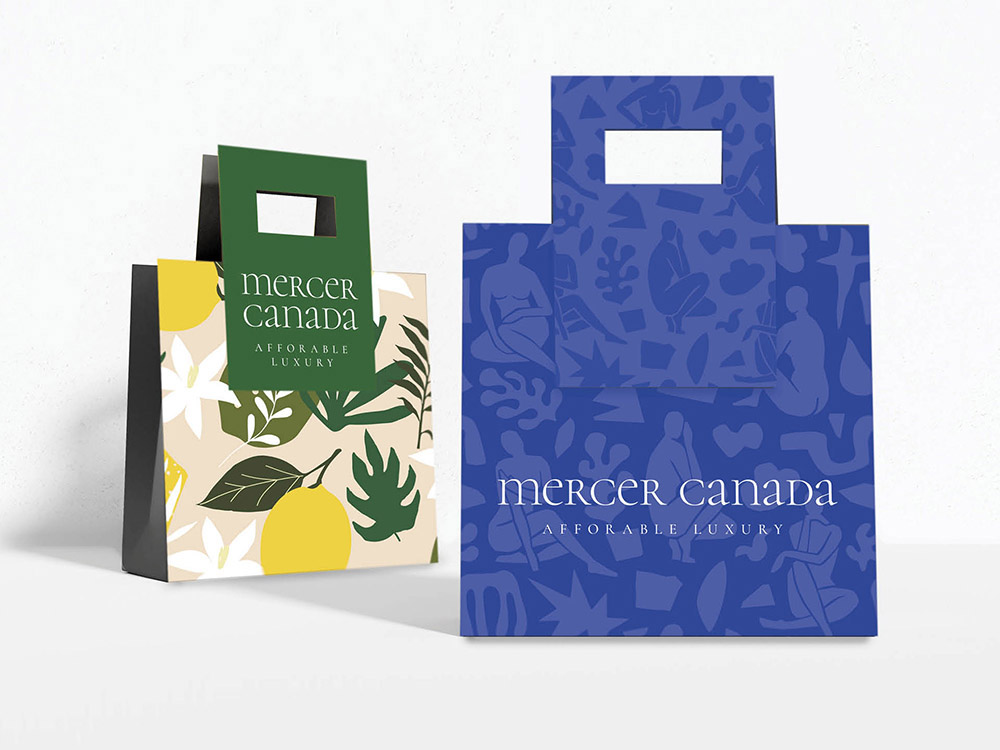
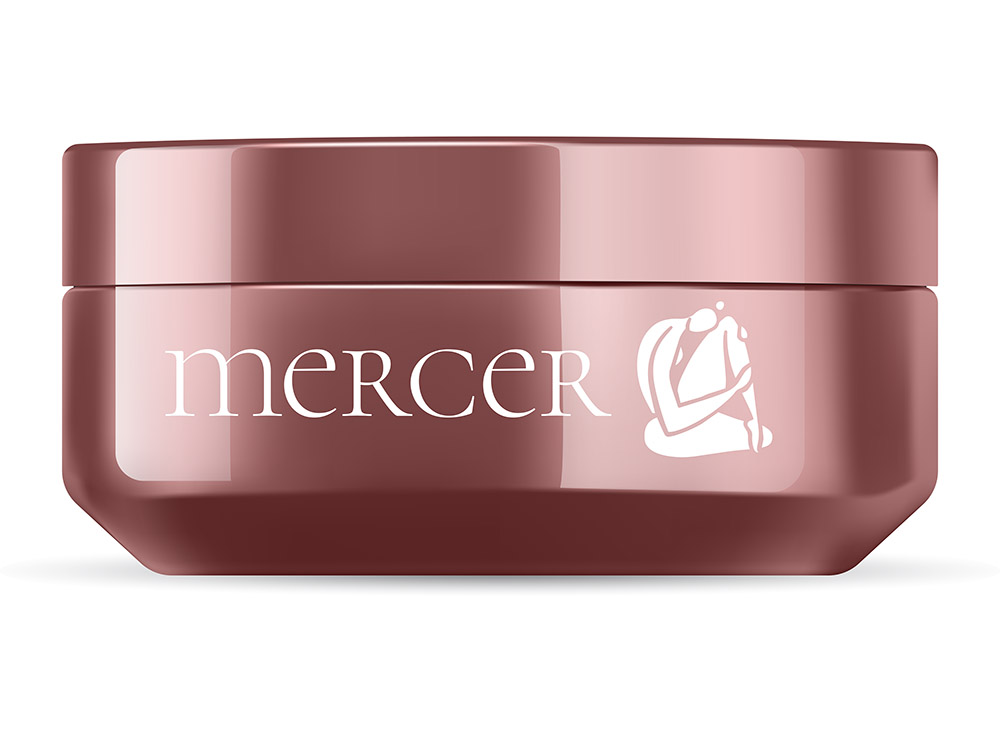
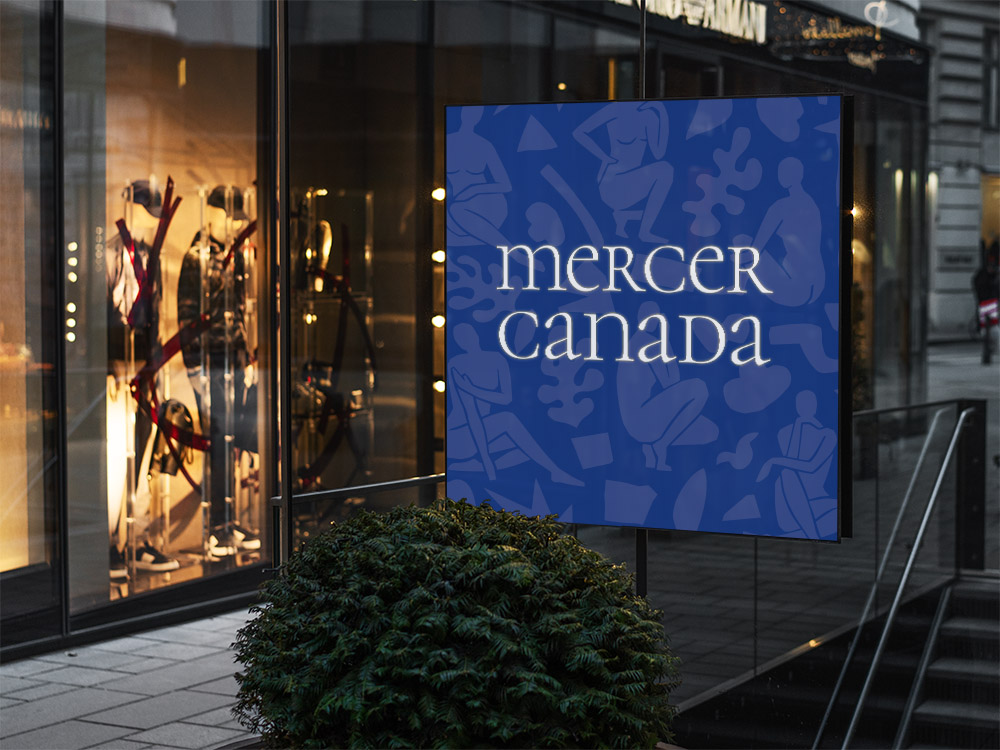
Assignment below: Develop branding for a high-end, Toronto-based clothing store. Graphic design in high-end department stores plays a pivotal role in shaping luxury brand identity, elevating the customer experience, and driving visual merchandising. From bespoke typography and sophisticated print collateral—such as embossed shopping bags, tactile gift packaging, and elegant seasonal catalogs—to architectural wayfinding signage and immersive digital displays, high-end retail design relies on clean visual hierarchy, generous white space, and refined color palettes. Modern luxury department stores like Saks Fifth Avenue, Bergdorf Goodman, and Harrods blend classic print techniques, such as spot colors and foil stamping, with sleek motion graphics and digital storefront visuals, ensuring every touchpoint reflects exclusivity, craftsmanship, and cohesive narrative elegance.

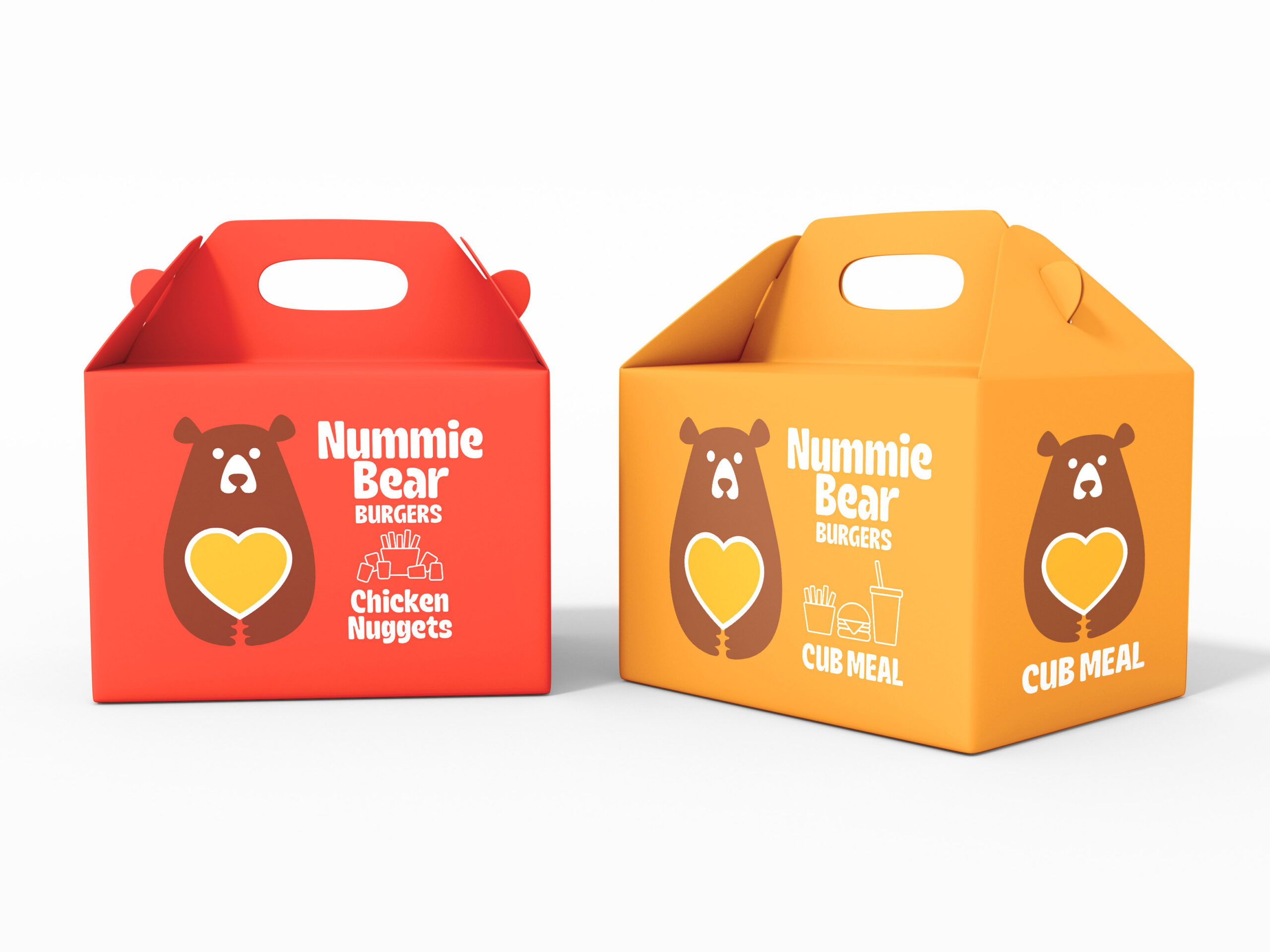
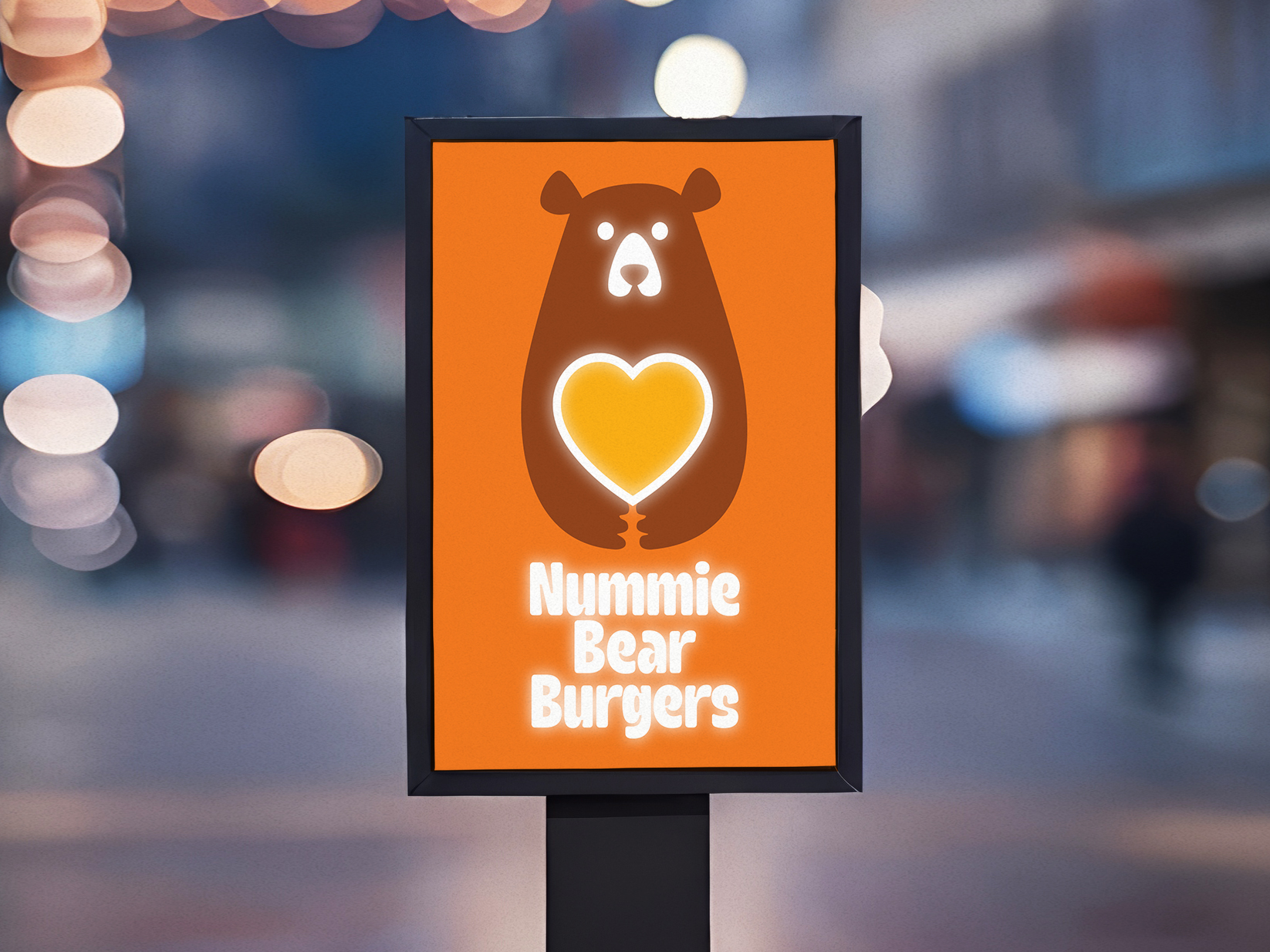
Nummie Bear Burgers
Assignment below: Develop identity for a Tokyo-based fast food chain. Graphic design in the fast food industry relies heavily on visual psychology to grab attention, stimulate appetite, and drive quick decision-making. Designers use high-contrast color palettes—most famously warm tones like red and yellow—to trigger feelings of hunger, energy, and urgency. Clear typography, bold logo marks, and mouth-watering photography take center stage across packaging, drive-thru menu boards, and digital apps to make ordering effortless. By creating cohesive identity systems across everything from fry boxes to mobile interfaces, fast food graphic design turns everyday food items into instantly recognizable, craving-inducing global brands.



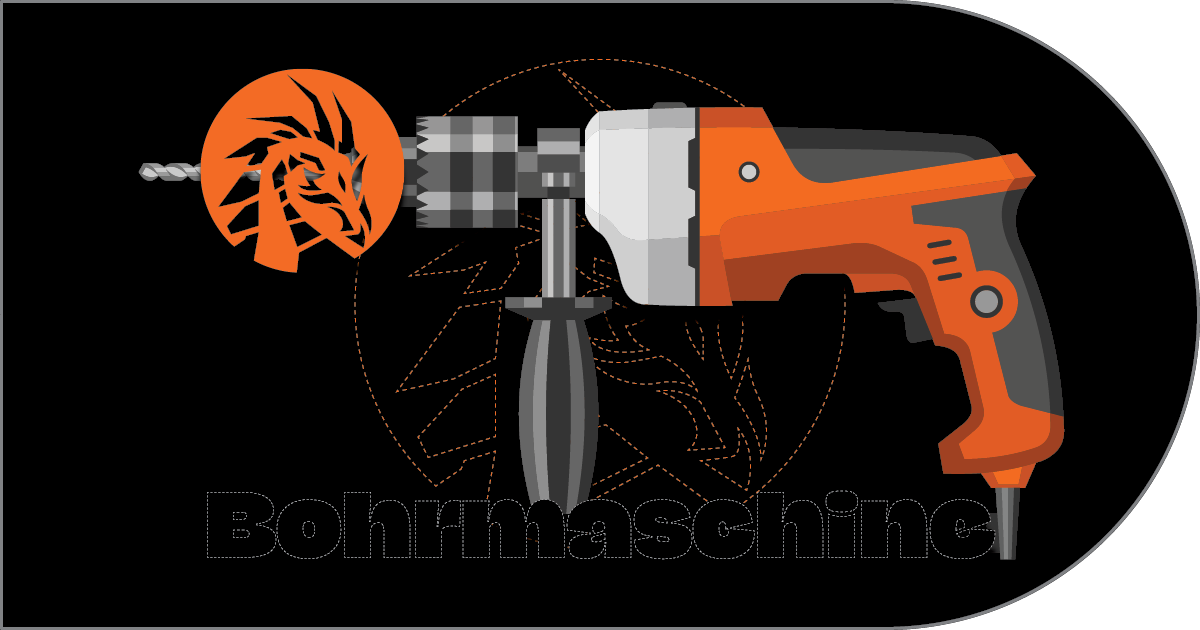
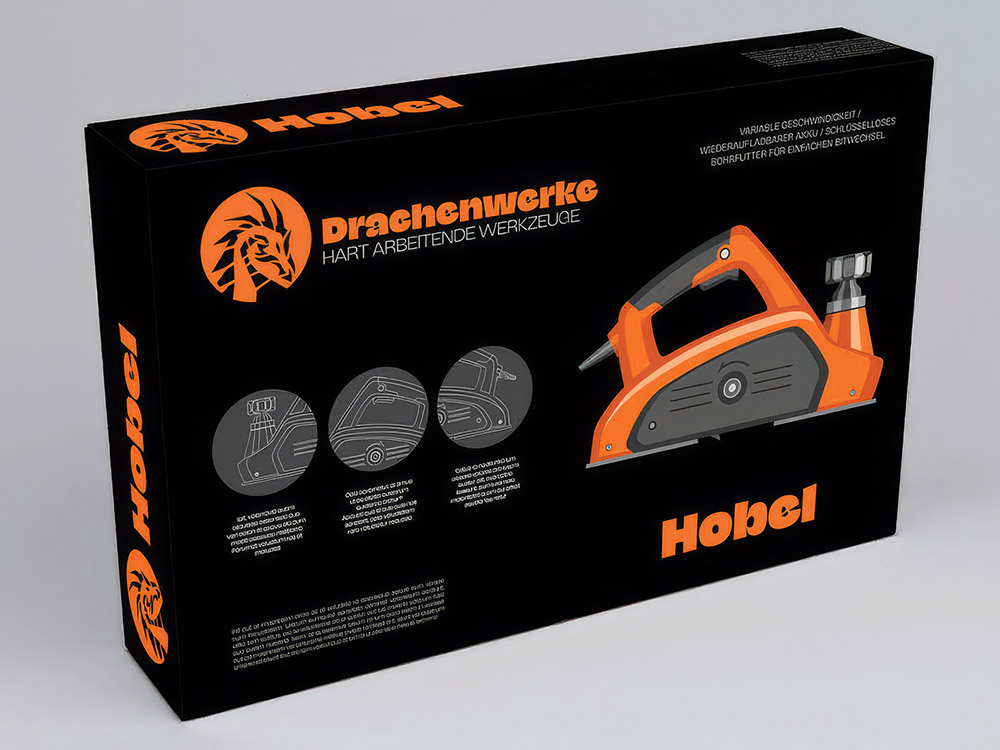
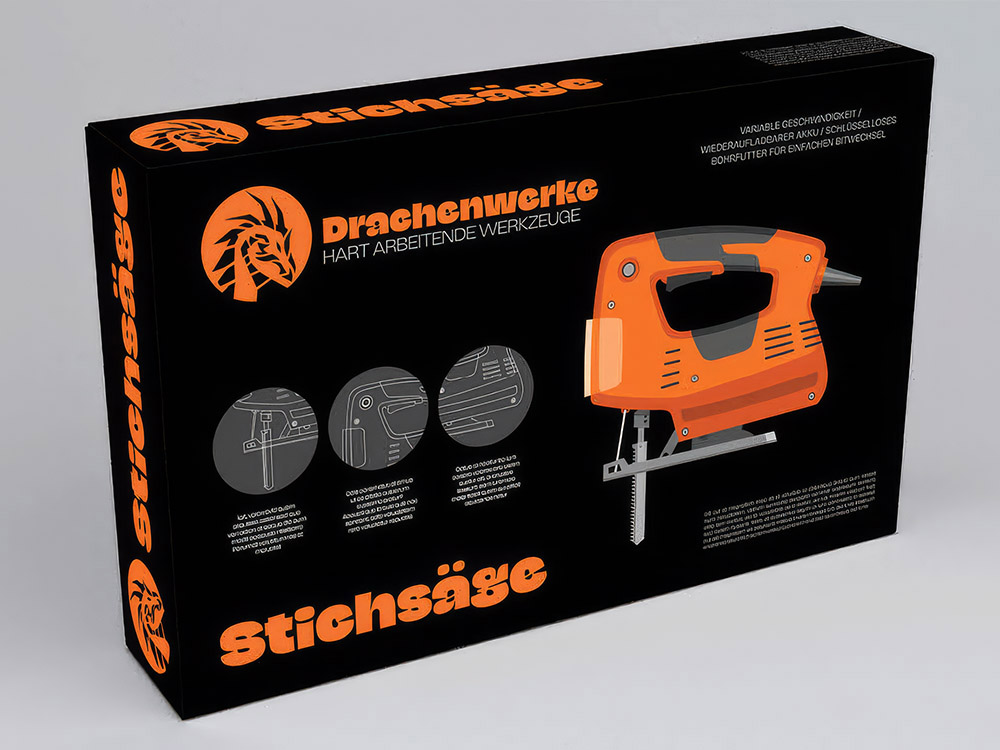
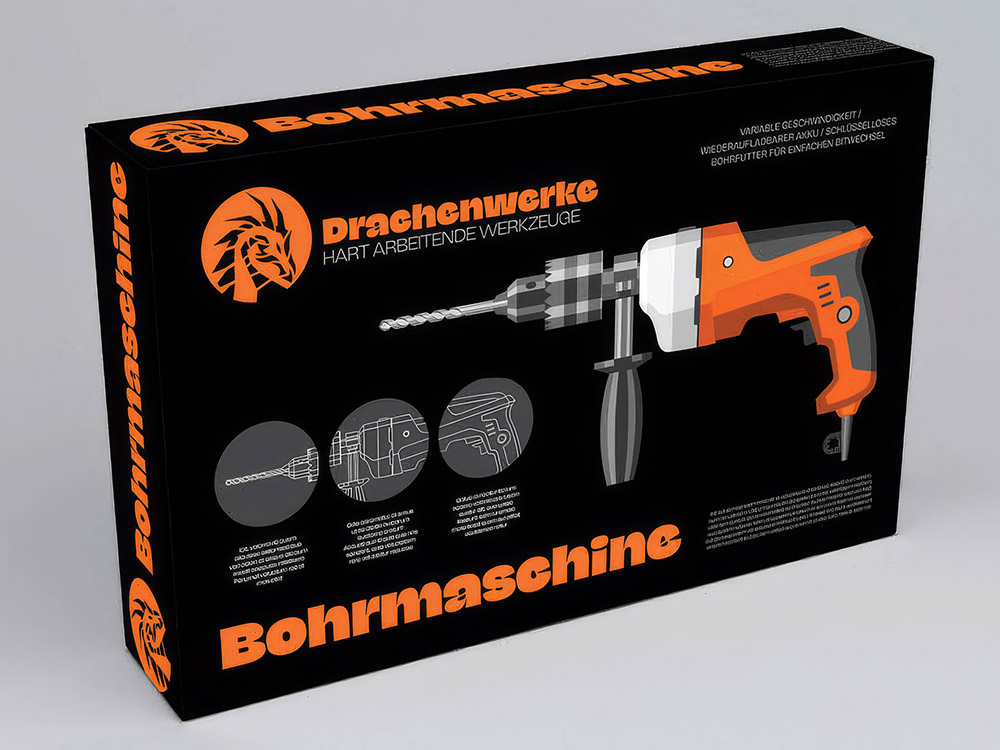
Drachenwerke Power Tools (Germany>
Assignment below: Develop packaging for Germany-based Drachenwerke power tools. Branding packaging graphic design is the strategic art of translating a company’s identity, values, and story into a tangible visual experience that drives consumer decisions on the shelf. It goes far beyond mere aesthetics; it fuses typography, color theory, structure, and imagery to create an immediate emotional connection with buyers in a split second. Effective packaging design acts as a 24/7 silent salesperson, using visual hierarchy to convey essential product information clearly while cutting through the noise of a crowded marketplace. By aligning tactile materials with cohesive branding elements, designers create a memorable unboxing experience that builds trust, reinforces brand equity, and transforms first-time buyers into loyal brand advocates.

Learn More About the Building Blocks of Graphic Design


White space, far from being mere empty area, acts as an active structural element in graphic design that gives visual components room to breathe, guides the viewer’s eye through a clear hierarchy, and elevates overall legibility and sophistication.
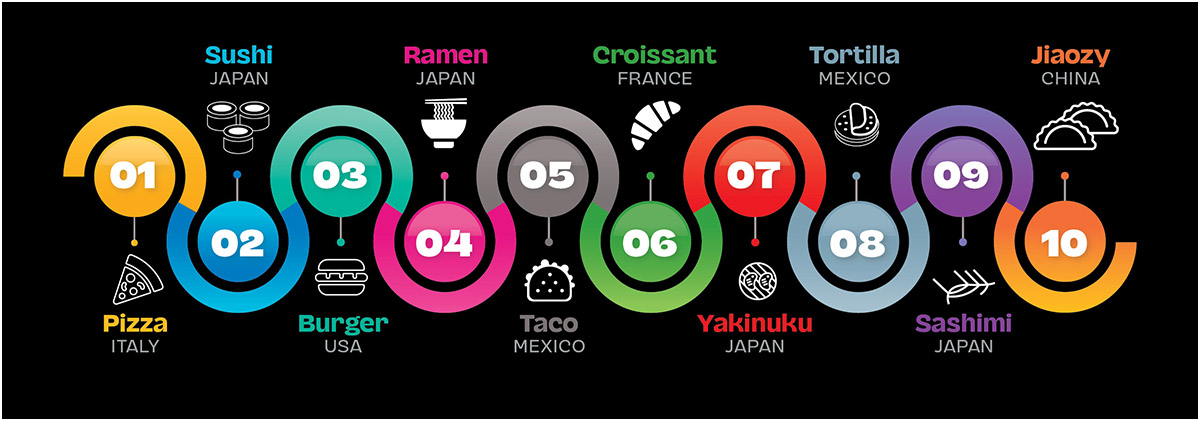
An infographics graphic designer translates complex data and information into clear, visually engaging illustrations and charts that make narrative insights effortlessly readable for any audience.
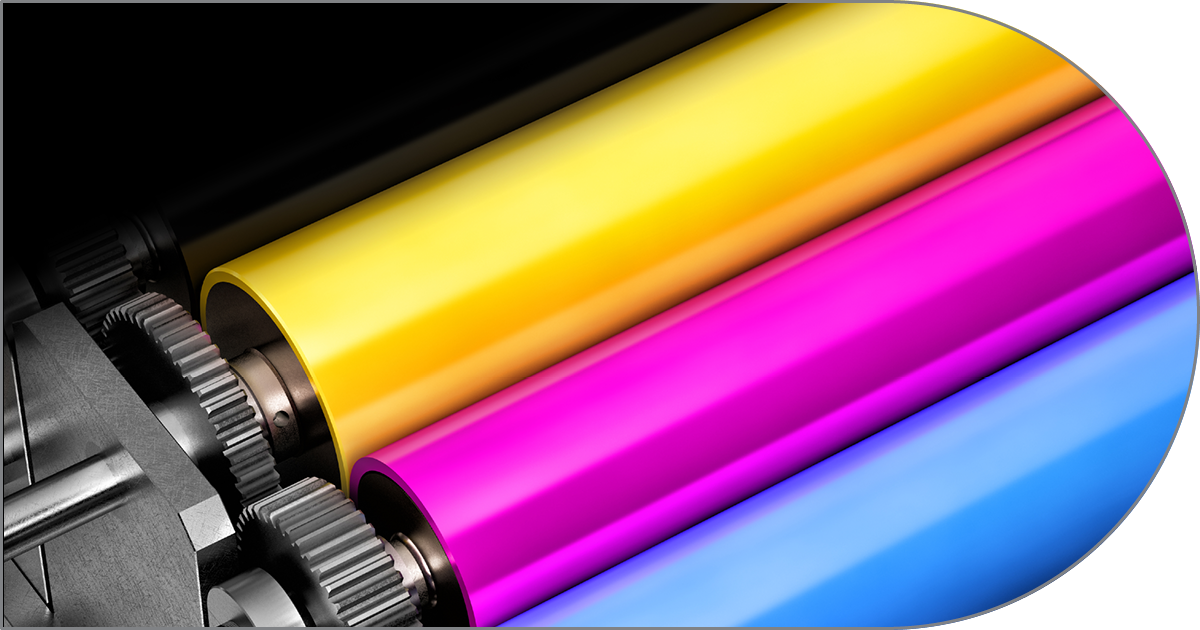
A skilled graphic designer seamlessly bridges the digital and print worlds by designing in the RGB color model to maximize color vibrancy on screens, while masterfully translating those assets into the CMYK color space to guarantee exact hue fidelity and sharp contrast for physical printing.
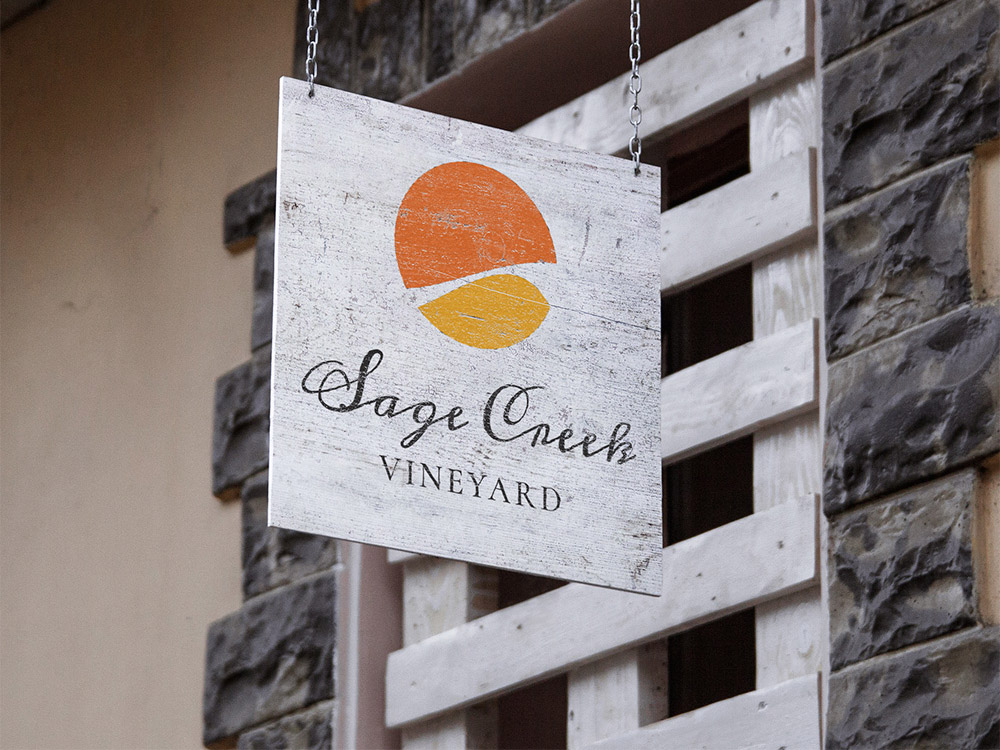
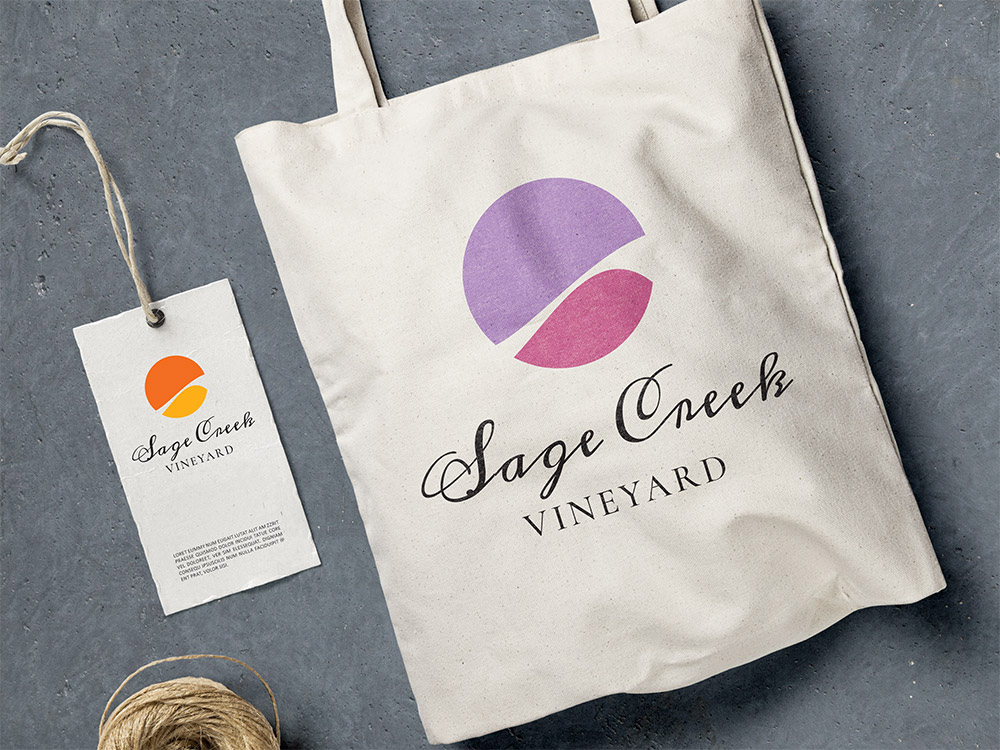
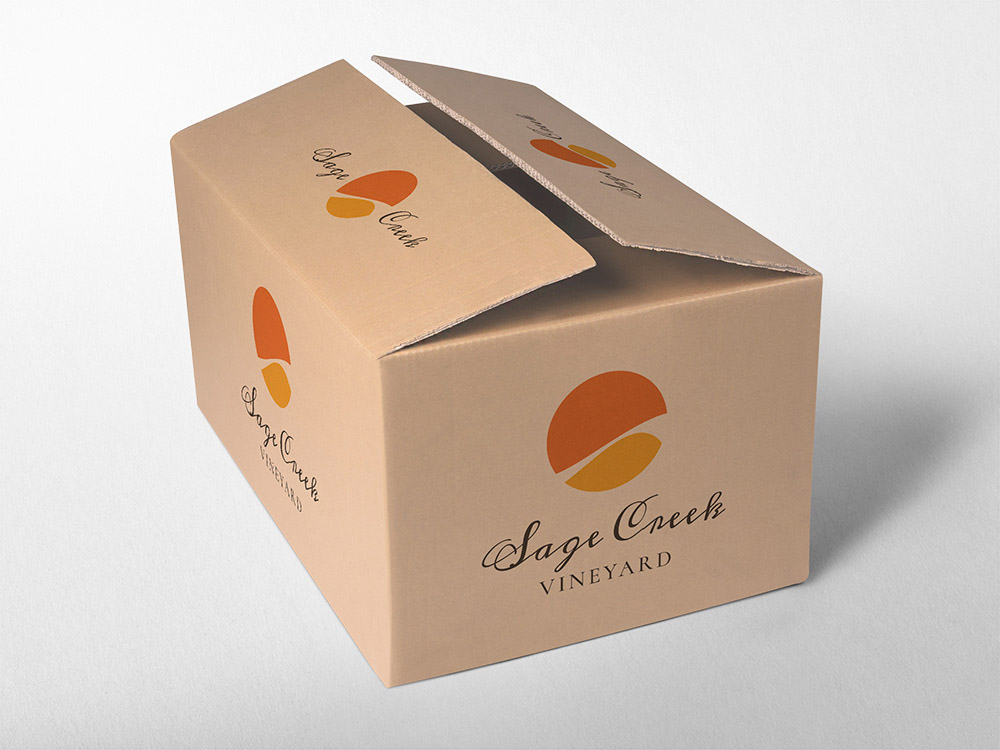
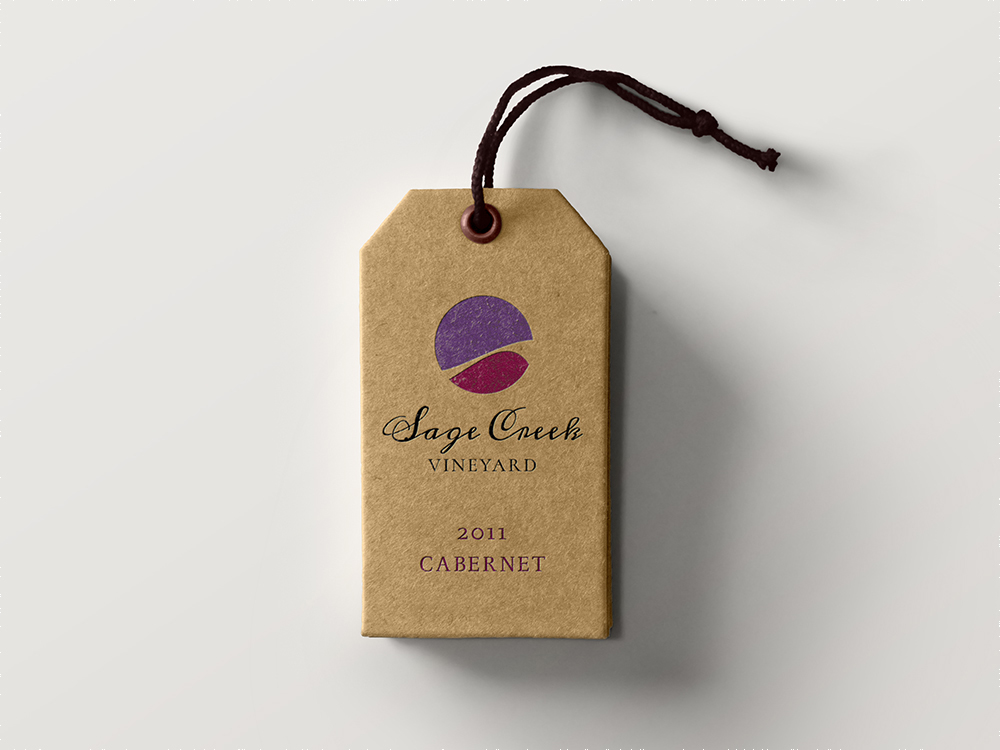
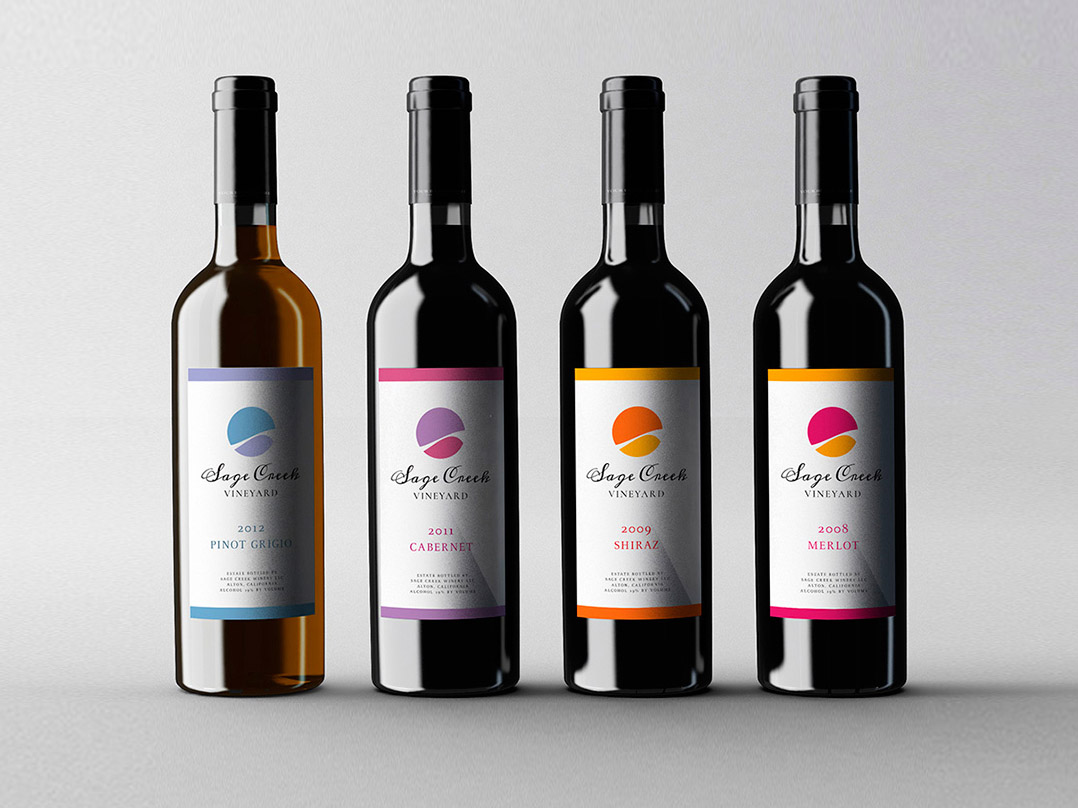
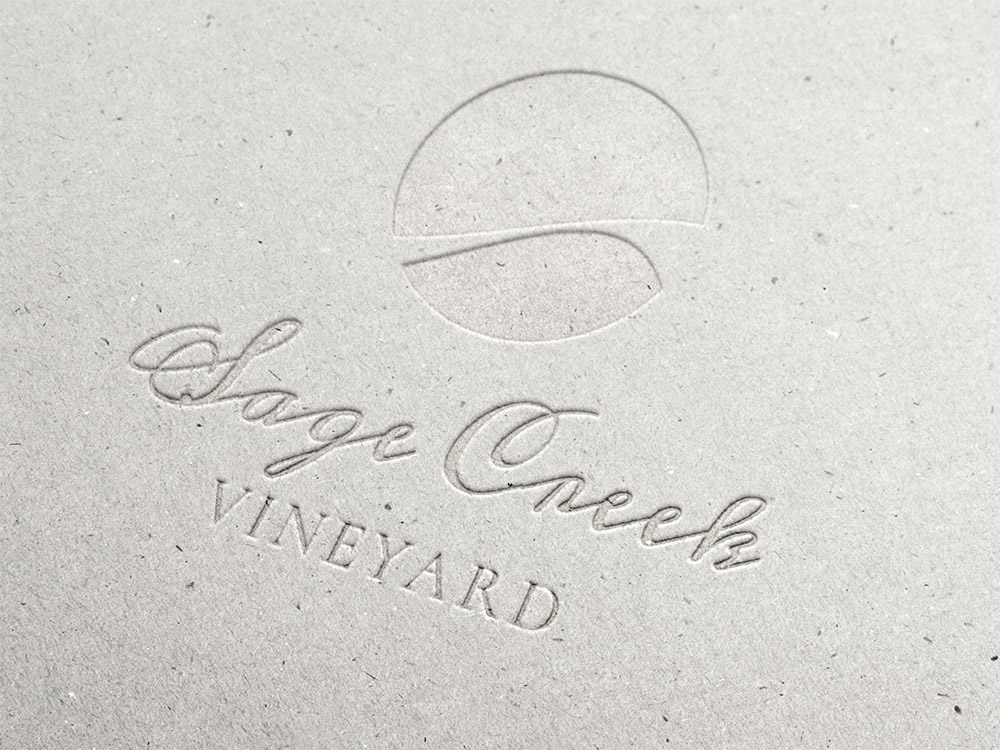
Sage Creek Vineyard (Oregon)
Assignment below: Develop branding for a winery. Winery branding packaging graphic design is the delicate art of bottling a vineyard’s heritage, terroir, and craftsmanship into a single, compelling sensory story. Because consumers frequently choose wine based on label appeal alone, graphic design serves as the primary bridge between a bottle and a buyer’s palate. It blends sophisticated typography, thoughtful color palettes, and bespoke illustrations to reflect whether a vintage is rooted in classic Old World tradition or vibrant New World innovation. Beyond the visual front label, effective winery packaging leverages tactile details—such as textured paper stocks, metallic foil stamping, embossed seals, custom wax closures, and sleek outer gift boxes—to evoke prestige and luxury before the cork is even popped. By harmonizing these physical and graphic elements, a winery creates a memorable identity that captures attention on competitive retail shelves, elevates the uncorking experience,

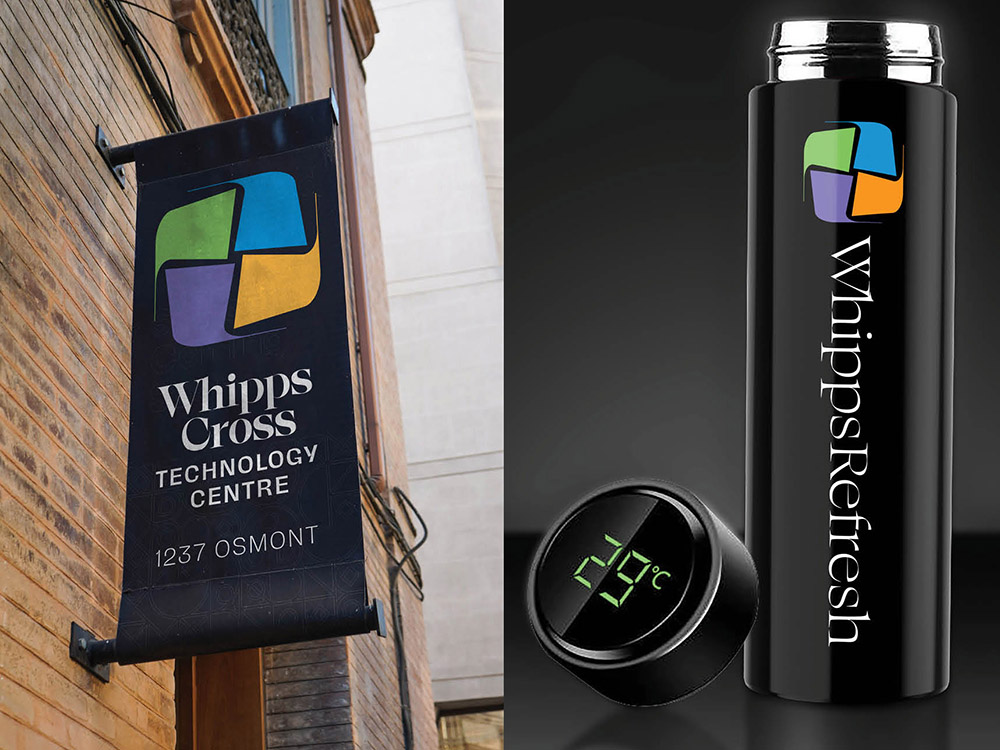
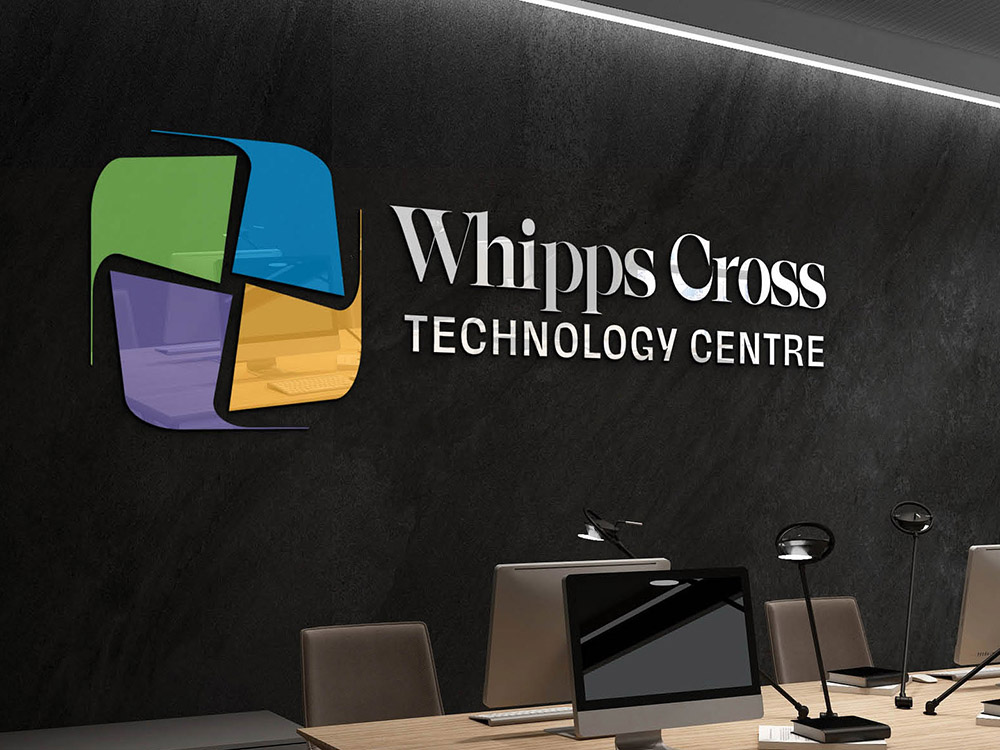
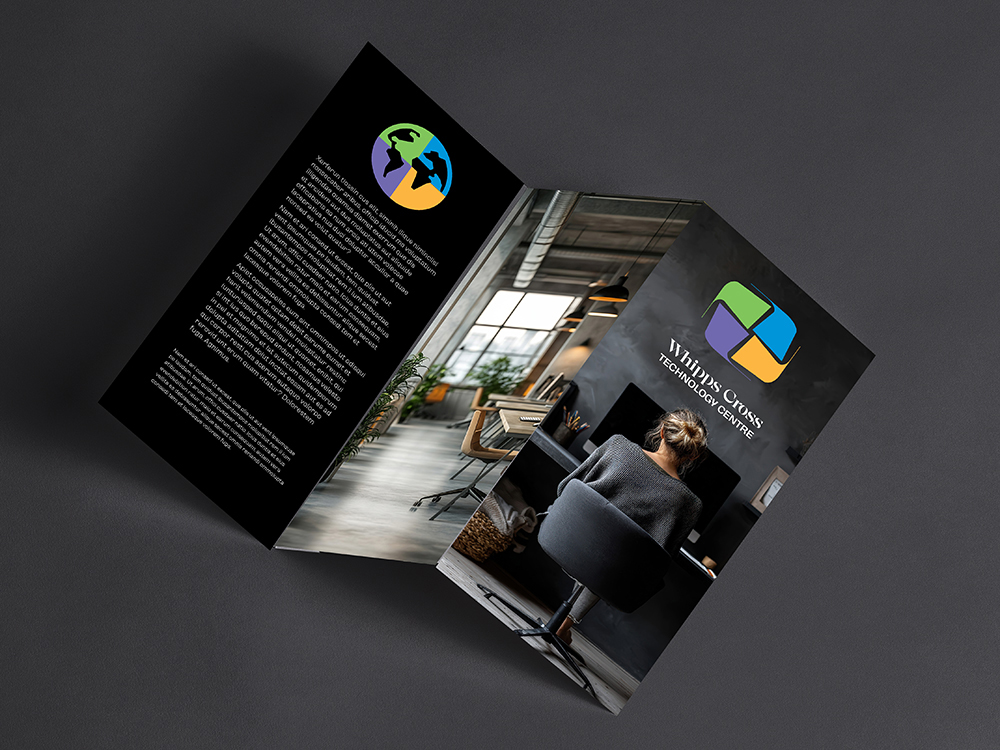
Whipps Cross Technology Center (London)
Assignment below: Design logo for London-Based technology centre. Branding graphic design for a technology center requires a forward-thinking visual language that communicates cutting-edge innovation, reliability, and human-centric accessibility. Unlike traditional retail branding, a tech center’s identity system must seamlessly bridge physical architecture—such as immersive environments, interactive wayfinding, and collaborative labs—with dynamic digital touchpoints. It leverages sleek typography, modular grid systems, and vibrant color gradients or precise minimalist palettes to project precision and adaptability. By translating complex concepts like cloud infrastructure, artificial intelligence, and hardware engineering into intuitive visual markers, strategic graphic design unifies a workspace, fosters community among diverse tech tenants, and positions the hub as a premier destination for digital evolution.

Learn More About the Building Blocks of Graphic Design
White space, far from being mere empty area, acts as an active structural element in graphic design that gives visual components room to breathe, guides the viewer’s eye through a clear hierarchy, and elevates overall legibility and sophistication.
An infographics graphic designer translates complex data and information into clear, visually engaging illustrations and charts that make narrative insights effortlessly readable for any audience.
A skilled graphic designer seamlessly bridges the digital and print worlds by designing in the RGB color model to maximize color vibrancy on screens, while masterfully translating those assets into the CMYK color space to guarantee exact hue fidelity and sharp contrast for physical printing.
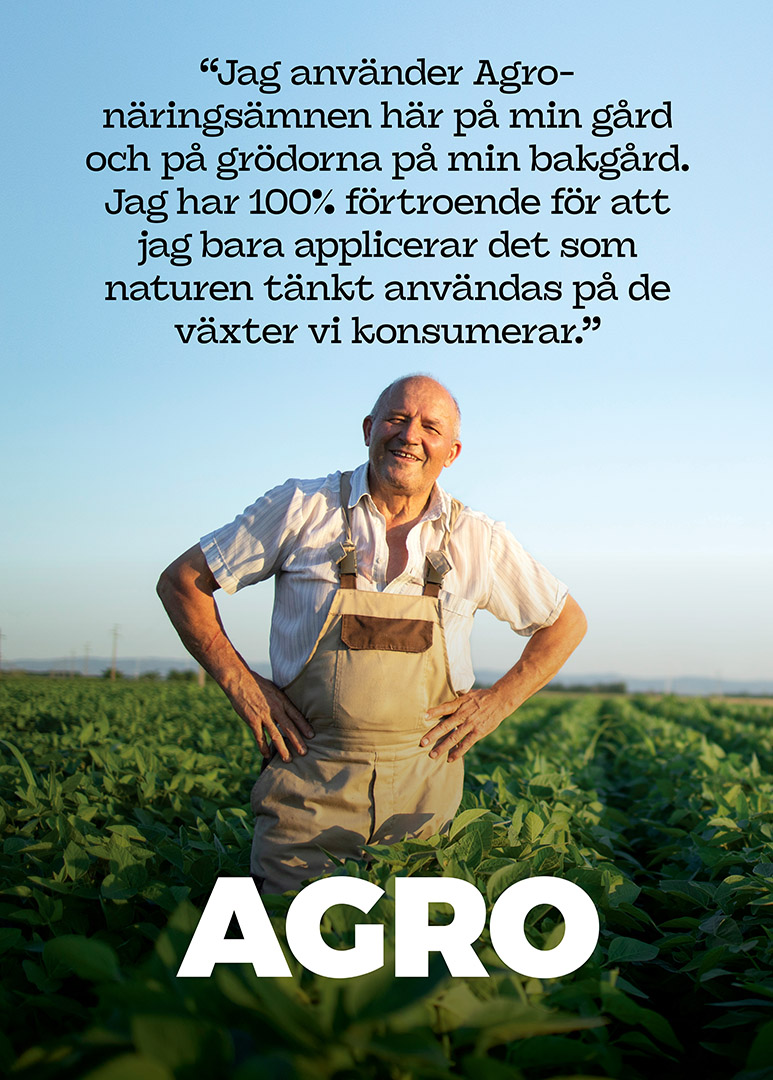
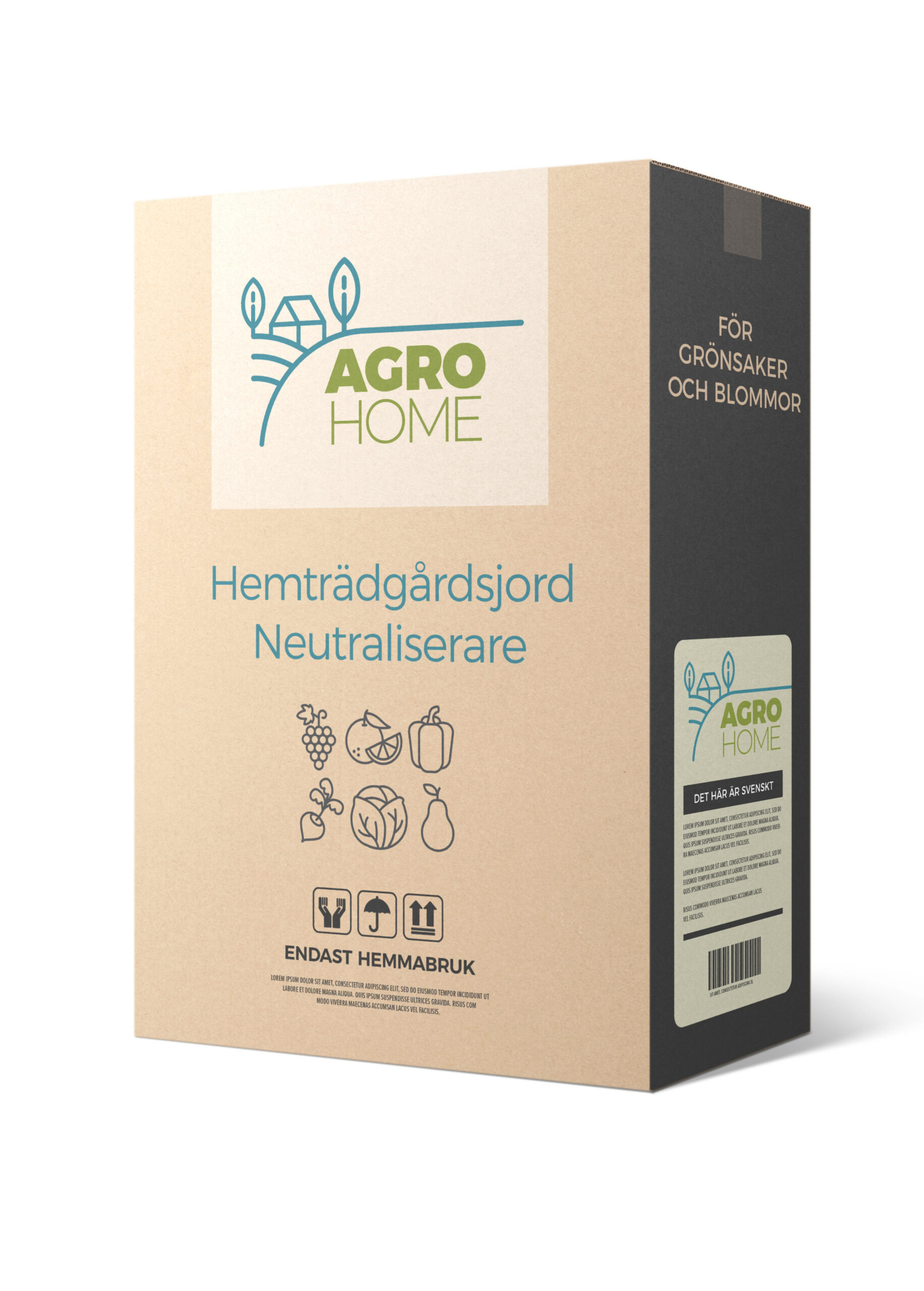
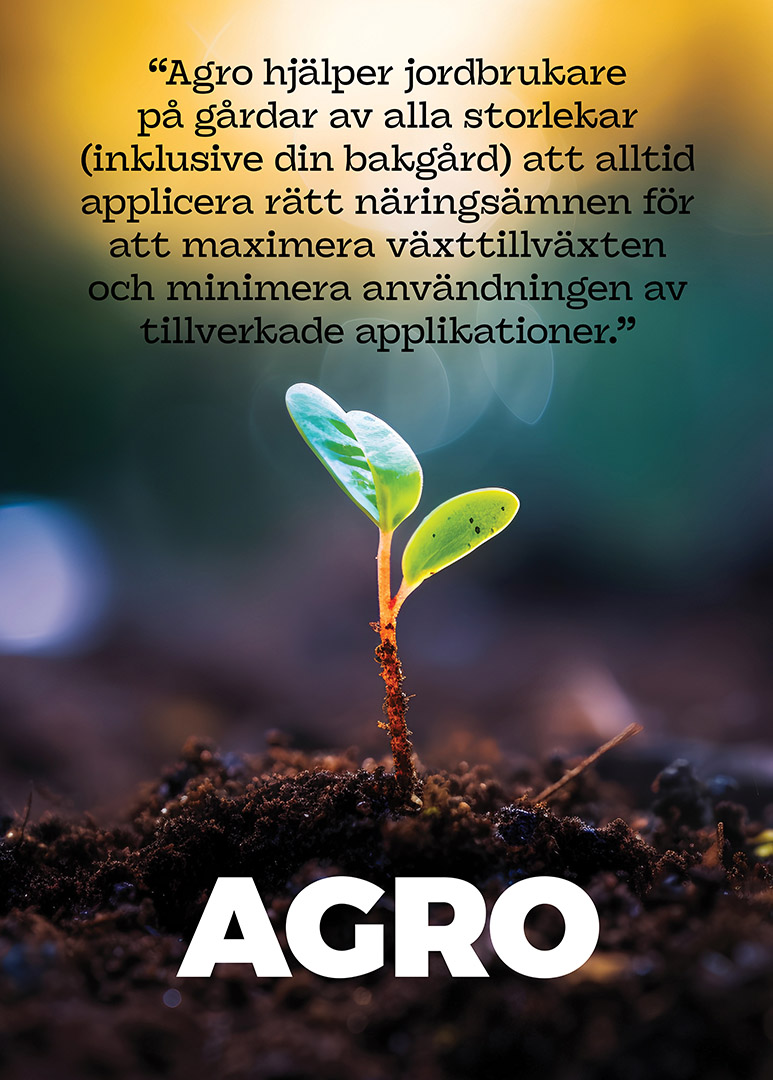
Agro All Natural Seed and Fertilizer (Sweden)
Assignment below: Design logo and apply to Agro’s packaging, interior design and packaging. Branding graphic design for an all-natural seed and fertilizer company grounds a commitment to sustainability in a warm, trustworthy visual identity. Moving past generic green labels, modern eco-branding fuses organic textures, hand-drawn botanical illustrations, and warm earth tones with clean typography to clearly signal non-toxic, eco-conscious stewardship. Graphic design serves to demystify technical agricultural information—such as germination rates, soil balancing, and application schedules—by translating dense data into clean iconography and highly readable infographics. By selecting tactile, Earth-friendly materials like unbleached kraft paper, post-consumer recycled cardboard, and vegetable-based inks, the physical packaging directly mirrors the organic purity inside. This cohesive alignment between environmental values, transparent product visual hierarchy, and tactile design creates an authentic, inviting presence on hardware store shelves, transforming garden enthusiasts and commercial growers alike into confident, loyal patrons.

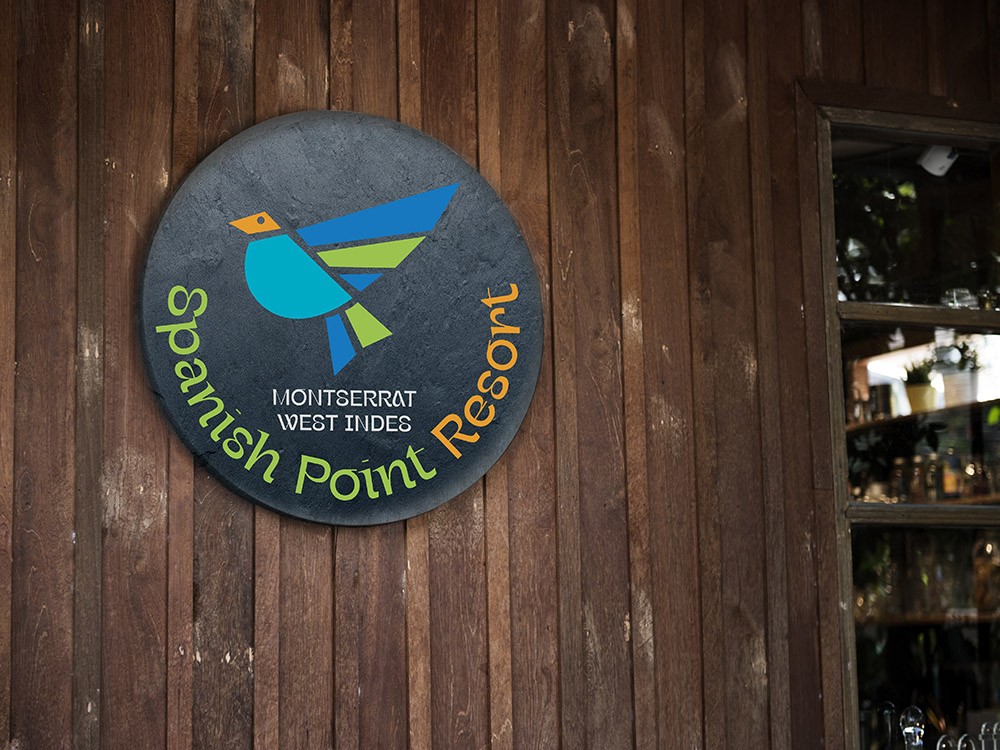
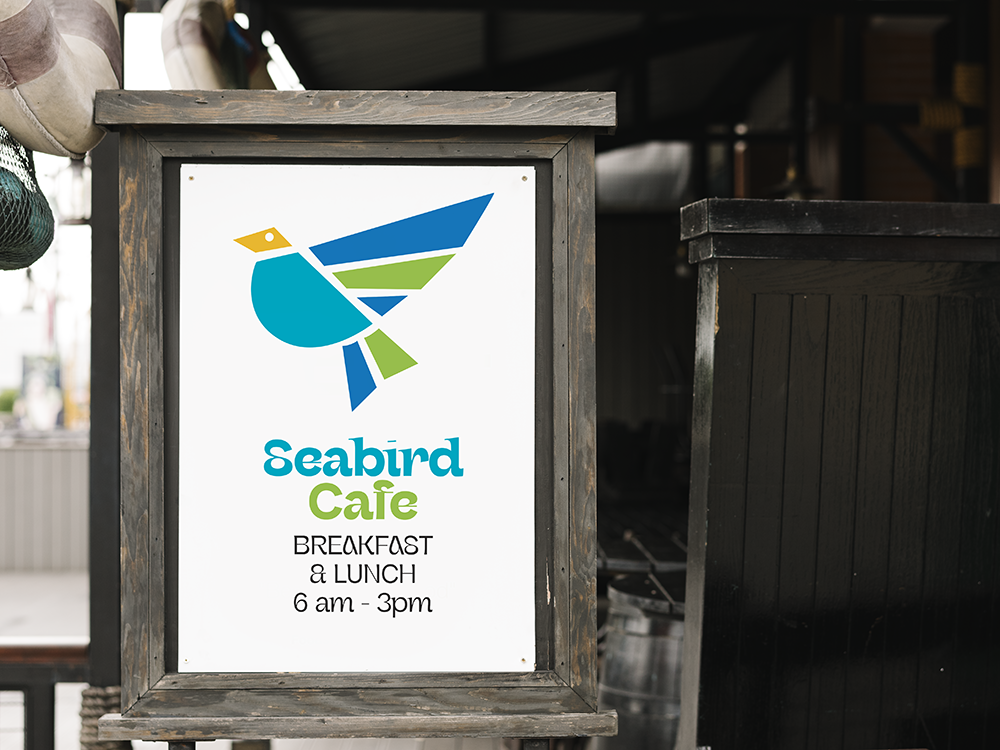
Spanish Point Resort (Montserrat)
Assignment below: Creat new logo and apply it to signage and other items at the resort. Branding graphic design for a resort crafts an immersive visual sanctuary that translates the destination’s unique atmosphere, culture, and luxury into an unforgettable guest experience. It establishes a multi-sensory brand ecosystem where every physical touchpoint—from elegant keycards, custom room amenities, and foil-stamped dining menus to poolside signage, spa packaging, and resort maps—harmonizes under a cohesive aesthetic identity. By pairing evocative color palettes inspired by the surrounding landscape with refined typography, tactile paper finishes, and bespoke pattern work, graphic design captures the essence of relaxation, escape, and exclusivity long before check-in. This seamless visual narrative extends through digital booking platforms and printed guest collateral, reassuring travelers at every interaction and transforming a temporary getaway into an iconic, memorable brand journey.