






Graphic Design Building Blocks 
Graphic Design Building Blocks: Printing CMYK Color

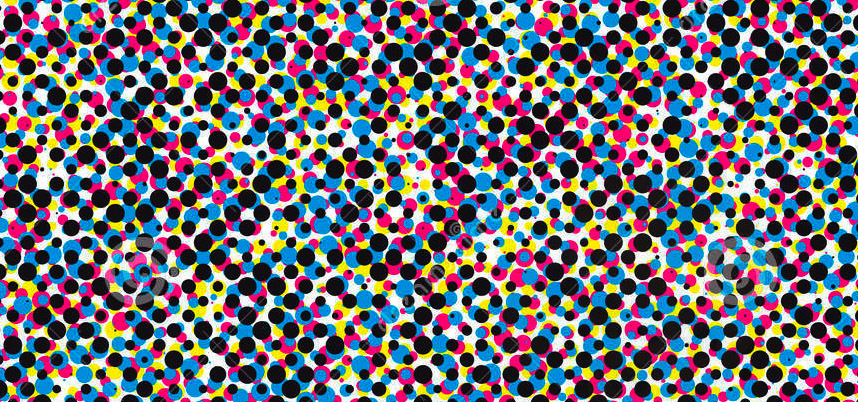
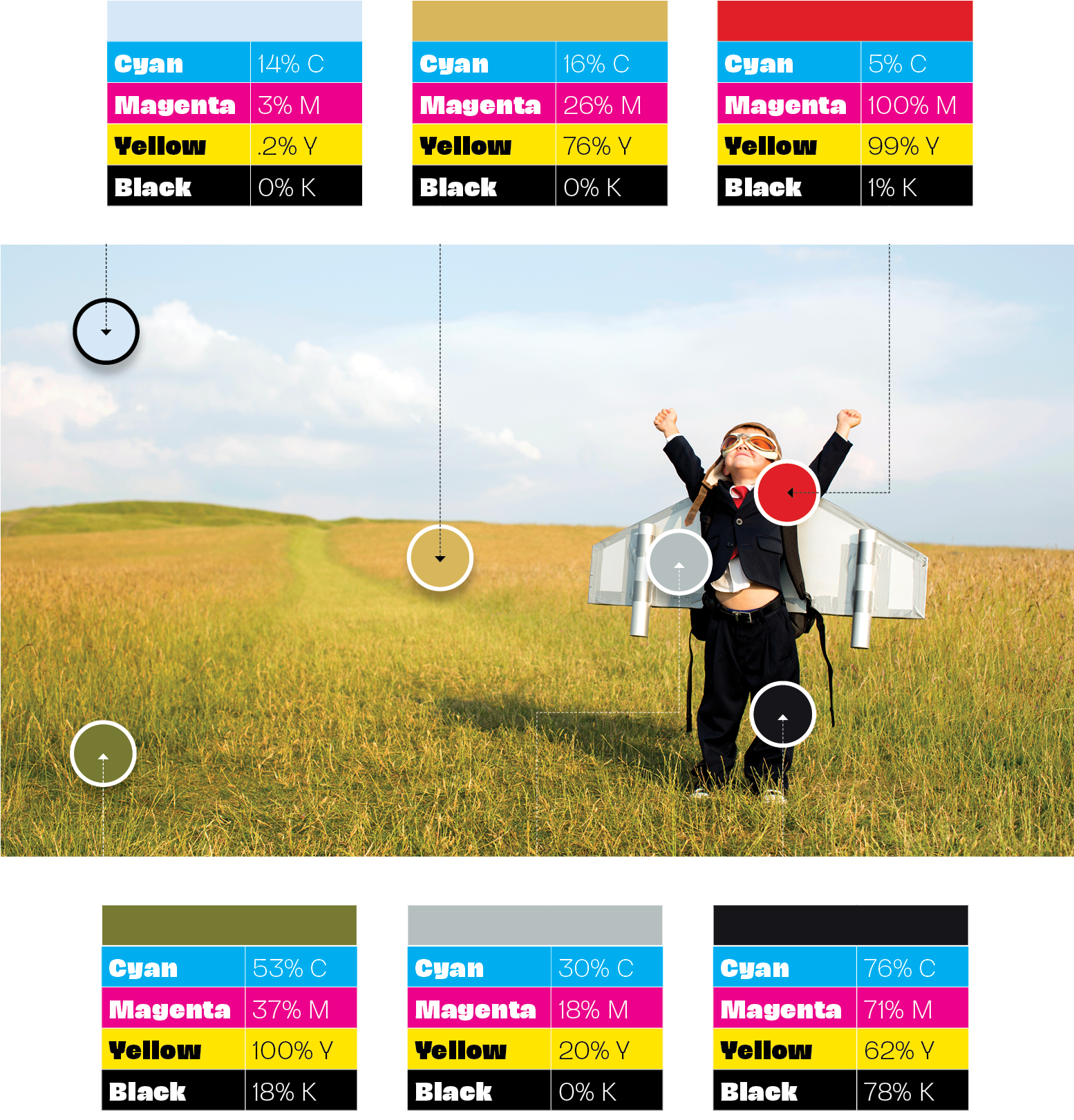

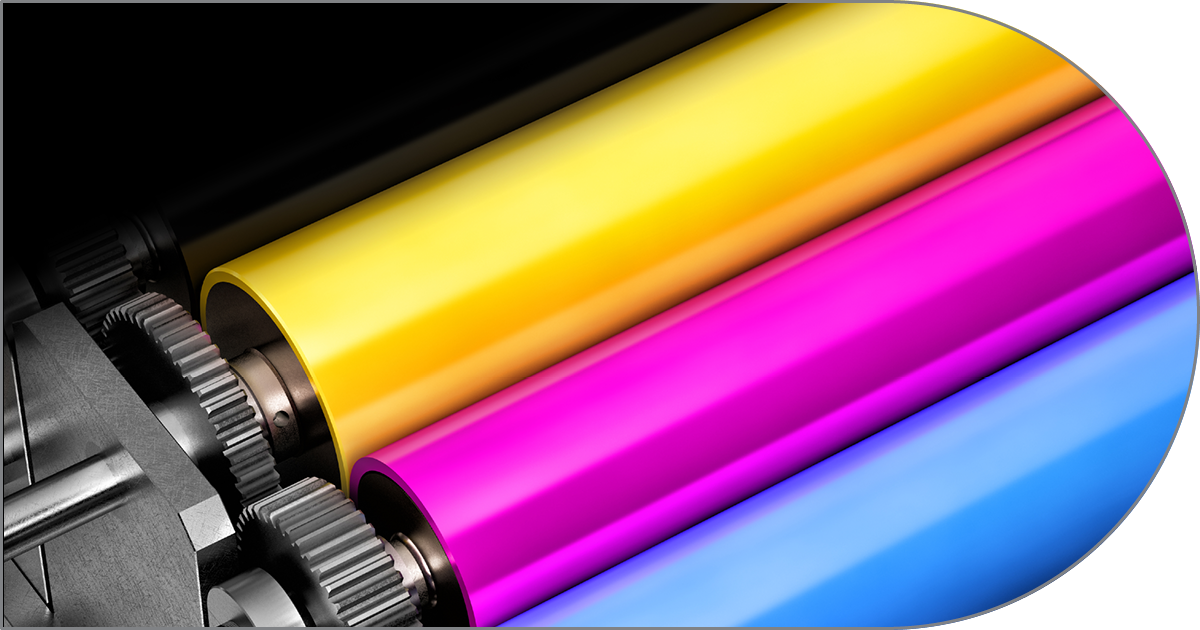
The groundwork for CMYK printing was laid in 1867 by Scottish scientist James Clerk Maxwell, who theorized that a combination of four inks could produce a vast array of colors. While earlier attempts at color printing existed, they were often expensive and impractical. The true birth of CMYK printing came in 1906. The Eagle Printing Ink Company in the United States demonstrated that using cyan, magenta, yellow, and black inks (CMYK) on a white background could achieve a near-unlimited range of colors. This innovative process, utilizing the subtractive color model, laid the foundation for the full-color printing we rely on today.

Learn More About the Building Blocks of Graphic Design


At the heart of graphic design lies creativity, an imaginative problem-solving process that transforms raw ideas into captivating visual concepts by harmonizing color, composition, and metaphor to communicate complex stories, break through digital noise, and inspire action.
Graphic design relies on vector graphics for logos, typography, and illustration because their mathematical, point-and-path construction allows visuals to scale infinitely.
hen using spot colors, printers use premixed custom inks—such as Pantone shades—to ensure exact color accuracy and consistency across different printed materials.
Below: Two images as continuous tone and with halftone dots

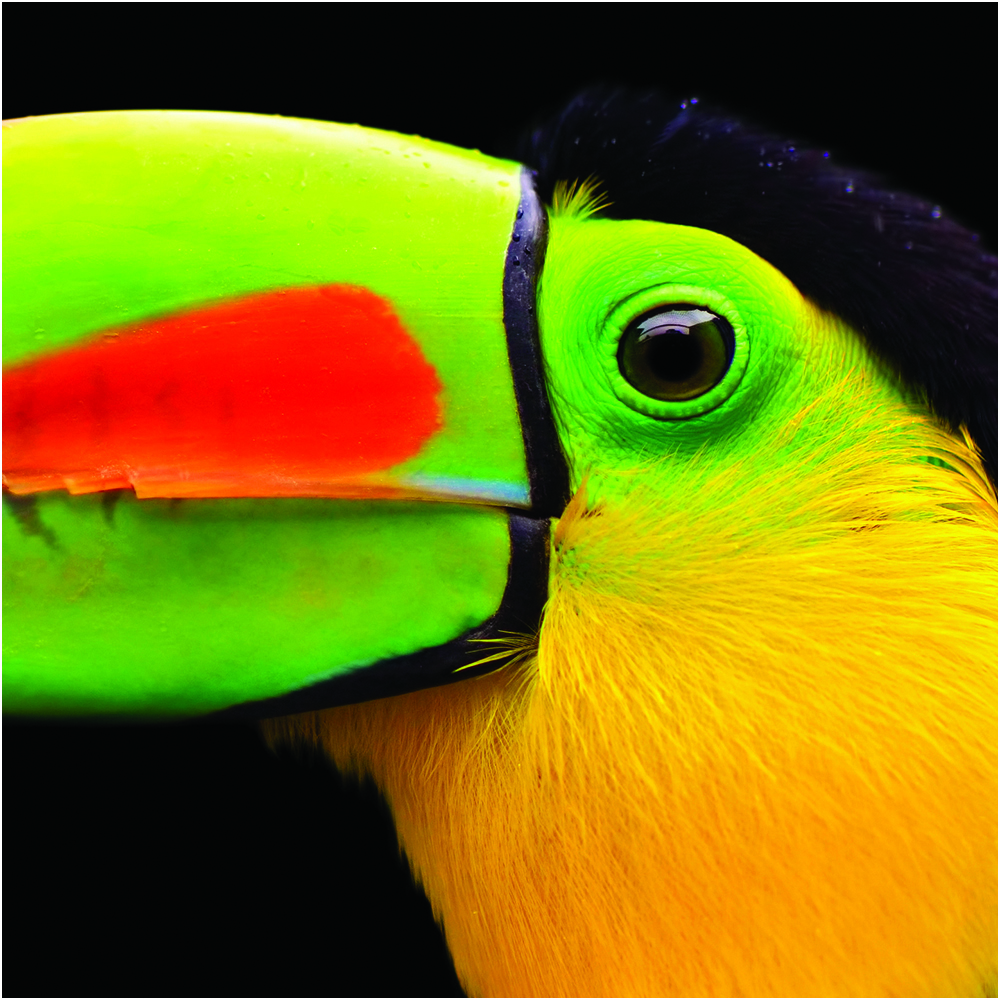

Below: 1. Original photo. 2. Converted to CMYK halftone dots. 3. Original image changed to greyscale. 4. Greyscale image as CMYK halftone.




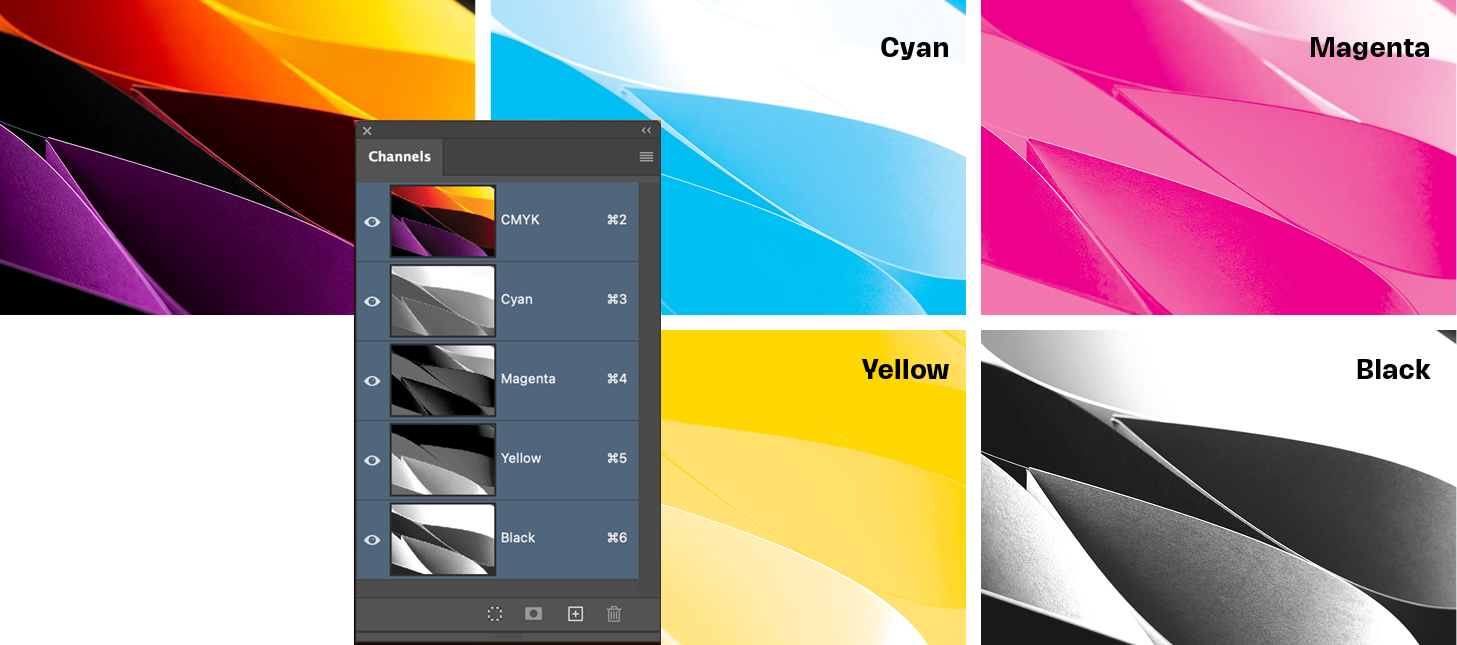
Above left: How a digital image appears in Photoshop by default.
Above center: The channels palette in Photoshop showing the full color CMYK image channel (the top layer), then the individual cyan, magenta, yellow and black (CMYK) channels by selecting any of the CMYK channels, the photographer or graphic designer can adjust that channel if he or she wanted to change the amount of cyan, for instance, in the full color image (there are other ways of doing that—see curves and levels below).
Above right: The four CMYK channels in the way the photographer or designer might picture them.
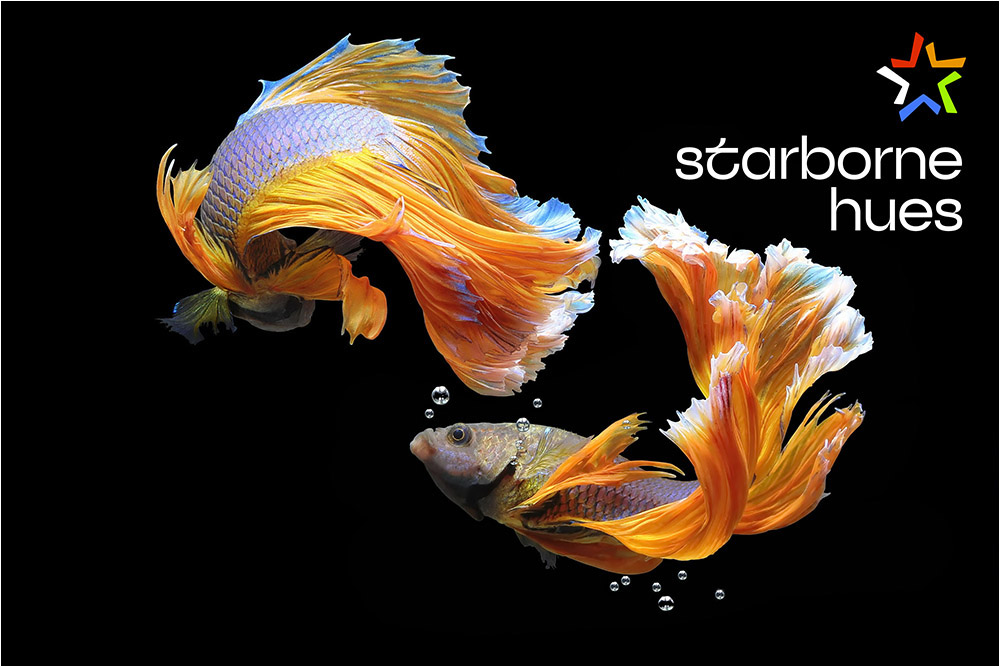



Above: Selected pages from the printed piece for Starborne Color Systems. Just as the cover photograph is composed of cyan, magenta, yellow and black inks, so is the logo and the colored type (see below), However, depending on the designer’s preference and the client’s budget, the bold headlines could also be made of “spot colors” which would be solid colors (no CMYK dots). The sections that follow illustrate this.
Learn More About the Building Blocks of Graphic Design
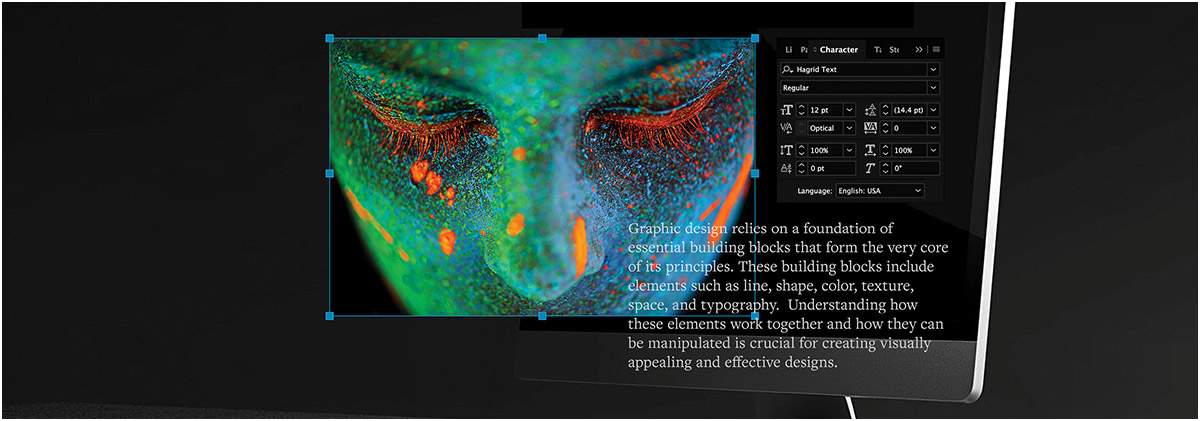
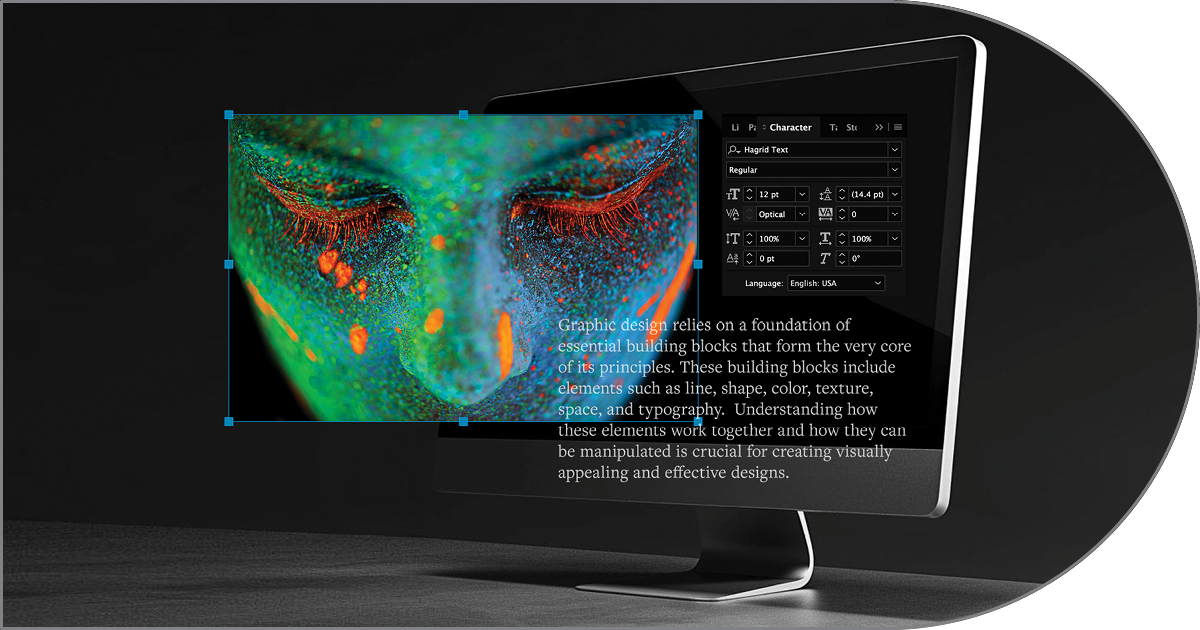
Graphic design establishes the creative vision, typography hierarchy, and visual branding for print and digital media, while Adobe InDesign serves as the industry-standard layout power tool that precision-engineers those elements.
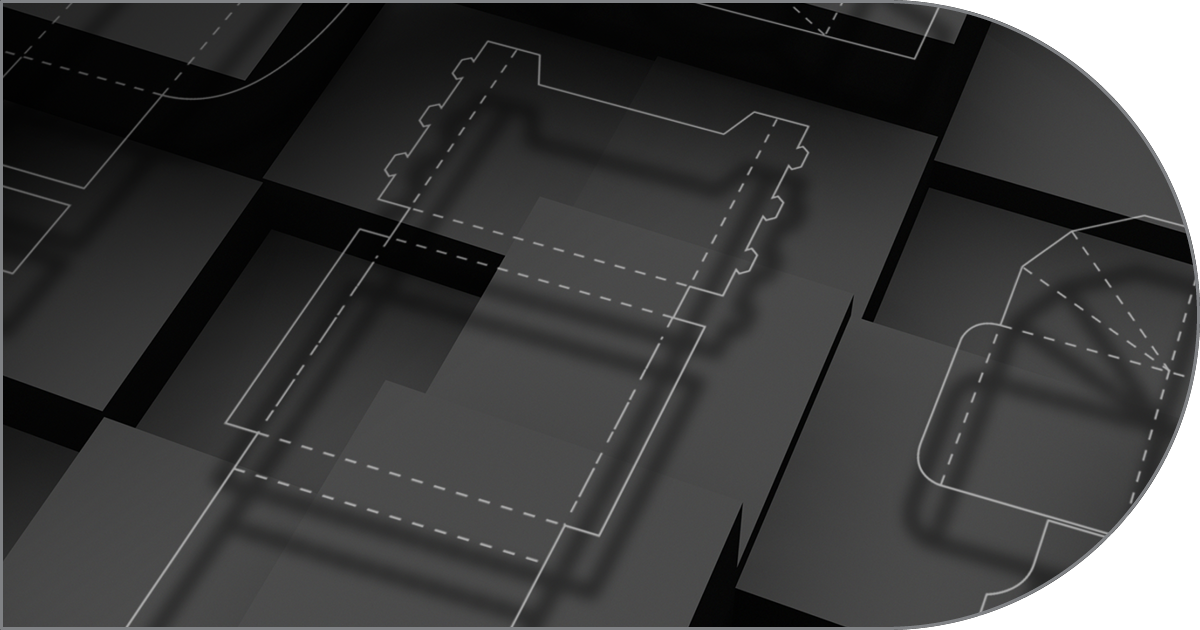
Graphic design transforms functional product packaging into an engaging tactile experience by fusing structural layout, brand typography, and persuasive visual hierarchy to instantly capture attention on crowded retail shelves.
Adobe Photoshop serves as an essential digital canvas for graphic designers, enabling them to manipulate images, blend complex visual layers, and refine intricate raster graphics with extraordinary precision.

Above: The logo used on the cover of the Starborne brochure uses only CMYK inks. The file shows the C, M, Y and K components of each of the five colored shapes. Logos and other vector artwork are generally created in graphics applications such as Adobe Illustrator and are placed in page makeup applications such as Adobe InDesign along with “continuous tone” elements such as the photographs shown.

Above: The logo used on the cover of the Starborne brochure uses only CMYK inks. The file shows the C, M, Y and K components of each of the five colored shapes. Logos and other vector artwork are generally created in graphics applications such as Adobe Illustrator and are placed in page makeup applications such as Adobe Indesign along with “continous tone” elements such as the photographs shown.