





Graphic Design Building Blocks 
Graphic Design Building Blocks: White Space

wojciech zieliński






Learn More About the Building Blocks of Graphic Design

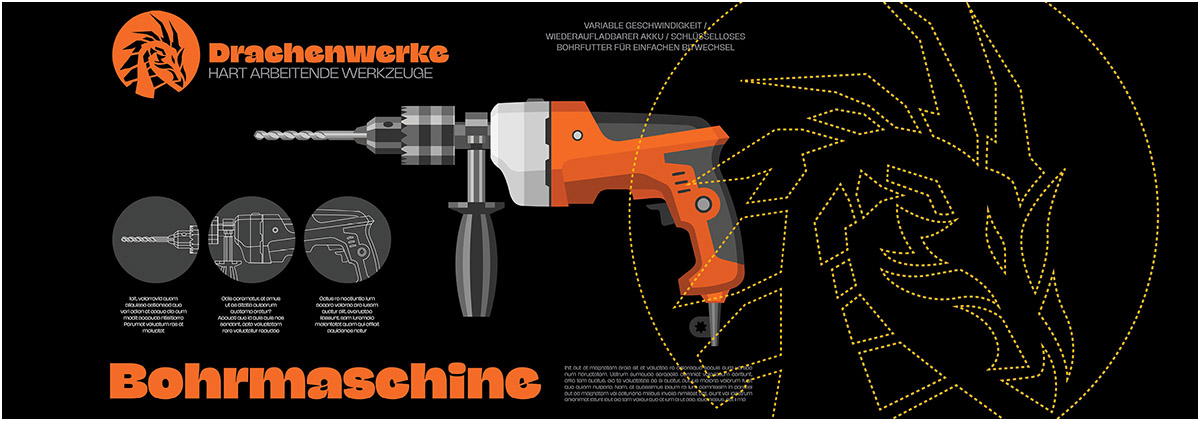

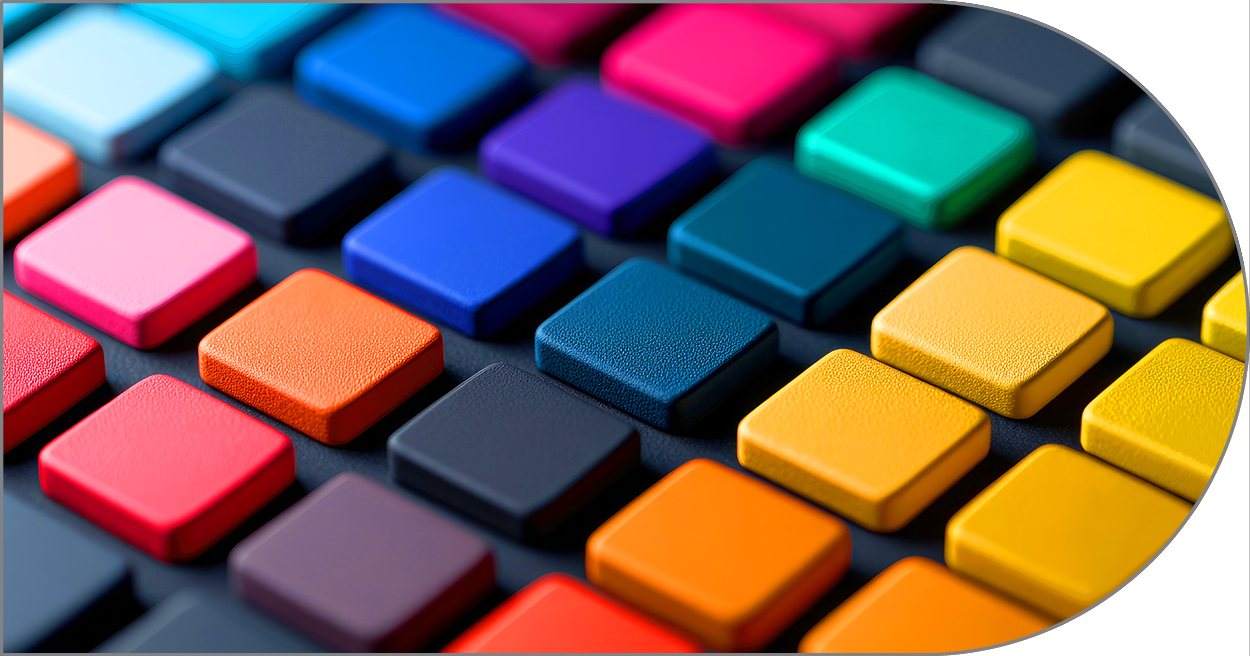
CMYK color printing bridges digital graphic design and tangible print by using overlapping subtractive dots of cyan, magenta, yellow, and black inks to faithfully reproduce complex, full-color imagery on paper.
Graphic design shapes a brand’s visual identity through cohesive color palettes, intentional typography, and memorable logos, translating a company’s core values into a distinct, recognizable personality that builds trust and recognition with its audience.
Bridging physical space and visual communication, wayfinding graphic design relies on intuitive visual cues—ranging from clear signage systems and spatial maps to color-coded pathways—to guide people effortlessly through complex environments.
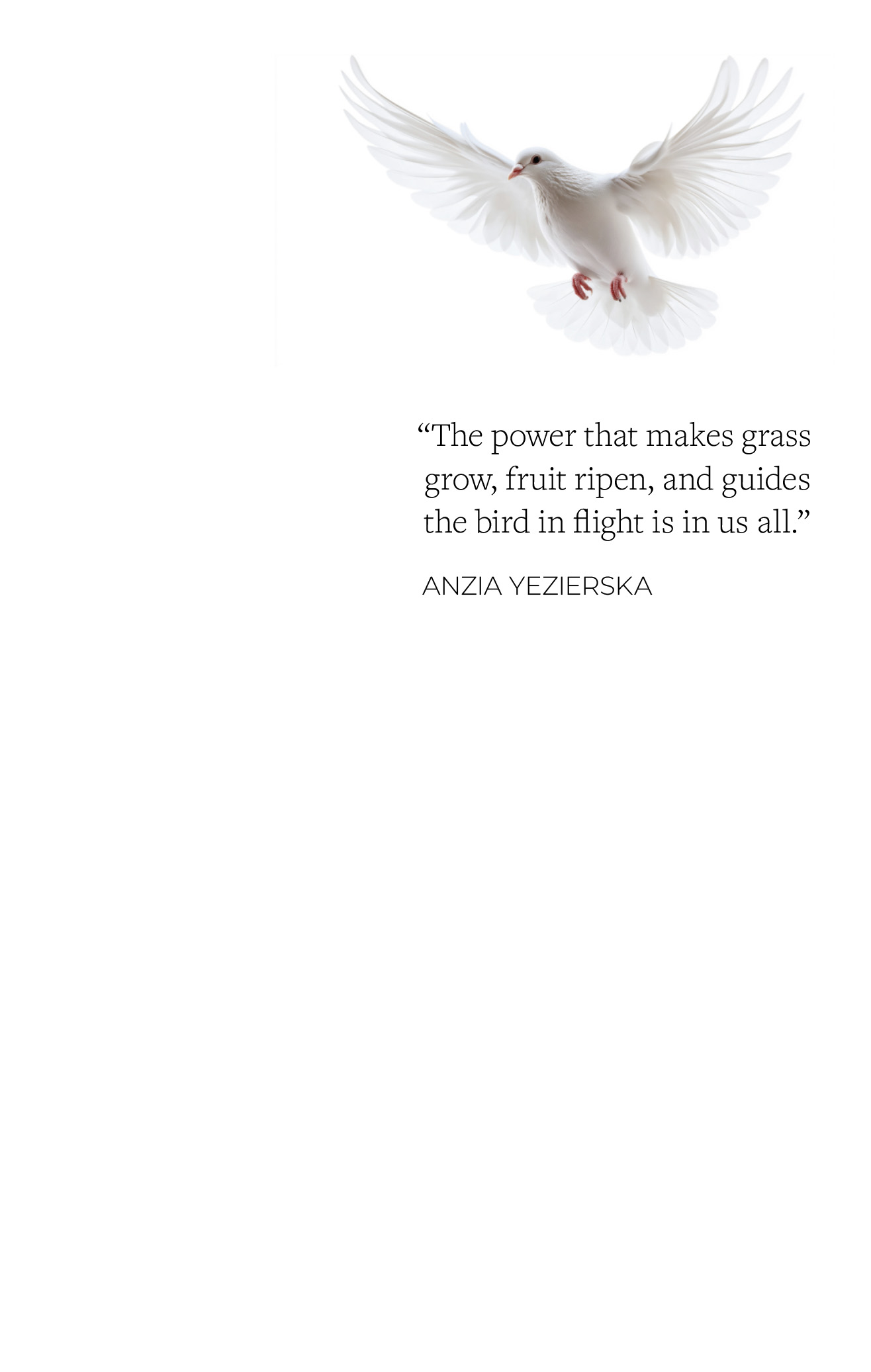
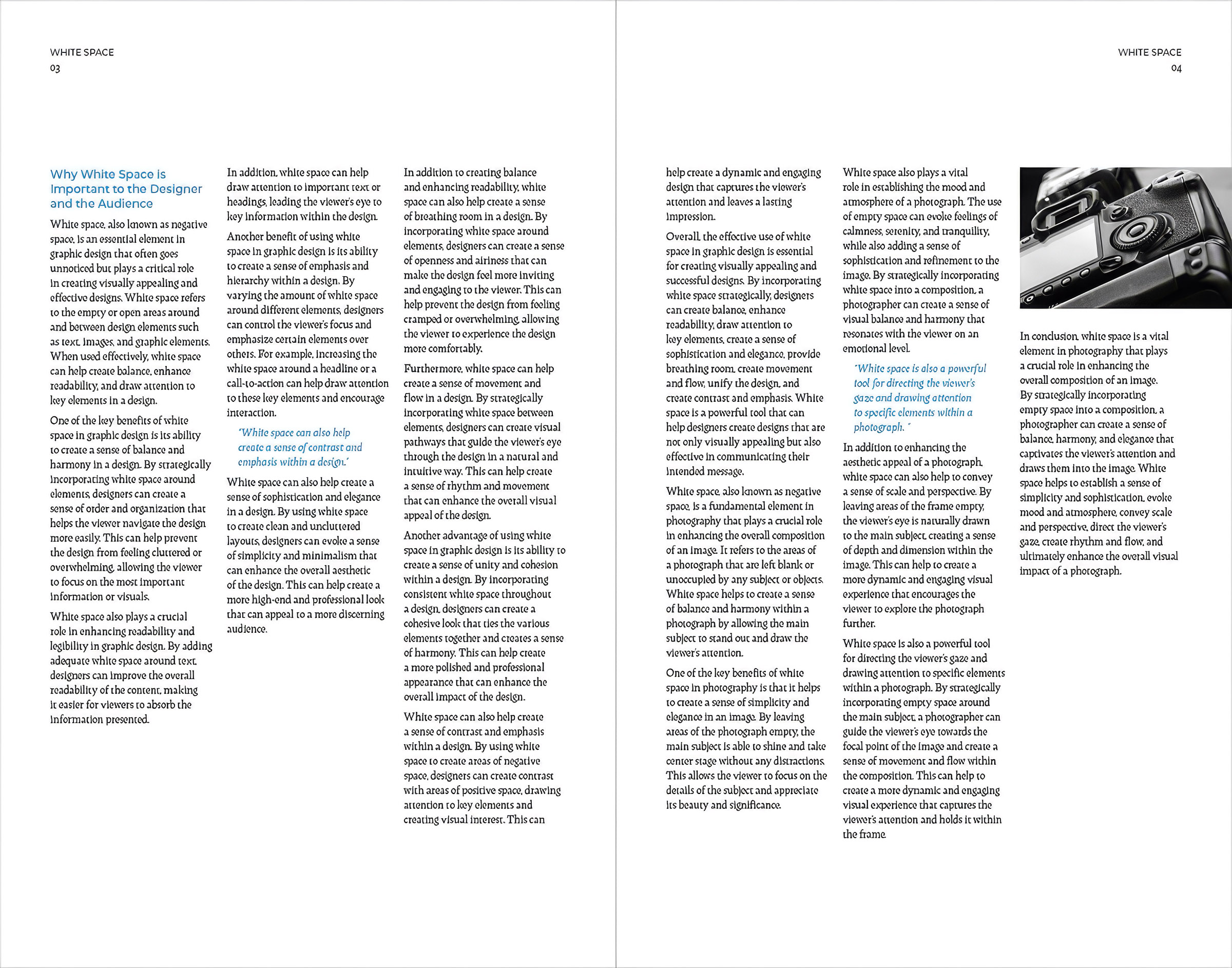
White space, often overlooked, is a cornerstone of effective graphic design. It’s the unsung hero that provides clarity, balance, and visual hierarchy to a design. By strategically utilizing empty space, designers can guide the viewer’s eye, emphasizing key elements and creating a sense of order. White space enhances readability by separating text and images, preventing overwhelming clutter. It also contributes to a design’s overall aesthetic, evoking feelings of simplicity, sophistication, and modernity.
Beyond its functional role, white space is a powerful tool for storytelling.
1) It can create tension, evoke emotion, or simply allow complex ideas to breathe.
2) By understanding the nuances of white space and its impact on perception, designers can craft visually compelling and impactful work.
3) It’s not merely about emptiness; it’s a deliberate choice that shapes the entire design experience.
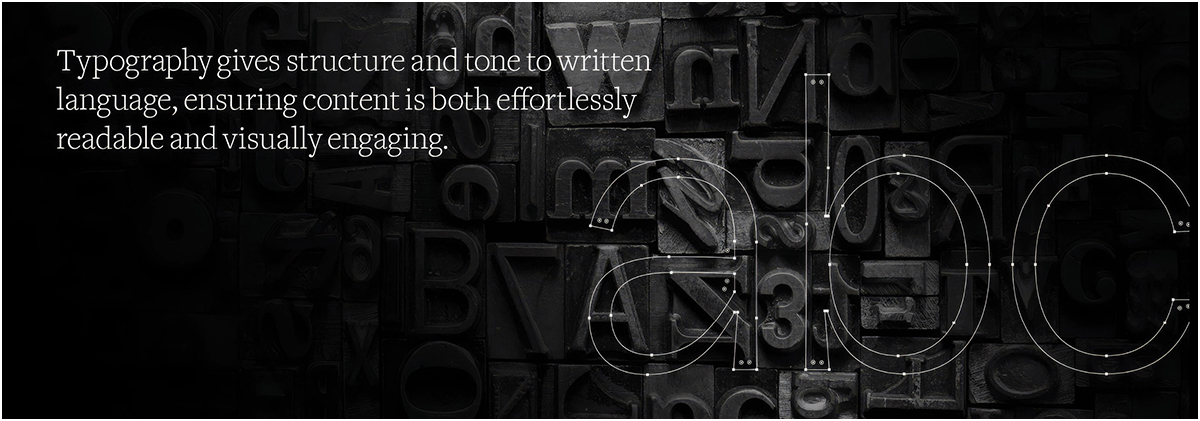

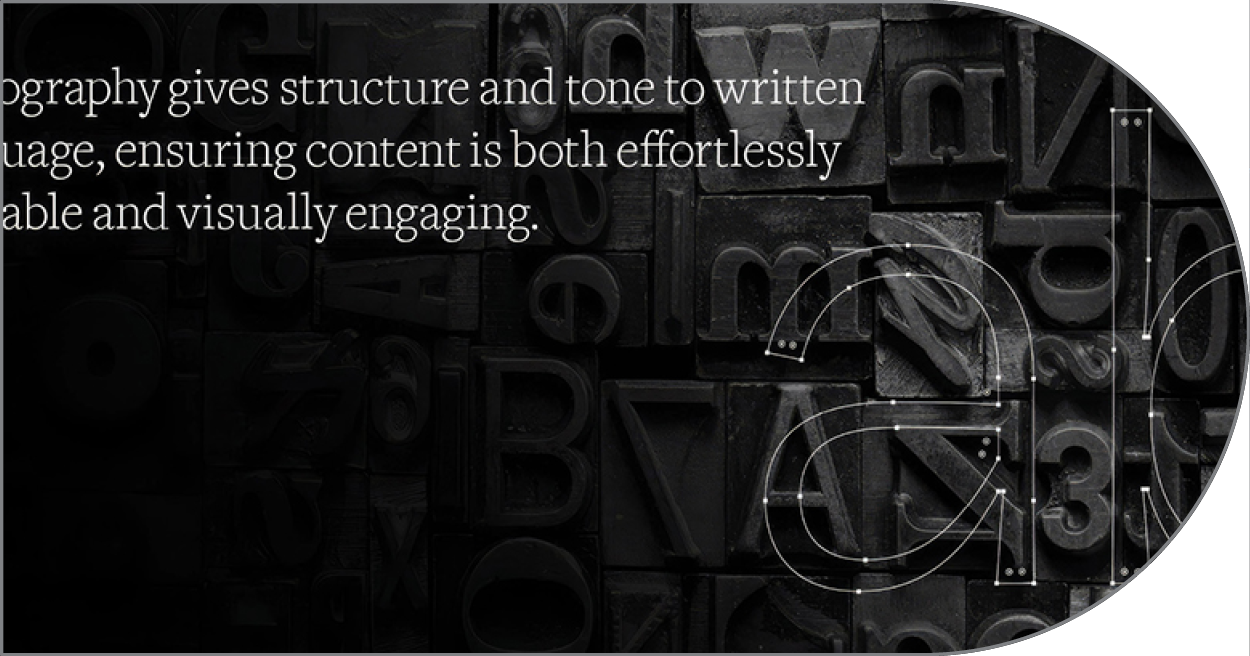
As the strategic backbone of graphic design, typography seamlessly weaves structural hierarchy, psychological tone, and expressive visual form into written text, empowering designers to deliver clear, legible information.
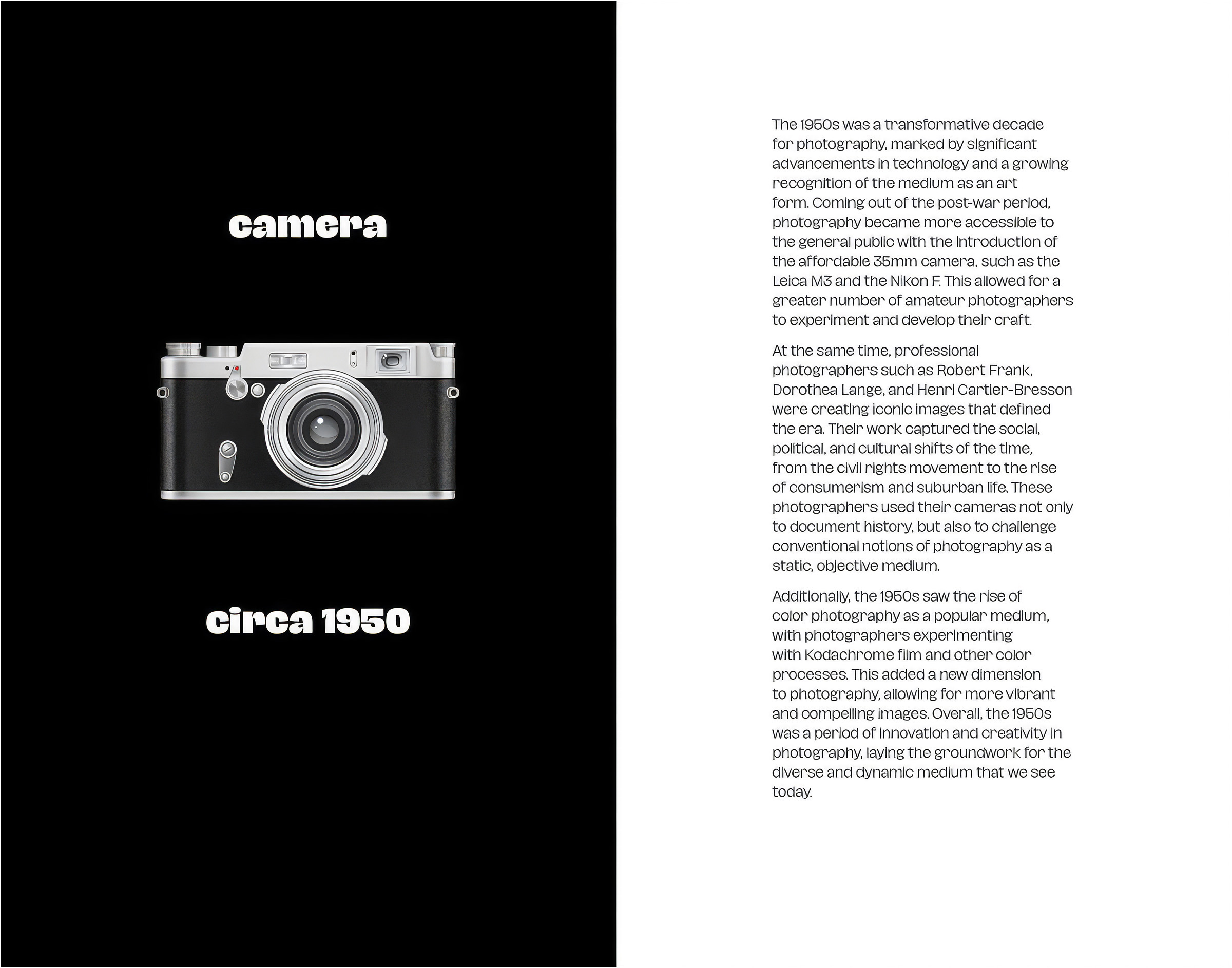
Graphic design provides the structured framework of layout, typography, and color strategy, while photography feeds that structure with compelling real-world imagery, together forming a seamless visual medium.
Serving as the structural foundation and visual skin of the digital web, HTML and CSS transform raw digital information into dynamic, accessible layouts by pairing clean document architecture with precise stylistic control over layout, color, responsiveness, and interaction design.
White space, often called negative space, is not merely empty area on a canvas; it is an active structural element that shapes how visual information is perceived. In graphic design, white space refers to any unmarked zone around or between composition elements—including margins, gutters, line spacing, and the clear area surrounding images or typography. Far from being “wasted” space, deliberate negative space provides breathability, preventing designs from cluttering and overwhelming the viewer’s visual processing capacity.

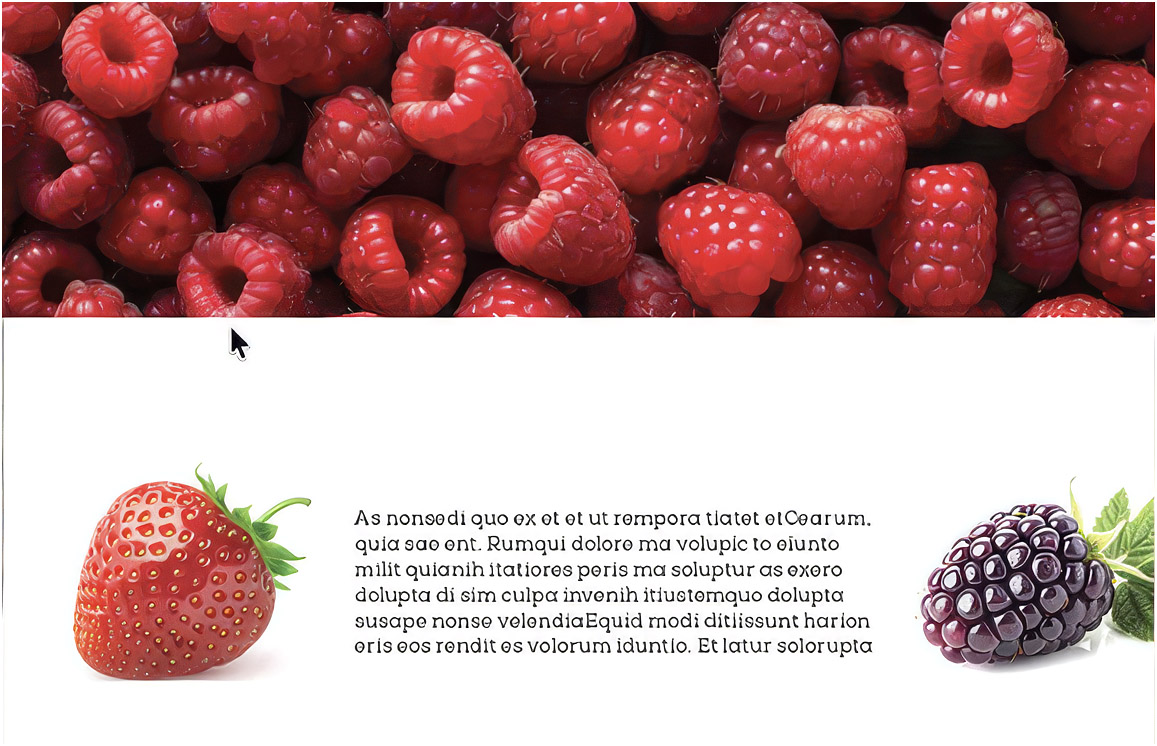

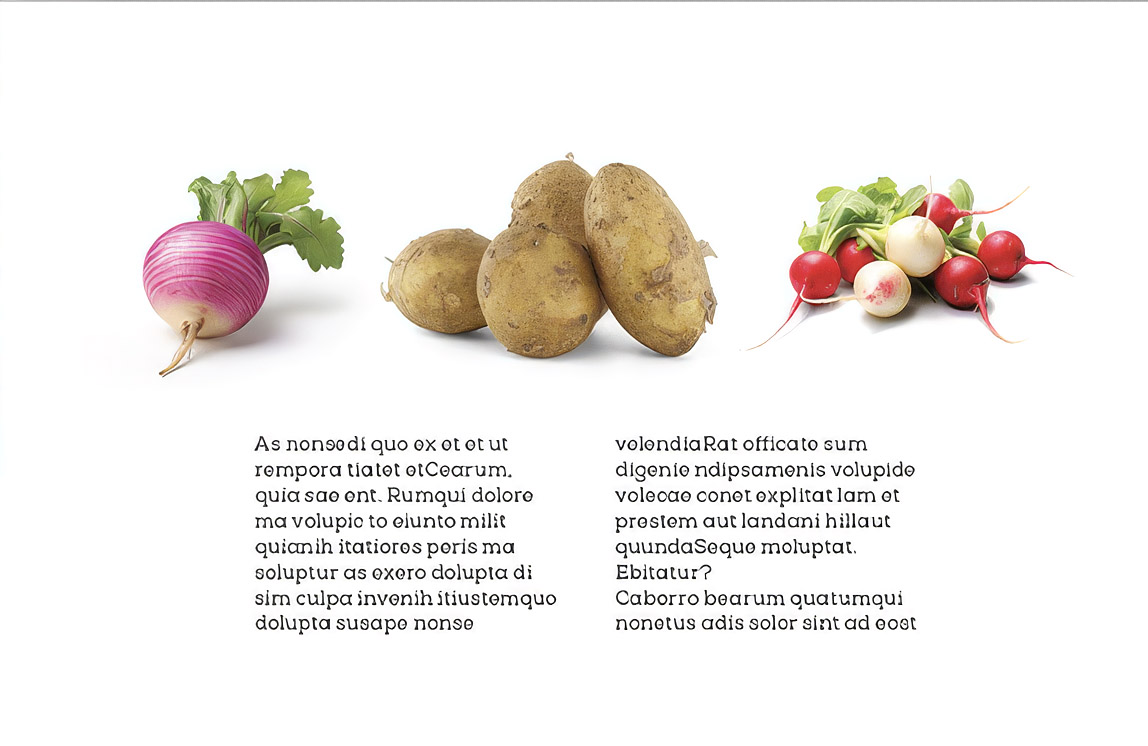


The primary functional benefit of white space is the dramatic improvement of legibility and readability. When typefaces are given adequate leading (line spacing), tracking (letter spacing), and surrounding margins, the human eye can track text effortlessly without losing its place or experiencing fatigue. Generous white space around key focal points—such as titles, call-to-action buttons, or logos—creates strong visual hierarchy by signaling to the audience which information requires immediate attention and guiding their path through the layout.

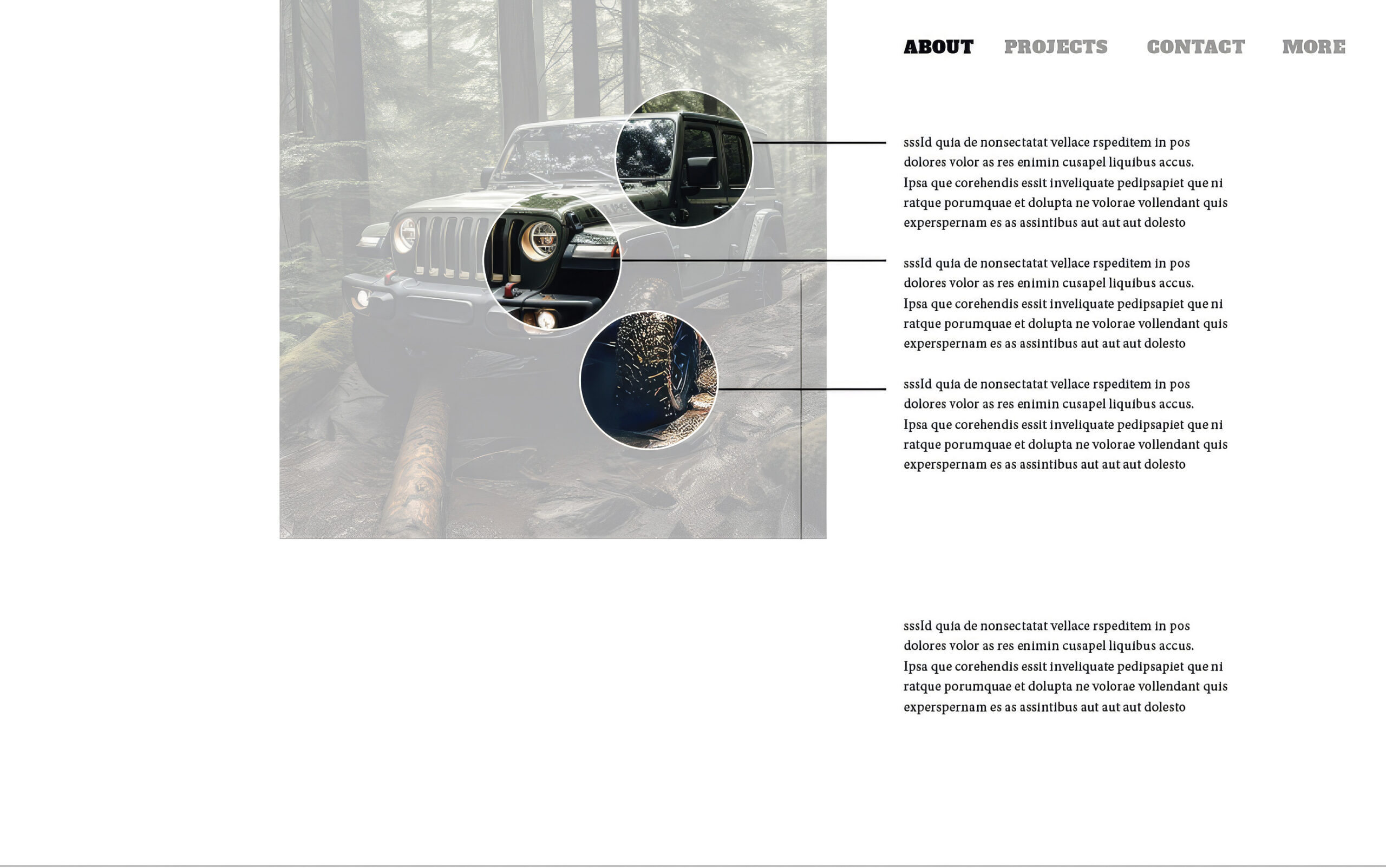
Finally, the intentional use of white space communicates sophistication, elegance, and brand authority. High-end luxury brands, minimalist editorial layouts, and premium digital interfaces frequently leverage vast fields of negative space to convey quality, confidence, and restraint. By resisting the urge to fill every square inch of the canvas, a design asserts that its content is valuable enough to stand on its own, yielding a refined aesthetic that commands focus and retains long-term visual appeal.